A Mom Says a Bus Driver Shut Her Out Over Her Service Dog While Her 4-Year-Old Was Still Inside, and the Transit Agency’s Own Rules Say a Muzzle Was Never Required

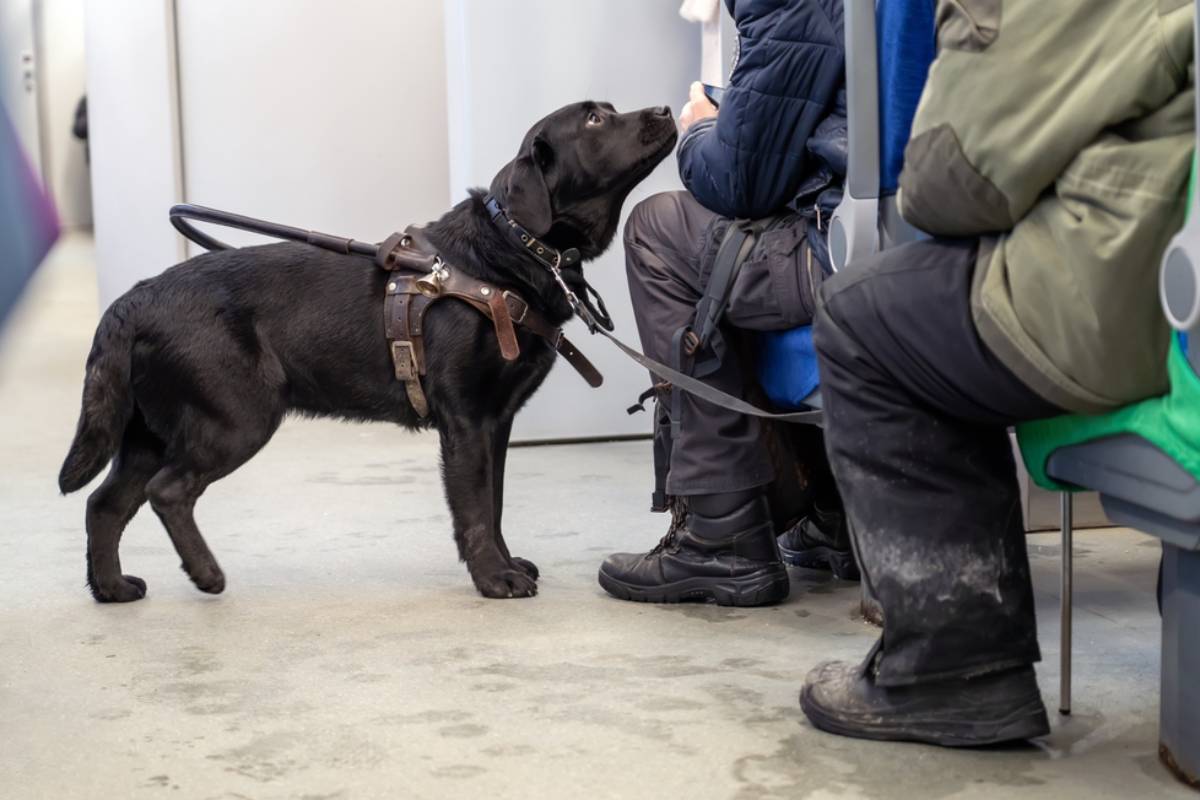
Auckland mother Brie Crosweller says an ordinary evening bus trip became a frightening experience on October 7, 2026, when she tried to board with her mobility dog, Lenny, and her four-year-old daughter was already inside. In the original CafeMom report, Crosweller alleged that the driver shut the doors after noticing her dog, leaving her and Lenny outside the vehicle. The incident raised questions about how public transportation staff handle passengers who depend on certified assistance animals.
Crosweller described the encounter in a Facebook video shared on October 8. According to her account, the incident happened at approximately 6:30 p.m. local time, when the family was trying to board a bus in Auckland. What followed involved a dispute over a muzzle, an attempt by another passenger to intervene, and a young child who became distressed after being separated from her mother.
Her Daughter Had Already Boarded the Bus
Crosweller said her daughter stepped onto the bus as soon as the doors opened. She explained that the girl routinely boarded quickly when a bus arrived, which meant she entered before her mother could follow. Crosweller remained outside with Lenny, expecting to board immediately afterward.
The situation became more complicated when the mother attempted to join her daughter. Instead of entering the vehicle with the child, Crosweller said she found herself standing outside with her mobility dog as the doors closed. The separation turned a routine journey into a stressful situation for the family.
Crosweller Said the Driver Refused to Let Them Board
According to Crosweller, the driver looked toward her and Lenny before closing the doors. She alleged that the driver initially refused to engage with her, leaving her unable to board alongside her daughter. The child remained inside the bus while her mother and the dog were left at the stop.
Crosweller maintained that Lenny was a fully certified mobility dog trained to assist her. She said the driver would not allow the dog aboard without a muzzle, despite her understanding that certified assistance dogs were permitted on Auckland’s public transportation network. The reporting available does not include the driver’s own account of the exchange, so the specific interaction remains based primarily on Crosweller’s description.
One Passenger Tried to Help the Family
Crosweller said another passenger intervened after noticing the disagreement. According to her account, the passenger knocked on the bus door to attract the driver’s attention and attempted to show him Auckland Transport’s guidance concerning disability-assist dogs. The passenger’s intervention brought the agency’s published rules directly into the dispute.
The assistance was important to Crosweller because she felt that few people around her were willing to help. She described the passenger as the only person who spoke up for her during the encounter. Even with someone intervening, however, the disagreement over Lenny’s access to the bus was not resolved in the way she had hoped.
The Argument Focused on Whether Lenny Needed a Muzzle
Crosweller said the driver repeatedly insisted that Lenny needed to wear a muzzle before being allowed aboard. That demand became the central point of contention, as she maintained that Lenny was a trained mobility dog rather than an ordinary pet. The distinction matters because assistance animals have different access rights from household pets under New Zealand’s rules.
Auckland Transport’s published guidance specifically addresses this issue. Disability-assist dogs are permitted on the agency’s public transportation network without muzzles, meaning the requirement Crosweller described did not match the policy for qualifying assistance dogs. The disagreement therefore involved more than a misunderstanding between two people: it concerned how rules designed to accommodate passengers with disabilities were being applied.
The Driver Eventually Let the Child Off
Crosweller said the driver eventually opened the doors and allowed her daughter to get off the bus. The child was then able to leave the vehicle and return to her mother, ending the immediate separation. According to the account, however, the driver continued with the journey rather than allowing the mother and Lenny to board.
The family was left to make other arrangements for their trip. The incident also meant that the daughter had experienced a period in which she was aboard public transportation without her mother beside her. Although the child was eventually reunited with Crosweller, the experience did not end with the doors opening.
The Experience Left Her Daughter Afraid of Another Bus
Crosweller said both she and her daughter became upset during the incident. She described them crying as the confrontation unfolded, explaining that the experience had been distressing for the family. Her account emphasized not only the initial refusal but also the effect it had on her young child.
The mother also said her daughter became reluctant to board another bus afterward. According to Crosweller, the girl worried that she might again find herself inside a vehicle while her mother remained outside. That fear made continuing their journey more difficult and demonstrated how a brief transportation dispute could affect a child’s willingness to travel again.
Crosweller Spoke Out About What Happened
After the encounter, Crosweller shared her experience publicly and criticized the way she said she had been treated. She described feeling humiliated and disappointed that only one passenger intervened. Her message focused on the difficulties people can face when others fail to recognize their rights or offer help during a tense situation.
Crosweller also encouraged people to speak up when they witness someone being treated unfairly. She argued that intervention can matter even when it does not immediately change the outcome. By sharing the incident, she drew attention to the importance of understanding assistance-animal access rules and supporting passengers who rely on them.
Auckland Transport Apologized for the Incident
Auckland Transport responded to the complaint, according to PEOPLE’s report on the incident. A spokesperson apologized to Crosweller and acknowledged that the encounter would have been upsetting for her and her daughter. The agency also said it had been in contact with her following the incident.
The spokesperson described the driver’s reported conduct as unacceptable and said Auckland Transport was working with the bus operator to address what happened. The agency confirmed that it was treating the matter as a priority. Its response made clear that the reported refusal was inconsistent with its stated policy on disability-assist dogs.
The Agency’s Published Rules Do Not Require Muzzles
Auckland Transport’s official guidance on taking disability-assist dogs on public transport states that these dogs can travel on the network at all times without a muzzle. The rules apply across buses, trains, and ferries. The guidance also explains that disability-assist dogs and their handlers can access priority seating areas on the network.
The same page explains that these dogs are trained, or in training, to help people with disabilities. They may be identified by a jacket or harness, and handlers may have identification from their certifying organization. These provisions help transportation staff recognize qualifying assistance dogs and understand that their access rights differ from those of ordinary pets.
Assistance Dogs Have Different Rules From Household Pets
The reason behind the muzzle dispute becomes clearer when Auckland Transport’s separate rules for animals are considered. Under its general guidance for taking animals on public transport, larger pet dogs traveling on buses and trains must generally wear a cage-style muzzle and lead or travel in an approved carrier. Those requirements do not apply in the same way to recognized disability-assist dogs.
The distinction is important because an assistance dog is not simply a pet accompanying its owner. A qualifying dog is trained to perform tasks that help a person with a disability manage daily life and participate more independently. Applying ordinary pet requirements to a certified assistance animal can therefore interfere with the access its handler is entitled to receive.
New Zealand’s Legal Framework Recognizes Assistance Dogs
New Zealand uses the legal term disability-assist dog for animals that meet the applicable certification requirements. The government’s guidance on disability-assist dogs explains that these dogs are individually trained to perform tasks supporting people with disabilities. They must be certified, or in training, through an authorized organization under the Dog Control Act 1996.
The government also states that qualifying assistance dogs have legal access rights to public places, including buses, trains, and other public transportation. The guidance specifies that these dogs do not need to wear muzzles. It further warns that refusing access because a person relies on a disability-assist dog may constitute unlawful discrimination under the Human Rights Act 1993, although determining the legal outcome of a particular incident requires consideration of the relevant facts.
Driver Training Was Part of Auckland Transport’s Response
Auckland Transport’s response also addressed the training its drivers receive. The spokesperson told PEOPLE that drivers are taught about disability-assist dogs during their induction. The agency said it was working with operators to strengthen refresher training to help prevent similar incidents.
That commitment is significant because the official rules already distinguish assistance dogs from ordinary pets. Drivers need to understand which requirements apply to each type of animal, how qualifying dogs can be recognized, and how to handle questions about access appropriately. Refresher training is one measure the agency identified as part of its response, although the reports reviewed do not establish what additional steps were ultimately implemented.
The Agency Has a Process for Reporting Access Problems
Auckland Transport’s guidance also provides a way for passengers to report situations in which they and their disability-assist dogs are refused service. The agency asks customers to share information such as the date, time, service number, and location of the incident. It says that reports involving refused access for disability-assist dogs and their handlers are taken seriously and followed up.
New Zealand government guidance also explains that a person denied access because they rely on a qualifying assistance dog can make a complaint to the Human Rights Commission. The availability of these processes does not itself determine the outcome of Crosweller’s complaint, but it shows that the rules are supported by mechanisms for raising concerns. In this case, Auckland Transport’s public response confirmed that the agency was already communicating with Crosweller and the bus operator.
Questions Remain About the Driver’s Conduct
The available reporting documents Crosweller’s allegations, her description of the effect on her daughter, and Auckland Transport’s apology. The agency said it was treating the incident as a priority and working with the bus operator, but the reports reviewed do not provide a final investigative finding or a confirmed disciplinary outcome. The driver’s own explanation also has not been included in the published accounts examined here.
What is clear is that Auckland Transport’s published policy permits qualifying disability-assist dogs to travel without muzzles. Crosweller said she and her daughter experienced distress after she was prevented from boarding with Lenny, while the agency acknowledged that the reported treatment was unacceptable. The incident has highlighted why public-facing staff need to understand assistance-animal rules and why passengers who rely on these animals must be able to access public transportation in accordance with the applicable guidance.