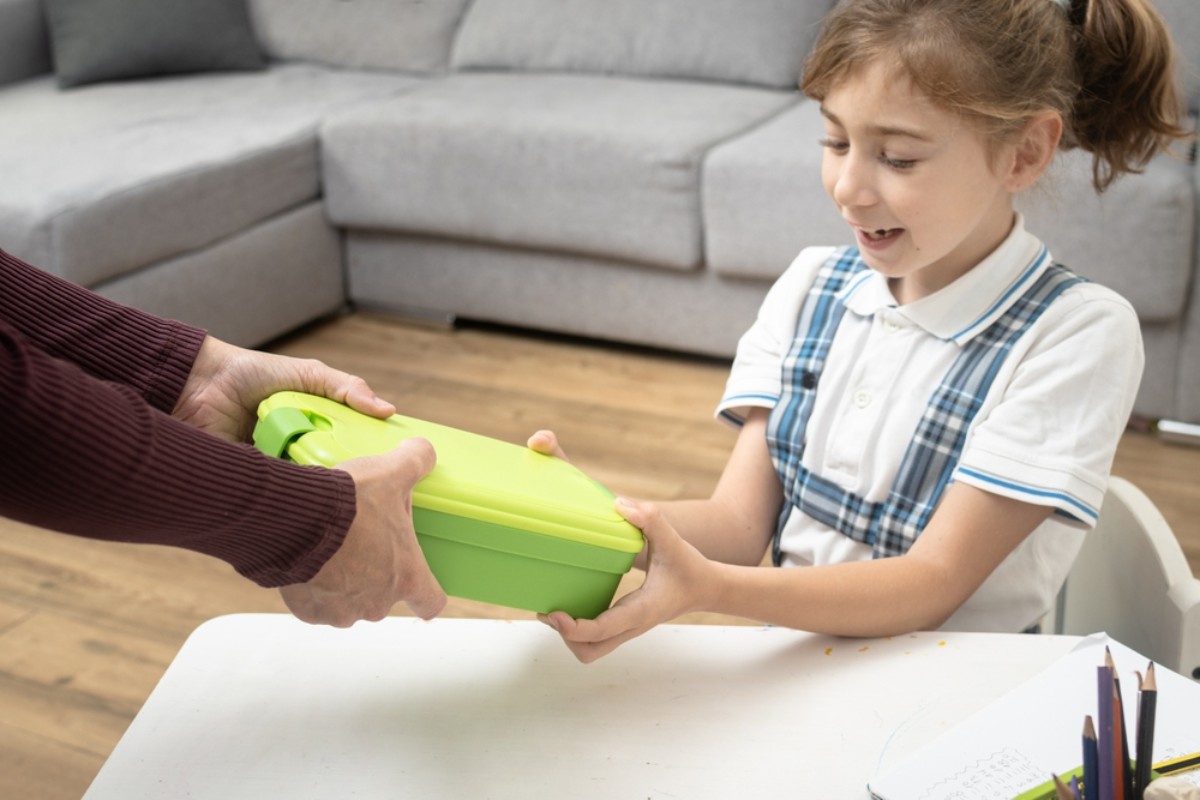
Are You Meant to Wash Kids’ Lunchboxes Every Day? Yes or No?

Maintaining cleanliness in your child’s lunchbox is an important aspect of their health and well-being. Many parents find themselves wondering how often they should wash these containers, especially with concerns about food safety and hygiene. While the answer may vary depending on individual circumstances, experts generally recommend washing lunchboxes daily. This practice helps prevent the growth of bacteria and ensures that your child’s food stays safe to eat.
The Importance of Daily Cleaning
Lunchboxes can harbor bacteria from leftover food, spills, and crumbs. When food is left in a lunchbox for an extended period, it can create an environment where germs thrive. According to health professionals, cleaning lunchboxes daily is a simple yet effective way to minimize the risk of foodborne illnesses. This is particularly crucial for young children, whose immune systems may not be as robust as those of older kids or adults.
By washing lunchboxes every day, parents can ensure that any potential contaminants are removed. This includes not only the visible mess but also any microscopic bacteria that could pose a risk to your child’s health. Regular cleaning can also help prolong the life of the lunchbox itself, keeping it in good condition for years to come.
Best Practices for Cleaning Lunchboxes
When it comes to washing lunchboxes, there are a few best practices to keep in mind. First, it’s essential to check the manufacturer’s instructions, as some lunchboxes may be dishwasher safe while others require hand washing. For those that can be washed in the dishwasher, placing them on the top rack can help prevent damage.
For lunchboxes that need to be cleaned by hand, use warm, soapy water and a sponge or cloth to scrub all surfaces, including any compartments or pockets. Pay special attention to areas that may trap food particles. Rinsing thoroughly with clean water is crucial to remove any soap residue. After washing, allow the lunchbox to air dry completely before packing it again. This helps prevent moisture buildup, which can lead to mold and unpleasant odors.
Additionally, consider using a disinfectant wipe or spray on the lunchbox’s interior surfaces occasionally for an extra layer of cleanliness. This can be particularly beneficial if your child has brought home food that may have spilled or if they have been sick recently.
Encouraging Kids to Help
Getting children involved in the cleaning process can make it a fun and educational experience. Teach them the importance of hygiene and how to properly clean their lunchboxes. This not only fosters responsibility but also instills healthy habits that they can carry into adulthood. You might turn it into a game or a routine, making it a part of their after-school activities.
Encouraging your child to help can also reduce the burden on parents, making the task feel less overwhelming. Plus, it provides an opportunity for parents to bond with their children while discussing food safety and cleanliness.
By involving kids in the process, you can help them understand why it’s essential to keep their lunchboxes clean, reinforcing the idea that cleanliness is a crucial part of their daily routine.
Alternatives and Considerations
If washing lunchboxes daily feels like too much, consider some alternatives. For example, using disposable or compostable lunch containers can minimize the need for frequent washing. However, this approach may not be as environmentally friendly and could lead to increased waste.
Another option is to pack foods that are less likely to create messes, such as whole fruits or pre-packaged snacks. This can help reduce the buildup of crumbs and spills, making the cleaning process easier. However, it’s still important to clean the lunchbox regularly to maintain hygiene.
Ultimately, the decision on how often to wash lunchboxes may depend on your family’s lifestyle and preferences. However, keeping cleanliness in mind is essential for ensuring your child’s health and safety. By adopting a routine that works for you and your child, you can create a healthy environment for their meals.