

Essential Home Safety Tips for Families: Easy Ways to Keep Everyone Secure

Creating a safe home environment is essential for families. By following key safety tips, you can greatly reduce the risk of accidents and ensure a secure living space for everyone. It’s important to take proactive steps to protect your loved ones, especially when children are involved.
From simple measures like installing smoke detectors to more involved strategies such as creating a family emergency plan, there are many ways you can enhance home safety. Taking time to evaluate your surroundings and make necessary adjustments can lead to a more secure and comfortable home for you and your family.
Install Smoke and Carbon Monoxide Detectors
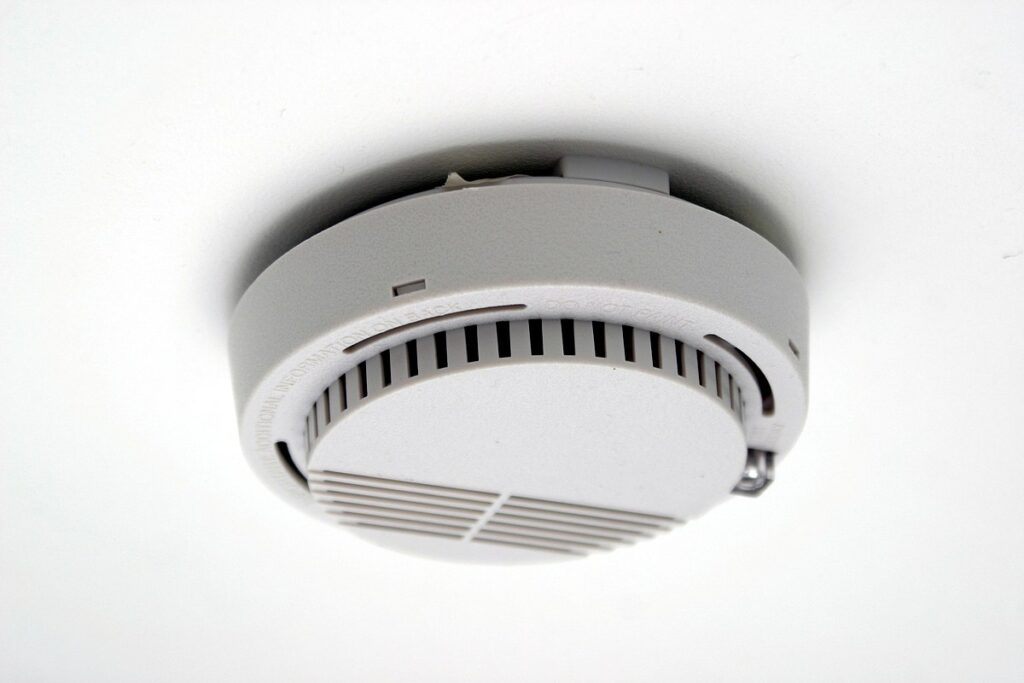
Installing smoke and carbon monoxide detectors is crucial for your home safety. Make sure you have at least one smoke detector on every floor, including the attic and basement.
Place carbon monoxide detectors near sleeping areas and at each level of your home. It’s a good idea to keep them at least 10 feet away from cooking appliances to avoid false alarms.
Test the batteries monthly to ensure they’re working properly. Regular maintenance can help keep your family safe from potential dangers.
Maintain Sturdy and Secure Fencing in the Yard

A solid fence is key to keeping your yard safe. Check for any loose screws, nails, or signs of rot regularly.
Choose fencing materials that offer durability, like vinyl or wood. Make sure there are minimal gaps to prevent your pets from escaping or unwanted visitors from getting in.
A well-built fence not only keeps your family secure but also enhances your privacy. Take the time to maintain it, and your yard will remain a safe haven for your loved ones.
Create a Family Escape Plan

Start by drawing a simple map of your home. Mark two exits from each room, including doors and windows. This helps everyone know where to go during an emergency.
Next, designate a meeting spot outside. Choose a safe place, like a tree or mailbox, where everyone can gather.
Practice your escape plan regularly. Run through your routes and remind everyone about their roles. This keeps everyone prepared and calm if something happens.
Keep matches and lighters out of reach

It’s crucial to keep matches and lighters away from children. Curious little hands can easily find them and get into trouble.
Store these items in a high cabinet or a locked drawer. This simple step can help prevent accidents at home.
Also, consider using lighters with child-resistant features. It adds an extra layer of safety to your home.
Teaching your kids never to play with these items is equally important. Reinforcing this habit can keep them safe.
Use Safety Latches on Cabinets

Installing safety latches on cabinets is a must when you have little ones around. These latches keep curious hands from accessing cleaning supplies, medications, and sharp utensils.
By securing your cabinets, you reduce the risk of accidental poisonings and injuries. It’s a simple step that gives you peace of mind while your children explore their surroundings.
Make sure to check the latches regularly. Kids can be persistent, and you want to ensure everything stays safe and secure. It’s an easy way to childproof your home!
Post an Emergency Phone List Visibly

It’s a smart idea to keep an emergency phone list in a visible spot at home. You might want to print it out and stick it on the fridge or near your phone.
Make sure to include important numbers like local emergency services, your family doctor, and poison control.
Update the list regularly, especially if you change doctors or add new contacts. This way, everyone knows where to find the info when they need it!
Secure all entry points; lock doors and windows

Keeping your home safe starts with securing all entry points. Always lock your doors and windows when you leave or go to bed.
Check that all locks are functional, and replace any that are worn out.
Consider installing deadbolts for extra security, especially on exterior doors.
Don’t forget about garage doors and sliding doors; these can be weak points if not properly secured.
Make it a habit to double-check locks, and encourage everyone in your household to do the same. Staying consistent makes a big difference in home safety.
Regularly Change Batteries in Alarms

It’s crucial to keep your smoke alarms in top shape. You should change the batteries at least every six months. This simple task helps ensure your alarms are ready to alert you in case of an emergency.
Don’t just change them; test your alarms monthly. If they aren’t working, replace the batteries right away. Regular checks can make a big difference in your home safety.
Make this a part of your routine—perhaps when you change your clocks. Staying on top of this can help protect you and your family.
Educate kids about home hazards

Teaching your kids about home hazards is crucial. Start by getting down to their eye level to spot potential dangers as they see them.
Explain why items like matches, sharp objects, and chemicals should be avoided. Make it a game by asking them to identify unsafe items around the house.
Encourage open conversations about safety so they feel comfortable asking questions. Regularly remind them about looking out for things that might cause harm.
Practice Fire Drills Regularly with Family

Practicing fire drills is crucial for your family’s safety. Schedule drills at least twice a year to keep everyone on their toes.
Make sure everyone knows the escape routes and where to meet outside. You can simulate different scenarios to prepare for various situations.
When the drill starts, sound the alarm or shout “Fire!” to make it more realistic. Afterward, discuss what went well and what could be improved.
Regular practice helps everyone stay calm and know what to do in an emergency. It also reinforces the importance of fire safety in your home.


Full-spectrum hemp distillates contain not just CBD https://www.cornbreadhemp.com/collections/thc-drinks but also secondary cannabinoids, terpenes, and flavonoids that work together harmoniously. This phenomenon, known as the entourage effect, suggests the complete plant yields more benefit than extracted compounds alone. Opting for full-spectrum products allows users to leverage the comprehensive profile of hemp, providing a richer and more all-encompassing wellness experience every solitary day.