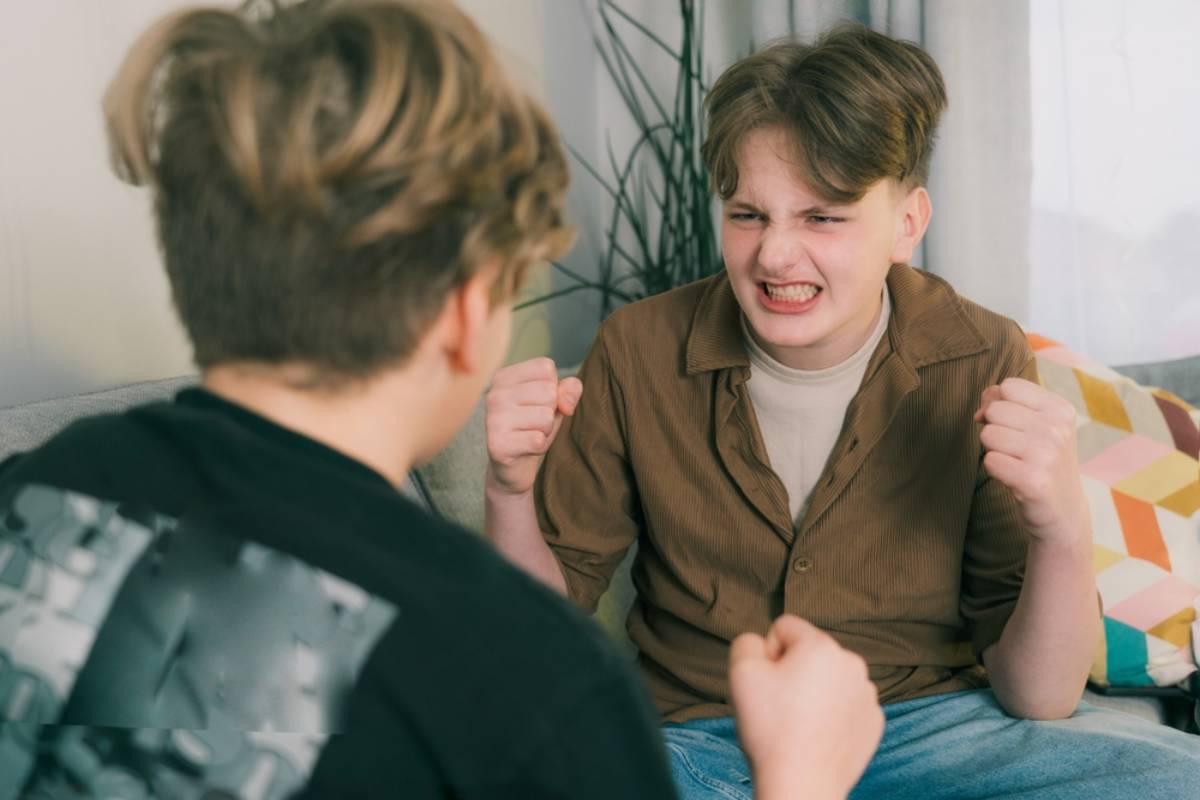
A 17-Year-Old Says Her Brother Has Spent Years Humiliating Her and Turning Their Parents Against Her, and Now She Is Desperate to Escape the Same House

A 17-year-old girl shared her story about growing up with a brother whose behavior had made home feel like anything but a safe place. She described years of humiliation, physical aggression, and personal information being used against her whenever she trusted him. What should have been an ordinary sibling relationship had become a source of constant stress, leaving her wondering how much longer she could endure living under the same roof.
The situation was especially painful because she had once genuinely cared about her brother. She remembered feeling protective of him when other people bullied him for being gay, even going out of her way to avoid things that might hurt his feelings. Looking back, she struggled to understand how someone she had tried so hard to protect could repeatedly treat her with such cruelty.
The Trouble Started Long Before She Was a Teenager
According to the young woman, her brother’s behavior had been troubling since they were children. She recalled an incident when she was 12 and he was 16, during which he attacked her at a park in front of their cousins. She described being kicked and having her hair pulled out, leaving her bruised and struggling to fight back.
The incident was not something she remembered as an isolated disagreement between siblings. Instead, it became part of a larger pattern that left her feeling vulnerable around him. Even as she grew older, she felt that she could never completely relax because another humiliating or upsetting encounter seemed possible.
He Turned Her School Grades Into Another Weapon
School was supposed to give her a break from the tension at home, but even her grades became another way for her brother to make her uncomfortable. She explained that he had access to her school portal and would monitor her results, apparently ready to report every bad grade to their parents. Rather than treating her academic struggles as private matters, he made her feel as though she was constantly being watched.
For a young student, that kind of pressure could make an already difficult school experience even more stressful. Instead of being able to learn from mistakes or ask for help without fear, she worried about how her brother might use the information against her. The problem was no longer simply about grades, but about losing the privacy and freedom most teenagers need to grow up.
An Embarrassing Childhood Moment Left a Lasting Mark
One of the most upsetting incidents she described involved something deeply personal that happened when she was just 11 years old. She said her brother took a photograph of her underwear stained with menstrual blood and showed it to their cousin while laughing at her. What should have been a private and potentially embarrassing moment became an experience of public humiliation.
The incident was particularly troubling because she was still a child learning to navigate puberty. Instead of receiving understanding or reassurance, she felt exposed by someone who should have respected her privacy. Years later, the memory remained part of the reason she no longer felt comfortable trusting him with anything personal.
She Could No Longer Trust Him With Her Secrets
As their relationship deteriorated, the young woman said she stopped feeling safe sharing her thoughts with her brother. Whenever she confided in him about a personal problem, she worried that he would tell their parents, even when the information was private. A conversation that should have offered comfort could instead become another source of trouble.
That loss of trust changed the way she viewed their relationship. She could no longer rely on him as a confidant, and even asking him for a favor felt complicated because she believed he would create unnecessary obstacles. Over time, she began to see distance as the only way to protect herself emotionally.
Her Parents Became Part of the Problem
Perhaps the most painful part of the story was that she did not believe her parents were protecting her. She said they knew about some of her brother’s behavior but continued to give him the benefit of the doubt. In her account, this left her feeling that he could cause problems while she was the one expected to deal with the consequences.
The situation became even more difficult when arguments between the siblings escalated. She described being physically punished by her parents after speaking up or trying to defend herself with words. Instead of feeling that an adult would listen to her side, she felt increasingly isolated inside her own family.
Even Standing Up for Herself Came at a Cost
The teenager explained that she had tried to challenge her brother’s behavior, but those confrontations often made things worse. When she responded to something hurtful he had done, the resulting argument could shift attention away from his actions and toward her reaction. She felt trapped in a situation where staying quiet hurt her, but speaking up could bring further consequences.
This pattern left her questioning what she was supposed to do differently. She did not want to continue accepting mistreatment, yet she also knew that confronting him was unlikely to produce the change she wanted. The more she tried to defend herself, the more she felt that her own home offered her very few ways to escape the conflict.
A Fight Over Food Became Another Breaking Point
One incident involving food appeared to capture just how exhausting the household atmosphere had become. She said her brother deliberately threw food at her, and when she reacted angrily, neither parent stepped in to address what had happened. She was left feeling that even a seemingly ordinary disagreement could turn into another experience of being dismissed.
Her frustration was not simply about the food itself. It was about what the incident represented after years of similar experiences, especially when she believed her parents were unwilling to hold her brother accountable. By this point, she felt she had reached the end of her patience and could no longer pretend that their relationship was normal.
Her Parents’ Words Cut Even Deeper
The young woman also recalled hearing deeply hurtful remarks from her parents during conflicts involving her brother. After one argument, she said her father made a degrading comment suggesting she should be out on the street and might become pregnant. Hearing something like that from a parent could be devastating, particularly for a teenager who already felt unsupported at home.
She also described her mother’s response after another incident involving her brother, saying her mother made a remark that suggested the person she disliked most was already living in the house. Rather than helping her feel understood, these comments reinforced her sense that she had become the problem in her family’s eyes. The emotional damage extended beyond her relationship with her brother and began affecting how she felt about her parents, too.
She Still Remembered the Brother She Once Cared About
Despite everything she described, the young woman’s story was not simply about hating her brother. She remembered the little girl who had felt hurt when other people bullied him and who had tried to protect his feelings. That history made the current situation especially painful because she was not walking away from a relationship that had never mattered to her.
Instead, she appeared to be grieving the sibling relationship she had hoped they could have. She had once wanted to be someone he could trust and someone who would stand by him when others treated him unfairly. Now, she felt that continuing to act like a loving sister was costing her too much of her own peace and well-being.
At 17, She Wanted to Cut Contact Completely
Eventually, the teenager reached a point where she no longer wanted to maintain a relationship with her brother. She described herself as being done with the role of his sister and asked how she could completely ignore him while they continued living together. Her immediate problem was that she wanted distance, but she did not yet have the independence to create it.
That distinction mattered because cutting contact is much easier when two people live separately. Sharing a home meant that she might still encounter him in common areas, during family activities, or whenever their parents brought them together. She needed a way to reduce contact without creating more opportunities for arguments or retaliation.
Moving Out Seemed Like the Only Real Escape
One response from a person suggested that she focus on building an independent life, spending time away from home when possible, and saving money toward moving out. The advice recognized that creating physical distance could eventually give her more control over her daily life. However, the suggestion also highlighted a major obstacle: leaving home requires resources that many teenagers simply do not have.
The young woman explained that she already had a job and had been trying to move out since she was 16. As a college student without substantial savings or financial support from her family, however, the cost of living independently remained a serious barrier. She was not unwilling to leave; she was struggling to find a realistic way to afford it.
College Was Not the Easy Escape Others Imagined
Another response from a person suggested moving into campus housing or sharing a home with roommates. On paper, either option could have offered a path toward independence without requiring her to afford an entire apartment alone. Unfortunately, her circumstances made those suggestions less straightforward than they initially sounded.
She attended a small-town community college that did not offer dormitories, and she had limited savings as a first-year student. She also did not have a car or a driver’s license, which made finding housing and getting around more difficult. When someone suggested sharing a home with an adult man, she explained that, as a 17-year-old girl, she was uncomfortable with that arrangement.
The Advice Revealed Just How Limited Her Options Were
The responses offered practical ideas, but the teenager’s replies showed why simply telling her to leave was not enough. She had already taken steps toward independence by working and exploring her options, yet she lacked the money, transportation, and suitable housing needed to make a clean break. Every proposed solution seemed to come with another obstacle she could not easily overcome.
Her situation also raised a difficult question about what a young person should do when the people responsible for protecting her are part of the problem. She wanted to stop engaging with her brother, but she could not simply avoid him whenever she wished. Until she could move somewhere safer, she needed support from trustworthy adults and a plan that did not depend on her family suddenly changing its behavior.
She Was Looking for More Than a Way to Ignore Her Brother
At first glance, the teenager’s question was about how to ignore a difficult sibling while sharing the same home. Beneath that request, however, was a much bigger struggle involving years of alleged mistreatment, broken trust, and a feeling that her parents were not on her side. She wanted to regain control over her life without having to keep defending herself against the same people day after day.
The most important turning point in her story was not a dramatic confrontation or a sudden reconciliation. It was her recognition that she could no longer rely on the relationship to become healthy simply because they were siblings. For now, creating distance, protecting her privacy, and seeking help from a safe and trusted adult could be important steps toward a more independent future, even if moving out remained out of reach.