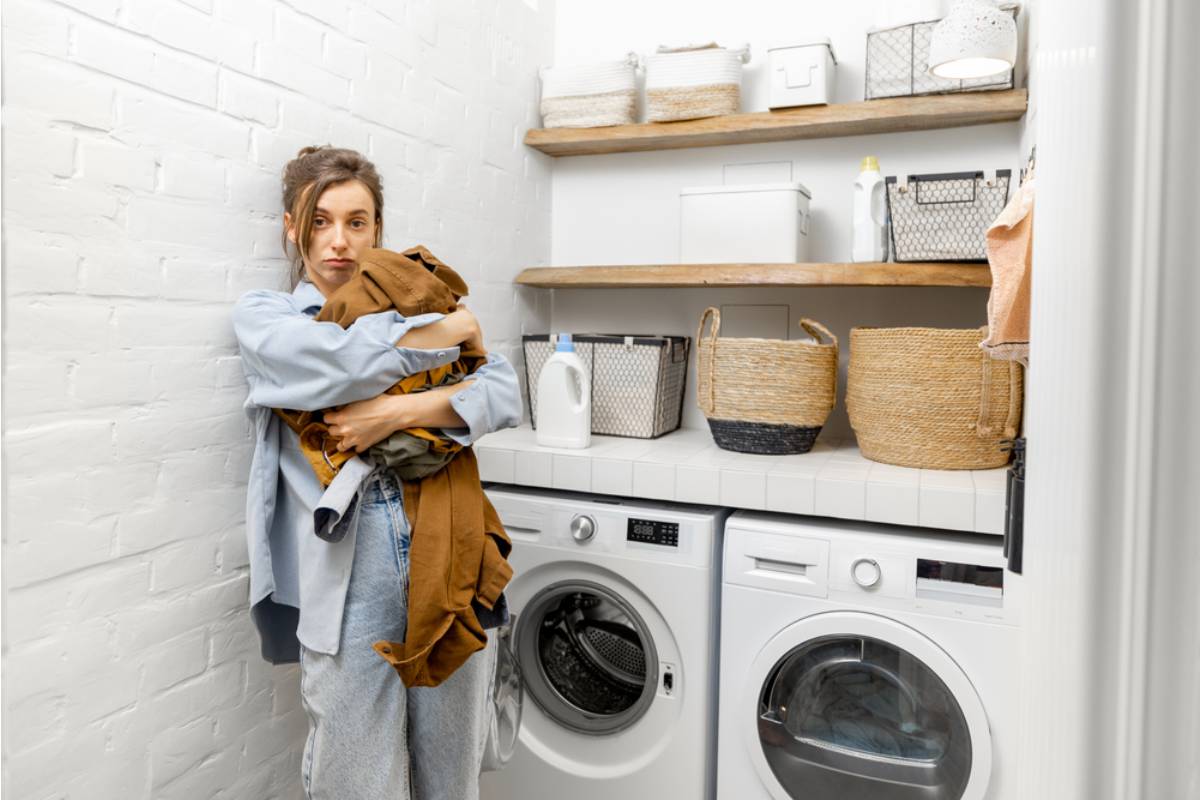
A Woman Offered Her Mom a Free Washer and Dryer After the Old Set Broke, but Her Mother’s Plan for Them Changed Everything

A person shared her story about moving and preparing to get rid of a washer and dryer she no longer needed. Before deciding to sell the set, she offered both appliances to her mother for free, with one simple condition: her mother would have to come pick them up. The offer made sense because her mother had a 30-year-old set, and the washer had recently stopped working.
At the time, it sounded like an easy family favor. The daughter could clear out two bulky appliances before the move, while her mother could replace an aging set without spending money on another one. Neither of them appeared to expect that a brand-new washer and dryer would soon change the entire arrangement.
Then Dad Decided to Buy a Brand-New Set
The situation changed when the daughter learned that her father planned to buy a brand-new washer and dryer for the home. That meant her mother’s original reason for accepting the older appliances had suddenly disappeared. There was no longer an urgent need to replace the broken washer with the daughter’s used set.
The daughter assumed the matter was settled. She figured her mother would simply tell her that the new appliances meant she no longer needed the free ones, allowing her to sell them instead. Instead, her mother surprised her by insisting that she still wanted the original washer and dryer.
Her Mother’s Explanation Raised a Few Eyebrows
When the daughter asked what her mother intended to do with a second washer and dryer, she received an unexpected answer. Her mother said she planned to put them in the garage in case she eventually moved out. That might have sounded reasonable under different circumstances, except she had reportedly been saying she planned to move out for roughly 15 years.
To the daughter, this was not a temporary storage situation with a clear deadline. It sounded like the appliances were about to become part of a long-running collection of things her mother might someday need. The daughter began wondering why she should give away perfectly usable appliances when their original purpose was no longer relevant.
The Daughter Changed Her Mind
The daughter decided that if her mother no longer needed the appliances, she would sell them instead. After all, she had only offered them because she believed her mother needed a replacement for her broken washer. Once that need disappeared, the daughter felt she had every reason to reconsider the free offer.
Her mother did not see it that way. She became upset and accused her daughter of taking back something that had already been offered to her. The disagreement suddenly became much bigger than two appliances sitting in a garage.
But the Washer and Dryer Were Still in the Daughter’s Possession
One detail kept coming up in the discussion: the mother had never actually picked up the appliances. They were still sitting with the daughter, untouched and ready to be sold. There had been an offer, but there had not been a handoff.
That distinction mattered because the daughter was not driving to her mother’s house and removing machines that had already been delivered. She was simply changing her mind before the original condition had been completed. To her, that made the accusation of “taking them back” feel especially strange.
One Response Explained Why the Situation Felt Different
A response from a person pointed out that the daughter had originally offered the appliances because she believed her mother needed them. Once the daughter learned that the intended replacement was no longer necessary, the reason behind the offer had changed. The person argued that the daughter was not really reclaiming property that had already been given away because the appliances had never left her possession.
That explanation seemed to capture the frustration at the heart of the story. The daughter was not trying to punish her mother or suddenly demand payment for a gift. She simply did not want to give away something valuable so it could sit unused for an indefinite amount of time.
Then Her Mother Revealed What She Might Actually Do With Them
The daughter later explained that she did not believe her mother planned to sell the appliances for herself. Instead, her mother was more likely to keep them around or eventually give them away to someone else. In fact, her mother had already hinted that she might give the set to a friend who rented her extra house.
That revelation made the original offer look very different. The daughter had believed she was helping her mother replace a broken appliance, not supplying free equipment for someone else’s home. What began as a straightforward family favor now appeared to have several possible destinations that had never been discussed.
Her Mother Had a Long History of Accumulating Things
The daughter also explained that her mother was not what she would traditionally call a hoarder. Her mother was actually very giving and frequently passed things along to people who needed them. The strange part was that she tended to accumulate large amounts of furniture and household items first, even when she had no immediate use for them.
That habit helped explain why the washer and dryer were so difficult to let go of. Her mother seemed to enjoy having useful things available in case someone eventually needed them. But the daughter did not want her moving plans and finances tied up in an appliance-rescue mission that might never have a clear ending.
The Fifteen-Year Moving Plan Became the Punchline
The phrase “in case I move out” was especially hard for the daughter to ignore. Her mother had apparently been talking about moving out for 15 years, yet there had been no concrete change to suggest the move was finally around the corner. The daughter admitted that if she genuinely believed her mother was moving soon, she would be willing to do much more to help.
Instead, the appliances seemed likely to join the waiting room of other things reserved for a future that kept getting postponed. From the daughter’s perspective, there was a difference between preparing for a real move and storing major appliances because a move might someday happen. That difference was at the center of the entire argument.
Then Someone Pointed Out a Family Double Standard
A response from a person told the daughter that the appliances were still hers because they had never been transferred. That comment sparked a realization because the daughter remembered having several pieces of furniture her mother had previously given her. According to the daughter, her mother had made it clear that if she ever stopped wanting those items, the mother expected to get them back.
The daughter suddenly saw the situation from a different angle. Her mother seemed comfortable attaching conditions to gifts she gave other people, while objecting when her daughter attached a condition to a gift of her own. What had seemed like a disagreement over a washer and dryer was starting to look like a much older family pattern.
Some People Thought the Appliances Were Never the Real Issue
Several responses suggested that the conflict had little to do with laundry equipment. They pointed out that the mother’s insistence on keeping something she did not currently need could be part of a broader habit of collecting useful items for hypothetical future situations. The daughter seemed to agree that this was less about the machines themselves and more about her mother’s difficulty letting go of something once it had become available.
That made the daughter’s decision easier to understand. She was moving, she could sell the set, and she had originally offered it to help with a specific problem that no longer existed. Giving the appliances away simply because her mother wanted to keep them “just in case” no longer felt like the favor she had intended.
Another Response Warned Against Making Empty Promises
One person suggested that the daughter could tell her mother she would help with future moving expenses instead, which might smooth things over. Another response pushed back on that idea and said the daughter should not make promises she did not intend to keep just to stop an argument. The simpler approach, they argued, was to be honest about why the offer had changed.
That advice fit the daughter’s own explanation. She said that if her mother truly moved out one day, she would be willing to move mountains to help her. Her frustration was not about refusing support, but about giving away useful appliances for a hypothetical move that had been discussed for years without actually happening.
The Garage Was Starting to Look Like a Storage Plan
The daughter’s concern was not simply that the appliances would sit unused for a few weeks. She believed they could disappear into the garage indefinitely, waiting for a move that might never happen. The idea of two large machines taking up valuable space while she could have sold them for money made the decision feel even less appealing.
A response from a person summed up that concern by suggesting the daughter had offered the appliances for a particular need, not as free inventory for future distribution. That distinction seemed important because generosity often comes with an intended purpose, even when no money changes hands. The daughter felt that purpose had now vanished.
The Daughter Also Had Her Own Reason to Sell Them
The upcoming move gave the appliances immediate value. Instead of leaving them behind or storing them for someone else’s possible future, the daughter could sell them and put the money toward her relocation. That did not make her original offer dishonest because the circumstances had changed after she made it.
The mother, however, seemed to view the original offer as permanent the moment it had been spoken aloud. That difference in expectations was probably why the disagreement became so heated. For one person, the offer was a conditional favor that had expired, while for the other, it was apparently a promise that could not be withdrawn.
By the End, the Argument Was About Boundaries
What began as a conversation about replacing an old washer had turned into a debate about expectations, ownership, generosity, and family habits. The daughter felt that her mother was asking her to sacrifice something useful so it could sit around for a possible future need. Her mother seemed to believe that once the free set had been offered, changing the arrangement was unfair.
The daughter ultimately stood by her revised decision. The appliances remained in her possession, her mother’s immediate need had disappeared, and the original condition that she come pick them up had never happened. The family disagreement may have started with two laundry machines, but the real tension was about whether a favor remains a favor after the reason for making it has completely changed.
The Washer and Dryer Were Never the Only Things Being Negotiated
The twist in the story was that the daughter’s decision forced her to notice a pattern she had apparently never framed quite this way before. Her mother’s long-term plans, her habit of accumulating useful items, and her own history of wanting gifts returned had all suddenly collided in one very ordinary household dispute. What looked like a petty argument over appliances had exposed a much bigger difference in how the two women understood giving.
The daughter did not seem opposed to helping her mother in the future. She simply wanted that help to go toward something real rather than a 15-year “maybe someday” plan. With the new washer and dryer no longer needed, the machines suddenly had a second chance at becoming cash for the move instead of permanent residents of the garage.