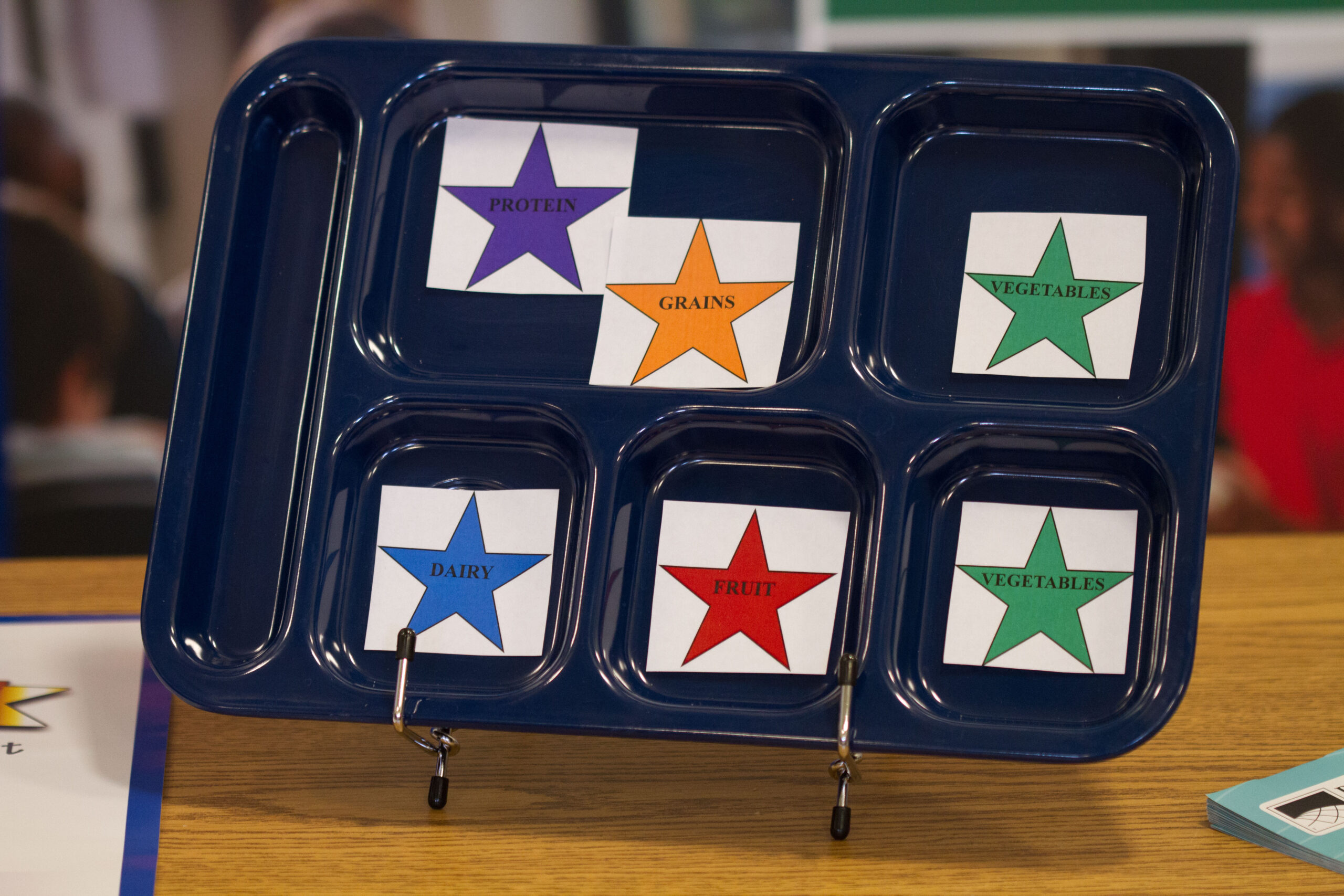
New York Will Keep Breakfast and Lunch Free for 2.7 Million Students Despite Federal Food-Aid Cuts, a Program Gov. Kathy Hochul Says Saves Families Up to $1,600 per Child

About 2.5 million free breakfasts and lunches are served in New York schools every school day, and the state says that will not change. Gov. Kathy Hochul announced on Oct. 26 that New York will keep fully funding universal free school meals for about 2.7 million students, even as federal cuts to food assistance ripple through other states’ programs.
The governor’s office says the meals may save families up to $1,600 per child per year on groceries.
Albany Puts $395 Million Behind the Promise
In a statement from Albany, the governor’s office said the state’s FY27 Enacted Budget includes $395 million for universal free school meals, $55 million more than the year before. According to the release, federal food assistance cuts will not reduce funding for any New York school’s free meals.
The program covers every school district, charter school and nonpublic school that takes part in the National School Lunch and School Breakfast programs, and it applies regardless of family income. Schools have served about 75 million free meals since classes began in September, the governor’s office said.
Hochul called it “shameful” that President Trump and Washington Republicans are trying to take free school meals away from children, in a release issued as other states report falling participation in free school meals after federal SNAP cuts and changes.
Assemblymember Jessica González-Rojas said in the same release that “no child should go hungry and no family should have to struggle to put food on the table.” State Sen. Michelle Hinchey said the program fights child hunger without stigma and saves families money on groceries every week.
Where the $1,600 Figure Comes From
The savings estimate traces back to the program’s start. When Hochul first proposed statewide free meals in her 2025 State of the State on Jan. 10, 2025, her office estimated families would save $165 per child each month in grocery spending. Spread across the roughly ten months of a school year, that monthly estimate lines up with the “up to $1,600” figure the state now uses.
For a household with three school-age children, the state’s estimate would mean as much as $4,800 a year that no longer goes to breakfast cereal, sandwich bread and lunchbox snacks.
That 2025 proposal said the state would cover meals at every school, whether or not the school used the federal Community Eligibility Provision, adding nearly 300,000 newly eligible students. The FY 2025 budget had already set aside $180 million to push eligible schools into that federal option.
In June, at the end of the program’s first full year, the governor’s office reported that New York schools served 396 million free meals in the 2025-2026 school year.
Why Families Are Still Getting Meal Forms
Parents who have noticed a household information form in their child’s backpack this fall are not imagining it. Even though every student eats free, schools still have reasons to collect it.
State guidance requires schools to squeeze as much federal reimbursement as they can out of two federal options, the Community Eligibility Provision where a school qualifies or Provision 2 where it does not, FingerLakes1.com reported. State payments then bring the federal reimbursement for reduced-price and paid meals up to the combined state and federal free-meal rate.
The rule behind that comes from Section 915-A of the state Education Law, which requires participating schools to adopt community eligibility, Provision 2 or another federal option that maximizes federal funding. The law also requires schools to run direct certification matching at least three times a year, or to collect free and reduced-price meal applications every year if they use neither federal option. Those applications are the papers that end up in backpacks.
Under the U.S. Department of Agriculture’s rules, the Community Eligibility Provision lets the highest-poverty schools serve all students at no cost without collecting household applications. Schools that don’t qualify for it rely more on family information.
FingerLakes1.com also reported that the State Education Department’s 2026-27 Provision 2 parent letter encourages families to return the form because the information helps determine state and federal funding and other program benefits. Returning it does not change whether a child eats free.
The SNAP Connection
The federal cuts the governor referred to matter for school meals because SNAP and school lunch are linked. Children in households that get SNAP or Medicaid are directly certified for free meals, according to the governor’s office, which means fewer SNAP households can mean fewer students counted automatically.
When fewer students are counted, a school can slip below the share it needs to use community eligibility, or collect less federal money per meal. New York’s state dollars are meant to fill that gap so that students do not notice a difference in the cafeteria line.
Families who are not on SNAP or Medicaid can still apply for meal benefits, and the State Education Department posts eligibility and application details on its Child Nutrition website, cn.nysed.gov. Parents with questions about a specific form can ask their district’s food service office.
Get stories like this by email. Sign up for The Parent Diaries Letter.
This article was produced with AI assistance and edited for accuracy against the sources linked above.
Image: USDA – Public domain/Wikimedia Commons