Kayem Foods Recalled About 1,584,361 Pounds of Hot Dogs, Bacon, Sausages and Deli Meats, Including Fenway Franks, After a Warehouse Cooler Malfunctioned

A complaint from one store about warm meat arriving on Oct. 1 set off a recall of more than 1.5 million pounds of meat. Kayem Foods Inc. of Chelsea, Massachusetts, is recalling about 1,584,361 pounds of ready-to-eat meat and poultry, including hot dogs, bacon, sausages and deli meats, after the products were stored in a warehouse cooler that had temperature deviations, the U.S. Department of Agriculture’s Food Safety and Inspection Service announced Oct. 17.
FSIS placed it in its most serious recall category, Class 1, which the agency uses when there is a reasonable probability that eating a product could cause serious health consequences or death. No illnesses have been confirmed.
Fenway Franks, bacon and bologna on the list
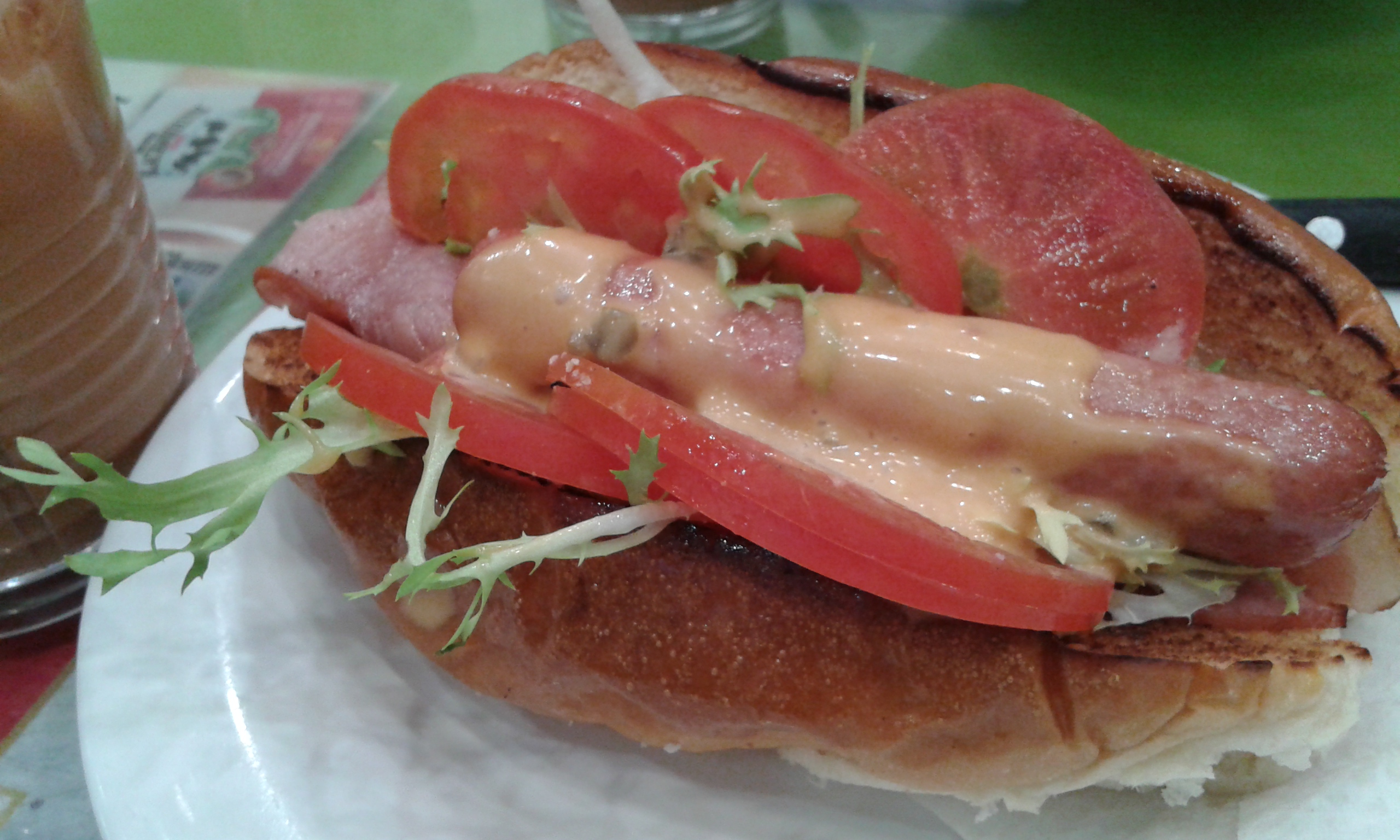
The recall reaches far beyond one brand. The USDA’s product list includes Kayem’s own lines, among them Old Tyme, Natural and Lower Sodium products, plus Fenway Franks, the 14-ounce package listed under UPC 003077101114, according to a Food Network breakdown of the federal list.
Several other brands made in or shipped from the same operation are also included:
- Al Fresco: chicken sausages, chicken patties, chicken meatballs and oven-roasted turkey breast.
- McKenzie: Natural Classic Franks, liverwurst, Angus beef, bacon and ham products.
- Triple M: Budaball Ham, Chef Delight Tavern Ham and boneless ham steaks.
- Deutschmacher: honey ham and liverwurst.
- Jordan’s: Ballgame Treats Franks and Natural Casing Franks.
- Essem, Genoa and Winnisimmet St. Butchery: frankfurters, hot ham and slow-smoked bacon.
Kayem’s list also covers kielbasa, a Polish loaf, extra-lean corned beef and original bologna. In other words, the recall touches the hot dogs and cold cuts that end up in school lunches, after-practice dinners and weekend cookouts.
How to check the package in the fridge
The recalled items were produced from about March 31 through Oct. 7, 2026, according to FSIS. Each carries one of three establishment numbers printed inside the USDA mark of inspection: “EST. M/P 7839,” “EST. P 20935A” or “EST. M 9520.”
The agency says the products were shipped to retail stores and foodservice locations nationwide and in Hong Kong. Kayem said the affected products left its Chelsea warehouse between June 7 and Oct. 14, the Boston Globe reported.
Many hot dogs and hams can be stored long-term in the freezer, the Globe noted, so a package bought in late summer could still be at home. FSIS said it is concerned that some of the product may be in consumers’ refrigerators.
Throw it out or take it back
The FSIS instructions are short. The agency tells consumers not to eat the recalled products and to either throw them away or return them to the store where they were bought.
Families checking a package should look at three things: the brand and product name, the UPC code on the label and the establishment number inside the round USDA inspection mark. FSIS has published the full product list with UPC codes and images of the recalled labels, both linked from its recall notice.
Shoppers with questions can reach Kayem Customer Service at 800-426-6100 or [email protected]. The USDA Meat and Poultry Hotline is 888-674-6854, and the agency says it will post retail distribution lists on its recalls page as they become available.
Anyone who ate a recalled product and is worried about getting sick should contact a health care provider, FSIS said. People who run into a problem with a meat, poultry or egg product can also report it around the clock through the agency’s online Electronic Consumer Complaint Monitoring System, which FSIS lists in the recall notice.
A cooler malfunction, then a warm delivery
According to FSIS, the problem surfaced when a retail customer complained about warm product temperatures at delivery on Oct. 1. Kayem then found it had stored a range of ready-to-eat products in a warehouse cooler that had temperature deviations.
Kayem told the Globe the deviation was caused by a cooling system malfunction. President and CEO Matt Monkiewicz said the company’s business “depends on providing consumers with safe food of the highest quality.” He said the recall was a precaution, apologized to customers and said management takes full responsibility for the issue, which he said has been corrected.
Ready-to-eat meats are meant to stay cold the whole way to the plate. The USDA’s food safety guidance calls 40 to 140 degrees Fahrenheit the “Danger Zone,” the range in which harmful bacteria grow, and advises keeping cold food at or below 40 degrees, according to a USDA food safety post. The same guidance says perishable food should not sit out for more than two hours, or more than one hour when the air is above 90 degrees.
The recall does not mean every package on the list spoiled. FSIS called the issue possible temperature abuse during storage, and the company described the pull as precautionary. The agency’s instruction not to eat the products still applies to every package that matches the list.
Schools were told to pull it too
The recall has also reached school meal programs. The California Department of Education posted a notice on Oct. 21 that “strongly recommends” food program operators make sure the products are not served or eaten, and that they dispose of them or return them following USDA guidance. The department noted the items are not USDA Foods, the commodity foods many schools get through the federal lunch program.
The Kayem pull lands in a busy stretch for household recalls. In recent weeks, parents have also been checking for more than 4.3 million recalled toothpaste tubes, including kids’ Brush Buddies varieties, and the CPSC has warned families to stop using 393,000 Power Quick Pot pressure cookers sold at Walmart and Amazon.
Get stories like this by email. Sign up for The Parent Diaries Letter.
This article was produced with AI assistance and edited for accuracy against the sources linked above.
Image: Pauloleong2002 – CC BY-SA 4.0/Wikimedia Commons