Days Before Halloween, the CPSC Announced Recalls of 6,533 Light-Up Finger Toys and 94 Light-Up Princess Costumes Because Children Can Reach the Button Batteries

Halloween falls on Saturday, and two of the glowing extras children might wear or carry that night are now under federal recall. On Oct. 22, the U.S. Consumer Product Safety Commission announced recalls of about 6,533 Bamamon LED Projecting Finger Light Toys and about 94 CIYTI Light-Up Princess Costumes, both sold on Amazon, because children can easily get to the button batteries inside.
No incidents or injuries have been reported with either product. The CPSC says both violate the mandatory federal safety standard for toys.
Finger lights and a light-up princess dress
The larger recall covers the Bamamon LED Projecting Finger Light Toys. Each set came with 32 small finger lights in red, orange, blue, black, purple, clear, green and yellow, plus three button cell batteries. The lights project eight space-themed images, such as astronauts, rockets, UFOs, galaxies and solar systems.
About 6,533 sets were sold on Amazon.com from March 2025 through August 2026, for about $13 to $14, according to the CPSC. The seller is Shenzhen Maiduoduo Trading Technology Co., which does business as Bamamon, and the toys were made in China.
The second recall is much smaller but aimed squarely at dress-up. The CIYTI Light-Up Princess Costume is a blue dress sold with a light-up crown, a light-up wand and a remote control. The crown, wand and remote all hold button batteries.
The costume itself has no markings, the agency said, but the package reads “CIYTI” on the front. About 94 were sold on Amazon from February through June 2025, for $21 to $35. The firm, FoShanShiNanHaiQuNuoAiTongZhuangShangHang, is based in China.
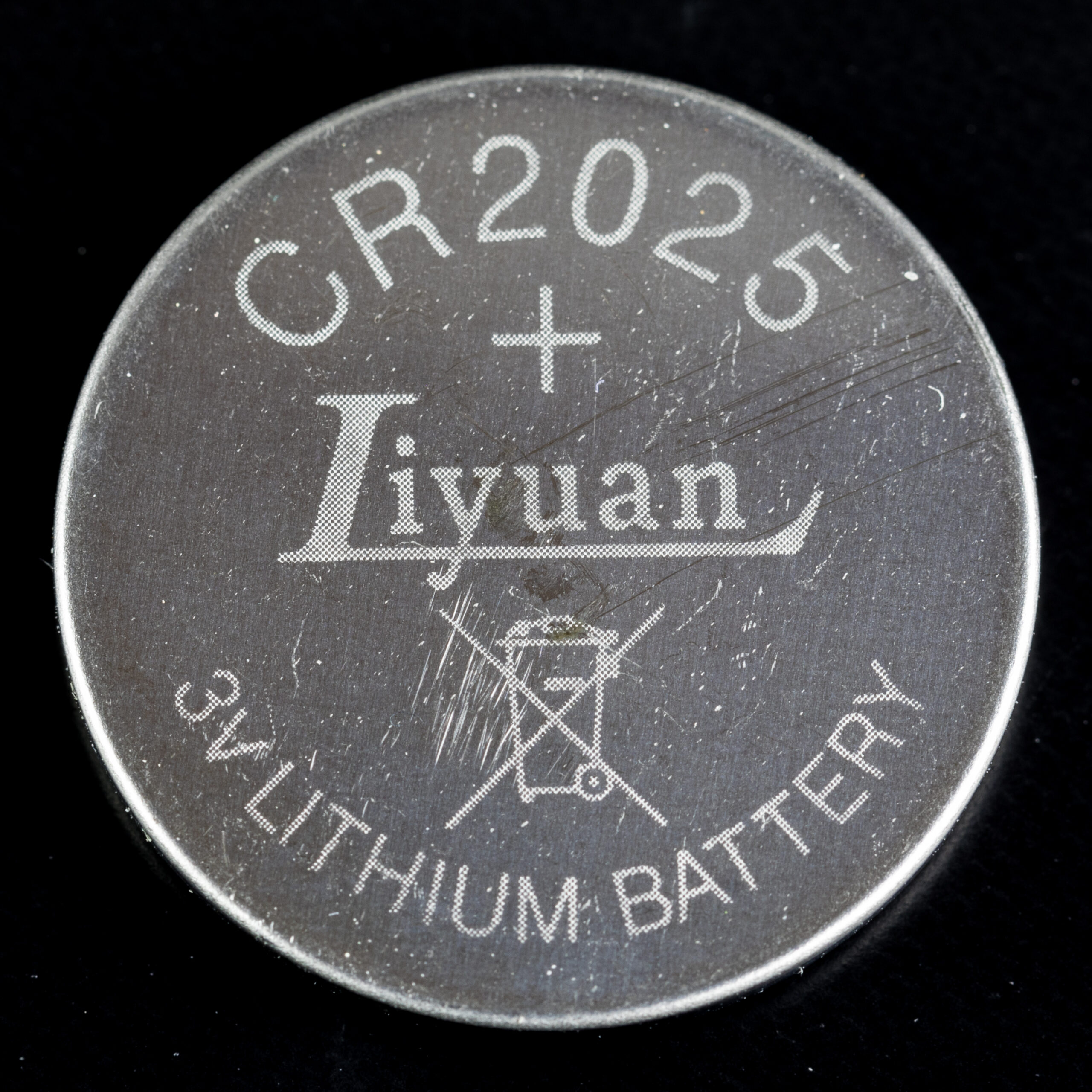
For both products, the problem is the same. The CPSC says the battery compartments can be opened easily by children, which it calls a “deadly ingestion hazard.” The agency warns that swallowed button and coin batteries can cause serious injuries, internal chemical burns and death.
How families get their money back
The CPSC tells families to stop using the recalled items right away and take them away from children. Both companies are offering refunds, and both require a photo showing the product has been thrown out.
- Bamamon finger lights: Owners contact Bamamon at [email protected], and the company asks for an emailed photo showing the toy being properly disposed of in the trash.
- CIYTI princess costume: Owners are asked to write “RECALLED” in permanent marker on the dress, crown, wand and remote, throw them away, and email a photo of the discarded pieces to [email protected] for a full refund.
The batteries should not go in the household trash. The CPSC says button batteries are hazardous and should be disposed of or recycled according to local hazardous waste rules.
The two pulls arrive as families finalize costumes, often bought online weeks ahead. Light-up accessories are popular for a practical reason, too: being seen in the dark matters on Halloween, when, as Parent Diaries reported, children ages 4 to 8 face about 10 times the usual risk of being killed while walking, based on 42 years of federal crash data. For a light-up toy or costume already in the house, the CPSC’s recall notices point to the battery compartment as the thing to check: whether a small child could open it without help.
Why button batteries are treated as an emergency
The federal government has tracked the toll for years. In a 2023 Federal Register rule carrying out Reese’s Law, the CPSC cited an estimated 54,300 emergency room visits from 2011 to 2021 tied to children and adults swallowing or inserting button cell or coin batteries. Agency staff identified 32 reported U.S. deaths from ingestion between January 2011 and March 2023.
That rule, which took effect Sept. 21, 2024, requires warning labels on button and coin battery packaging, including batteries packed with consumer products, to protect children 6 and younger.
The family behind Reese’s Law runs Reese’s Purpose, a nonprofit in Lubbock, Texas, that publishes button battery safety guidance. The group warns that severe damage can happen within two hours and that early symptoms can look like a cold or stomach bug: coughing, drooling, vomiting, trouble swallowing, refusing food, fever or unusual irritability. Its list of everyday hiding spots includes light-up shoes and clothing, key fobs, remotes, flameless candles and musical greeting cards.
The National Capital Poison Center says a child who may have swallowed a button battery should go to an emergency room immediately, even without symptoms, and that vomiting should not be induced. Families can call Poison Control at 1-800-222-1222 or the National Battery Ingestion Hotline at 1-800-498-8666.
The poison center’s guideline also allows honey in specific cases while a family heads to the hospital: only for children 12 months or older who can swallow, only within 12 hours of a suspected lithium coin cell ingestion, and only plain commercial honey, at 2 teaspoons every 10 minutes for up to six doses. The center stresses that honey does not replace emergency removal of the battery.
Get stories like this by email. Sign up for The Parent Diaries Letter.
This article was produced with AI assistance and edited for accuracy against the sources linked above.
Image: Raimond Spekking – CC BY-SA 4.0/Wikimedia Commons