
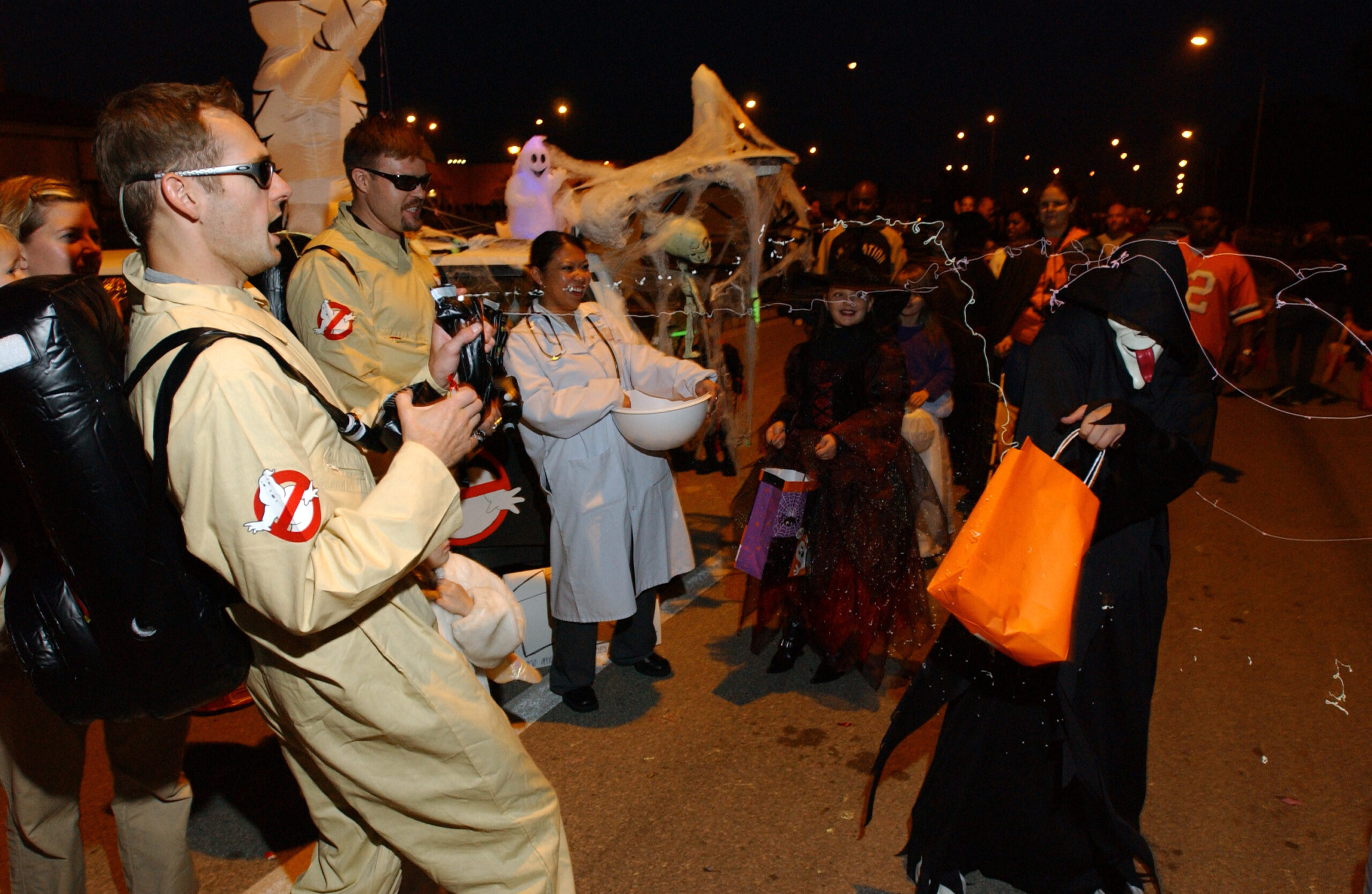
Children Ages 4 to 8 Face About 10 Times the Usual Risk of Being Killed While Walking on Halloween Night, According to 42 Years of U.S Crash Data

Around 6 p.m. on Oct. 31, as the first trick-or-treaters reach the sidewalk, the danger to young walkers climbs to its highest point of the year. Physicians John Staples of the University of British Columbia and Donald Redelmeier of the University of Toronto, with co-author Candace Yip, found that children ages 4 to 8 faced about 10 times the usual risk of being killed as pedestrians on Halloween evening.
Their analysis, published in JAMA Pediatrics, covered 42 Halloweens from 1975 through 2016. It is not new research, but its findings are a sobering backdrop for families heading out this Saturday.
How the Researchers Measured Halloween’s Risk
The team used the federal Fatality Analysis Reporting System, which tracks every fatal crash on U.S. roads. In their research letter in JAMA Pediatrics, they compared pedestrian deaths between 5 p.m. and 11:59 p.m. on Oct. 31 with the same hours on two control evenings, one week before and one week after.
Over the 42 years, 608 pedestrians were killed on Halloween evenings, compared with 851 on the 84 control evenings. That worked out to 2.07 deaths per hour on Halloween against 1.45 on ordinary nights, or about four additional deaths on an average Halloween. Overall, the risk of a pedestrian death was 43% higher on Halloween.
The jump was largest for the youngest trick-or-treaters. For children ages 4 to 8, the odds ratio was 10.00, meaning roughly a tenfold increase compared with the control evenings. The risk peaked around 6 p.m., the hour when many families with small children set out.
Small Numbers, Steady Danger
The researchers stressed that the absolute risk on any one Halloween is small. The rate per 100 million Americans fell from 4.9 to 2.5 between the first and last decades of the study period. The relative risk, however, stayed about the same across those decades, so Halloween remained more dangerous than an ordinary evening even as roads overall became safer.
The study found no differences between Halloween and the control evenings in driver demographics, crash locations, vehicle size or police-reported alcohol or speeding. In other words, the crashes on Halloween did not look different from crashes on other nights; there were simply more of them.
Staples, Yip and Redelmeier did not argue against trick-or-treating. Instead, they recommended making residential streets safer for pedestrians all year, through steps such as traffic calming and speed enforcement, rather than focusing only on one night.
Impaired Drivers on Halloween Night
Federal safety officials track a related risk. The National Highway Traffic Safety Administration’s Halloween campaign page reports that from 2019 through 2024, 176 people were killed on Halloween night in crashes involving a driver with a blood alcohol concentration of .08 or higher. Of those victims, 31 were pedestrians. Counting drivers with any measurable alcohol, 201 people died. NHTSA defines Halloween night as 6 p.m. on Oct. 31 through 5:59 a.m. on Nov. 1.
The problem is not limited to holidays. According to NHTSA’s drunk-driving data, 11,904 people died in drunk-driving crashes in 2024, about one every 44 minutes. The agency’s pedestrian safety page says 7,080 pedestrians were killed in traffic crashes nationwide in 2024, roughly one every 74 minutes, and more than 71,000 were injured.
What Pediatricians and Safety Officials Recommend
The American Academy of Pediatrics’ Halloween safety guidance states that child pedestrian injuries are more likely on Halloween than on any other night of the year. Its recommendations focus on supervision, visibility and street crossing:
- Young children should always be accompanied by an adult on trick-or-treat rounds.
- Costumes and treat bags can carry reflective tape, striping or glow-in-the-dark elements, and bright colors make children easier to spot.
- Everyone should carry a flashlight after dark.
- Groups should cross at crosswalks where available, avoid mid-block crossings, and never step out between parked cars or from driveways and alleys.
- Where there is no sidewalk, walkers should stay on the far edge of the road facing traffic.
- Older children should go in groups, follow a planned route and agree on a time to be home.
The AAP also warns that motorists may have trouble seeing trick-or-treaters and may not stop just because pedestrians have the right of way. It asks parents to remind teen drivers to slow down near driveways, alleys and parked cars, because young trick-or-treaters may move quickly or be hard to see.
NHTSA’s general advice for drivers lines up with that guidance: slow down, use extra caution at night, yield to pedestrians in crosswalks, never pass a vehicle stopped at a crosswalk, and check carefully when backing out of a driveway. For anyone celebrating with alcohol, the agency’s Halloween campaign urges planning a sober ride home before the night begins, whether through a designated driver, a rideshare or public transportation.
The 42-year record shows the hour when the danger concentrates. With Halloween falling on a Saturday this year, that early-evening window will arrive with neighborhood streets full of children.
Get stories like this by email. Sign up for The Parent Diaries Letter.
This article was produced with AI assistance and edited for accuracy against the sources linked above.
Image: Staff Sgt. Michael R. Holzworth – Public domain/Wikimedia Commons


