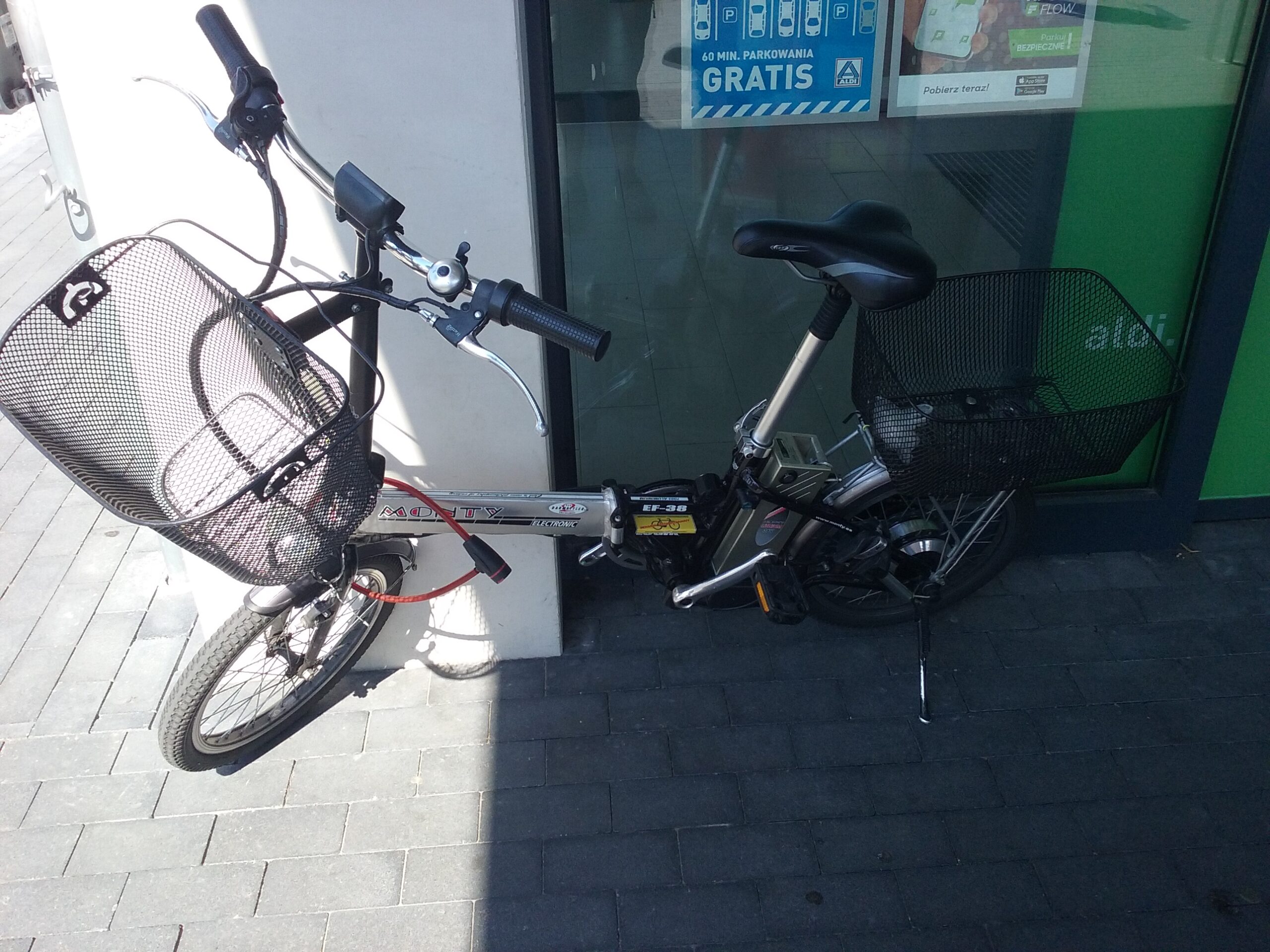
A New California Law Lets San Mateo County Ban Children Under 12 From Riding E-Bikes, With $25 Fines for Their Parents

California’s Secretary of State chaptered Assembly Bill 2595 on Sept. 30, 2026, giving cities in San Mateo County, and the county itself, the power to bar children under 12 from riding Class 1 and Class 2 e-bikes. Gov. Gavin Newsom signed it alongside two other e-bike safety bills, after a year of crashes that drew grieving parents to Sacramento. The new authority comes with $25 fines, and parents of a young rider who breaks a local ban share responsibility for paying them.
The law does not ban anything on its own. Each city council, and the county Board of Supervisors for unincorporated areas, has to decide whether to adopt the rule, and at least one county leader has already said she won’t.
What AB 2595 Allows San Mateo County Cities to Do
According to the bill record for AB 2595, now Chapter 843 of the Statutes of 2026, a local authority in San Mateo County may pass an ordinance or resolution prohibiting anyone under 12 from operating a Class 1 or Class 2 e-bike. Those are the two lower-speed classes, with motors that stop assisting at 20 mph. Class 3 e-bikes, which reach 28 mph, already require riders to be at least 16 under existing state law.
The bill builds in a slow start. A city must run a public information campaign for at least 30 days before its ban takes effect. For the first 60 days after a ban is adopted, officers can only hand out warning notices. After that, a violation is an infraction carrying a $25 fine.
The fine is written to land on the household, not only the child. Under the bill’s text, a parent or legal guardian who has custody of a minor who violates the ban is jointly and severally liable with that child for the fine. An Assembly Transportation Committee analysis from April notes that a rider can also clear the infraction by completing the California Highway Patrol’s electric bicycle safety and training program.
The pilot ends Jan. 1, 2031. If any local ban is adopted, the county must report back to the Legislature by Jan. 1, 2030, with data on traffic stops, citations, warnings and crashes involving riders under 12.
The Burlingame Crash Behind the Push
Assemblymember Diane Papan, a Democrat from San Mateo, proposed the pilot. CalMatters reported that support grew after the death of 4-year-old Ayden Fang in Burlingame. An SUV driver first collided with an 11-year-old on an e-bike, then struck Ayden, who was playing on a nearby sidewalk.
Ayden’s father, Xiaoming Fang, testified at an April Assembly hearing. “An 11-year-old should not be riding a motorized vehicle that can go up to 20 miles an hour,” he said, according to CalMatters.
Local governments lined up behind the bill. The committee analysis lists the City of San Bruno, the City/County Association of Governments of San Mateo County, the mayor of San Carlos and the Town of Hillsborough as supporters, with no formal opposition on file at that stage. The same analysis cites a survey finding that 87% of e-bike-type devices at San Mateo County schools did not meet the state’s legal definition of an e-bike.
Which Cities Say They Will Use It, and Who Says No
Participation is optional city by city. Foster City Councilmember Stacy Jimenez said she was looking forward to “bringing this tool to Foster City,” KQED reported.
San Mateo County Board of Supervisors President Noelia Corzo said she would not support applying the pilot to the county’s unincorporated areas. She cited “valid concerns in terms of public health and street safety” and questioned enforcement: “How is a police officer going to know if someone is younger than 12?”
The advocacy group Streets for All raised a similar objection. Its state policy manager, David Martinez, questioned how anyone could tell a 13-year-old from a 12-year-old on sight. The group argued the pilot was premature because data from similar programs in San Diego and Marin counties had not yet been submitted. The Assembly committee’s own analysis made the same point, noting that a Mineta Transportation Institute report on e-bike safety did not recommend age-based restrictions.
What the Injury Numbers Show
The push for age limits comes as crash data climbs. A study published July 17, 2026, in Trauma Surgery & Acute Care Open by UC San Diego trauma surgeons found reported e-bike collisions in California rose from 2 in 2018 to 1,506 in 2024, using California Highway Patrol records. Riders 14 and under made up 15.6% of injured e-bike riders, compared with 10.2% of injured traditional cyclists.
Dr. John Austin, the study’s first author, called the disproportionately high number of injured children among the most concerning findings. His co-author, Dr. Jay Doucet, put it more bluntly: “Parents need to understand what they are buying for their children.”
Part of the problem, researchers and advocates agree, is that many “e-bikes” are not e-bikes at all. A separate law Newsom signed the same week, SB 1167, bars retailers from selling or advertising any device that can exceed 20 mph on throttle or 28 mph with pedaling as an e-bike, starting Jan. 1, 2027. Those faster machines will be treated as mopeds or motor-driven cycles that require registration and a license. The site covered how that distinction played out in the case of a 13-year-old killed on a high-speed electric motorcycle.
Other E-Bike Rules Families Will See in California
The third bill, AB 2346, sets a default 10 mph speed limit for e-bikes on sidewalks and lets local governments set 10 to 20 mph limits on bike paths and trails starting Jan. 1, 2027, according to CalMatters. From Jan. 1, 2029, Class 2 e-bikes sold in the state must have a speedometer, all e-bikes must have front and rear lights, and retailers must disclose each bike’s class, top speed and any age restrictions.
For San Mateo County parents, the practical question is local. Until a city council votes to adopt the under-12 rule and the 30-day notice period and 60-day warning period run out, no child in that city can be fined. Families can watch their city council agendas for the ordinance, and Marin County’s experience offers a preview: officials there report fewer youth e-bike crashes since their pilot began, though the crash rate for riders ages 10 to 15 remains nearly four times higher than for other age groups, KQED reported.
Get stories like this by email. Sign up for The Parent Diaries Letter.
This article was produced with AI assistance and edited for accuracy against the sources linked above.
Image: Public domain/Wikimedia Commons