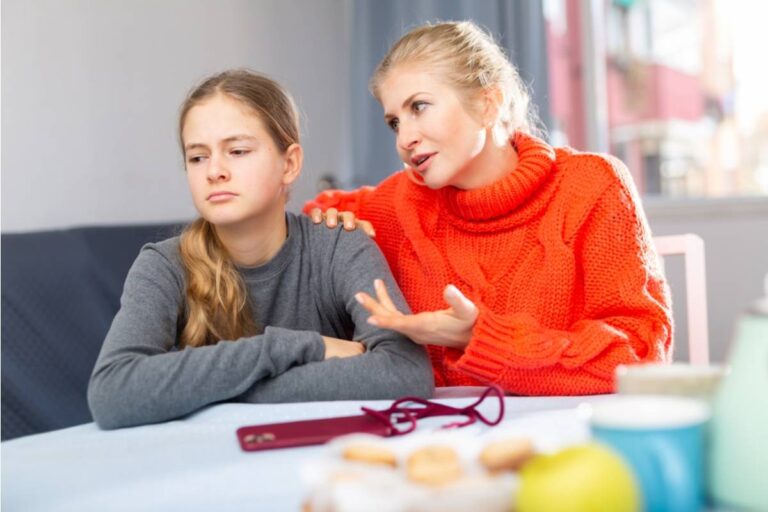
A Young Wife Says Her Stepmom Is Telling People Her Husband Is Controlling Her, but the More She Thinks About It, the More She Suspects It’s About Her Growing Up

A young married woman was caught off guard when she learned through one of her stepmother’s friends that her stepmother had been telling people something disturbing about her marriage. According to the woman, her stepmother was claiming that her husband was controlling and manipulating her into distancing herself from her family. The accusation was especially confusing because it did not match anything she had experienced in her relationship. What bothered her most was that her stepmother had apparently been discussing her marriage with other people instead of approaching her directly.
The woman shared her story because she wanted an outside perspective on what might be happening. She was not looking for strangers to convince her that her husband was secretly controlling her, because she felt confident about the relationship she had built with him. Instead, she wanted to understand why her stepmother seemed determined to portray him as the problem. The more she thought about the situation, the more she wondered whether the real issue had less to do with her husband and more to do with the changes happening in her own life.
She Had Been With Her Husband for Years Before Getting Married
The woman explained that she and her husband were both in their early twenties, while her stepmother was in her thirties. They had been together for several years before getting married, meaning their relationship had developed gradually rather than appearing out of nowhere. There had been plenty of time for the family to get used to the relationship, so the suggestion that her husband had suddenly manipulated her into abandoning everyone seemed particularly strange to her.
She also acknowledged that getting married naturally changed some things about her life. She was building a future with another person, making plans, and preparing for a time when she would no longer live under the same roof as her parents. Those changes could certainly affect how often she saw her family, but she did not believe they automatically meant she was being isolated. To her, becoming a wife was not the same thing as turning her back on the people she had grown up around.
Her Husband Was Actually Encouraging Her to Make Peace
One detail made her stepmother’s accusation especially difficult to understand. Whenever the woman had disagreements with her stepmother, she sometimes discussed them with her husband, who encouraged her to be the bigger person and work toward resolving the conflict. He would tell her to apologize if she had done something wrong and try to repair the relationship rather than simply walking away.
According to the woman, her husband had repeatedly expressed that he wanted her to maintain a good relationship with her family. He had never instructed her to cut anyone off or forbidden her from visiting or speaking with her relatives. In fact, his advice sounded almost opposite to the behavior her stepmother was accusing him of. If anything, he seemed to be encouraging reconciliation, which left the woman wondering how he had become the villain in someone else’s version of her marriage.
She Was Willing to Admit She Wasn’t Perfect
The woman did not present herself as someone who had never made a mistake. She admitted that she had probably handled some disagreements poorly and understood that her stepmother might have genuine reasons to feel hurt or frustrated with her at times. She was willing to consider whether her own behavior had contributed to the tension, even if she disagreed with the claims being made about her husband.
That willingness to examine her own actions made the situation even more frustrating. She was open to hearing that she might need to communicate better, take responsibility for mistakes, or make an effort to improve certain relationships. What she struggled to accept was the idea that her husband must be manipulating her simply because her family relationships were changing. She wanted honest feedback about her own choices, not a story that erased her ability to think and decide for herself.
The Accusations Were Spreading Beyond the Family
What unsettled the woman was not just the accusation itself, but the way she had discovered it. Her stepmother had apparently shared these concerns with someone else, giving an outside person a potentially damaging impression of her husband and their marriage. The woman had no idea how many other people might have heard the same story or whether the accusation was being repeated in other conversations.
She felt that this approach made it harder to understand the actual problem. Had her stepmother spoken to her directly, the two might have been able to discuss the specific behavior that supposedly raised concerns. Instead, the woman was left piecing together secondhand information while wondering what others had been told. The situation had turned into a mystery in which her husband was being judged for behavior she insisted she had never experienced.
One Response Reminded Her That This Wasn’t an Unusual Situation
A response from a person described a strikingly similar experience involving their own father. According to that person, their father had constructed a completely false narrative about their husband, and their mother believed it for years. It was only much later, after the father’s death, that the mother had an opportunity to experience the husband’s personality without the same negative influence shaping her opinion.
That account offered the young wife a different way to view what was happening. Perhaps her stepmother had developed a particular idea about her husband and was interpreting everything through that assumption. The person responding suggested that resentment over a partner’s growing importance in someone’s life can sometimes lead family members to undermine the relationship. Although the explanation could not prove what motivated the stepmother, it gave the woman a possible reason to look beyond the accusation itself.
She Began to Suspect Her Stepmom Resented Her Independence
The woman responded that she believed the situation might have something to do with her growing independence. As she started building a life of her own, her priorities and future plans were naturally becoming different from those she had when she was younger. She also wondered whether jealousy played a role in her stepmother’s behavior.
The thought made sense to her because her marriage represented a major change in the family dynamic. She was no longer simply a young woman living at home and following the same routines as before. She had a husband, plans for their future, and the prospect of moving away to live with him. If her stepmother was uncomfortable with those changes, portraying the husband as the reason for any distance could be a way of explaining the situation without acknowledging that the woman was choosing a different direction for herself.
Another Detail Made the Situation Feel Even More Personal
The woman then noticed something she found particularly revealing. Some of the behaviors her stepmother allegedly criticized in her husband were behaviors she had also heard her stepmother display toward her own father. For example, her stepmother had reportedly complained that the husband made terrible jokes about not loving his wife, yet the woman had heard her stepmother make similar jokes about not loving her father.
That comparison left the woman wondering whether her stepmother was applying different standards to the two men. Something that was presented as a troubling sign in the woman’s marriage seemed less concerning when it appeared in her stepmother’s own relationship. It was not enough to establish why the accusations were being made, but it added another layer to her confusion. The woman began to suspect that the criticism might reveal more about the complicated family dynamic than about her husband’s actual behavior.
She Also Remembered the Jokes About Her Husband’s Gifts
The woman’s suspicions grew stronger when she remembered other comments her stepmother had made about her marriage. Whenever her husband bought her gifts or paid for meals, her stepmother had sometimes jokingly called her a gold digger. Although those remarks were presented as jokes, they had become difficult for the woman to ignore in light of the newer accusations.
The comments seemed to paint her marriage in a negative light even during moments that were supposed to be ordinary expressions of affection. Instead of simply viewing the gifts as something her husband wanted to do for his wife, her stepmother appeared to interpret them through a less flattering lens. The woman began connecting those remarks with the claim that her husband was controlling her. Together, they made her wonder whether her stepmother had been developing an unkind picture of their relationship for some time.
A Response Warned That False Stories Can Damage Relationships
Another response from a person warned that people sometimes create narratives about others when they feel threatened by changes they cannot control. The person suggested that the woman should pay attention to who was making the accusations and whether the claims matched what she actually knew about her marriage. They also encouraged her to be cautious about allowing unsupported stories to influence how she viewed her own experiences.
The advice was not necessarily proof that jealousy was the explanation, but it gave the woman another reason to take the situation seriously. A repeated accusation can affect relationships even when the person being accused has done nothing to support it. If other relatives or acquaintances began believing the story, the husband might find himself judged before he had a chance to speak for himself. The woman therefore had to consider not only why her stepmother might be saying these things, but also how to protect herself from the consequences of those claims.
Her Stepmom’s Own Struggles Complicated the Picture
The woman also described patterns in her stepmother’s daily life that she found difficult to understand. She said her stepmother complained about the house being messy but often did not clean it, lamented not going out while repeatedly canceling plans, and criticized her father for working too much while declining to get a job herself. From the woman’s perspective, her stepmother frequently expressed dissatisfaction with circumstances that sometimes seemed capable of being changed.
However, the woman also acknowledged that depression can make ordinary responsibilities and decisions much more difficult. She had observed moments when her stepmother said therapy was helping her mood and energy, only to stop attending shortly afterward. Although the woman wondered whether her stepmother was caught in a cycle of self-sabotage, she admitted that she did not know what was actually driving the behavior. She was looking for an explanation, not claiming to have the expertise to diagnose or fully understand another person’s struggles.
Then Her Stepmom Questioned Whether She Should Become a Mother
The conflict took another uncomfortable turn when the woman described a conversation about her future with her husband. According to her account, her stepmother had told him that they should not have children because the woman supposedly lacked a “motherly instinct.” The remark was especially hurtful because it appeared to question the woman’s suitability for motherhood before she had even begun that chapter of her life.
The woman was confused about what her stepmother meant by the phrase. Whenever she babysat children, her stepmother reportedly asked too many questions, but the woman believed asking parents about a child’s needs and routines was simply responsible behavior. She did not always know the children particularly well before babysitting them, so she wanted to understand how to care for them properly. Her husband, who had seen her interact with children, believed she was good with them, leaving her wondering why her stepmother seemed to reach the opposite conclusion.
The Woman Started Seeing a Pattern in the Criticism
By this point, the woman was no longer looking at the accusation about her husband as an isolated incident. She had heard remarks about the gifts he bought her, learned that he was being portrayed as controlling, and recalled her stepmother questioning whether she would make a good mother. To her, these comments seemed to touch several major parts of her future, from her marriage to her independence and the possibility of having children.
The pattern made her question whether her stepmother was struggling with the reality that she was becoming an adult with a life beyond the family home. At the same time, the woman did not pretend that she could read her stepmother’s mind or know the exact motivation behind every remark. She could only compare what she was hearing with what she had actually experienced. And the contrast between the two pictures of her marriage was becoming increasingly difficult for her to ignore.
Moving Away Might Finally Show What Happens Next
The woman’s husband was away for work-related training, and she expected to remain with her parents for another couple of months before joining him. That meant she was still living in the same household as the person whose comments had caused so much confusion. For now, she had limited control over how often she encountered the tension, but she was approaching a major change that would give her a clearer sense of what their relationship might look like from a distance.
A response from a person who had experienced conflict with in-laws offered advice that fit the situation. Rather than rushing into a confrontation, the person suggested concentrating on the move and protecting the relationships that mattered most to her. Once she was living with her husband, her stepmother might stop making the accusations, or she might continue building the same narrative. Either way, the woman would have more room to establish her own boundaries and decide how much access her stepmother should have to her personal life.
The Biggest Question Was No Longer About Her Husband
The woman began this search for advice because she wanted to understand why her stepmother was accusing her husband of something she did not believe was happening. As she explained the background, however, the story expanded beyond a single allegation into a series of uncomfortable comments about her marriage, her independence, and her future as a possible mother. She was left considering whether the accusations reflected genuine concern, resentment over changing family roles, jealousy, or a mixture of factors she could not yet identify.
For now, she seemed determined to trust her own experience while remaining willing to examine her behavior honestly. She did not need to declare herself perfect or label her stepmother with a diagnosis to recognize that spreading serious claims about her marriage had consequences. The real test might come after she moved in with her husband, when the family could no longer blame every change on the fact that she was still living at home. Until then, she had one important distinction to hold on to: building a life with her husband was not automatically the same as being pulled away from her family.