Thanksgiving Leftovers Should Go in the Fridge Within 2 Hours, and Hot Food Should Stay at 140 Degrees, Pediatricians Say

Thanksgiving leftovers should be in the refrigerator within two hours, and hot food should be kept at 140 degrees Fahrenheit or warmer while it sits out, according to the American Academy of Pediatrics. The advice comes from the AAP’s holiday food safety guide on HealthyChildren.org, which was last updated in November 2025.
The two numbers are simple, but a long holiday meal makes them easy to miss. Federal food safety agencies back the same limits and add more detail on turkey, stuffing and reheating.
The Two-Hour Rule for Leftovers
The AAP says perishable foods that need refrigeration should not sit out for more than two hours. Leftovers should be refrigerated within two hours of cooking, or within two hours of being taken off a warming appliance.
The U.S. Department of Agriculture’s Food Safety and Inspection Service gives the same window and one important exception. In its leftovers guidance, it says perishable food left out for more than two hours should be thrown away, or for more than one hour if the temperature is above 90 degrees.
The agency also recommends dividing large amounts into shallow containers and cutting big items into smaller pieces so they cool quickly.
Why Hot Food Stays at 140 Degrees
The AAP’s wording is direct: hot food must be kept at 140 degrees or warmer to prevent bacterial growth. The Centers for Disease Control and Prevention explains the other side of that number. Bacteria multiply quickly in what it calls the “danger zone,” between 40 and 140 degrees, according to its food poisoning prevention page.
That is why the refrigerator should stay at 40 degrees or below, and the freezer at 0 degrees or below, the CDC says. A slow cooker or warming tray that dips under 140 degrees puts food back in the danger zone.
Thawing, Cooking and Reheating the Turkey
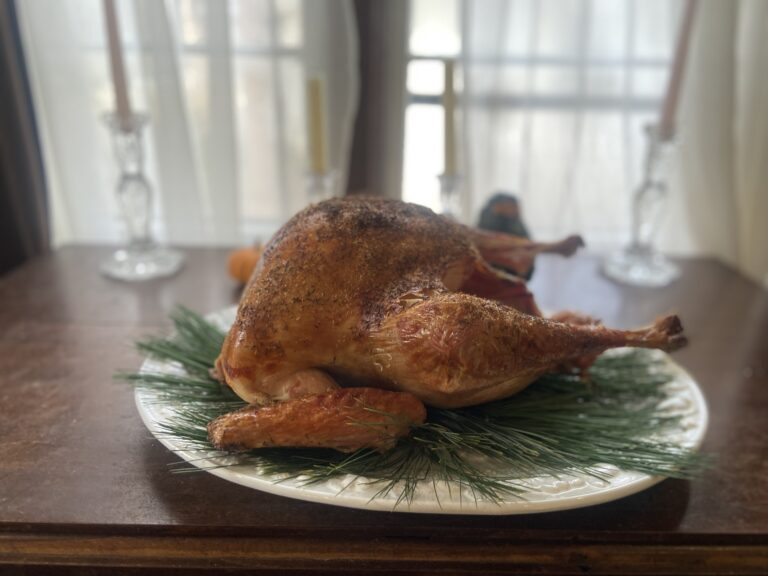
The CDC’s holiday turkey guidance says a turkey thawed in the refrigerator needs about 24 hours for every 4 to 5 pounds, and can then stay in the fridge for one to two days before cooking. A cold-water thaw takes about 30 minutes per pound, with the water changed every 30 minutes. The turkey should never thaw on the counter.
The turkey is done when a food thermometer reads 165 degrees in three spots, avoiding bone, the CDC says. A pop-up timer does not replace a thermometer. Stuffing should also reach 165 degrees in its center.
Cooked turkey and dishes made with it should be eaten within three to four days or frozen, according to the CDC. Leftovers should be reheated to 165 degrees before eating.
The AAP adds a few kitchen habits: keep raw and cooked foods separate, use separate utensils for each, wash the spoon before returning it to the food, and do not let children taste raw eggs or other ingredients that need cooking first. It also advises against overcrowding the refrigerator, since that can encourage bacterial growth.
Why Children Are Part of the Concern
Anyone can get food poisoning, but some groups are more likely to become very sick. The CDC lists adults 65 and older, children under 5, people with weakened immune systems and pregnant women. The agency estimates that about 48 million people get sick from foodborne illness each year, with roughly 128,000 hospitalized and about 3,000 dying, according to its food safety overview.
The AAP says families should wash their hands frequently and make sure children do the same, and wash raw vegetables and fruits thoroughly.
Burns, Choking and Cleanup After the Meal
The AAP’s holiday guide also covers hazards beyond germs. It says hot food and liquids should be kept away from counter and table edges, pot handles turned toward the back of the stove, and young children kept away from microwave ovens. Older children can learn to use oven mitts and to turn appliances on and off safely, with flammable objects kept away from open flames.
After the meal, the AAP recommends cleaning up right away so toddlers cannot reach leftover food, alcohol or tobacco.
Parent Diaries has covered other Thanksgiving basics for families with little ones, including the feeding rules experts give parents of babies and an AAP pediatrician’s Thanksgiving travel rules.
Get stories like this by email. Sign up for The Parent Diaries Letter.
This article was produced with AI assistance and edited for accuracy against the sources linked above.
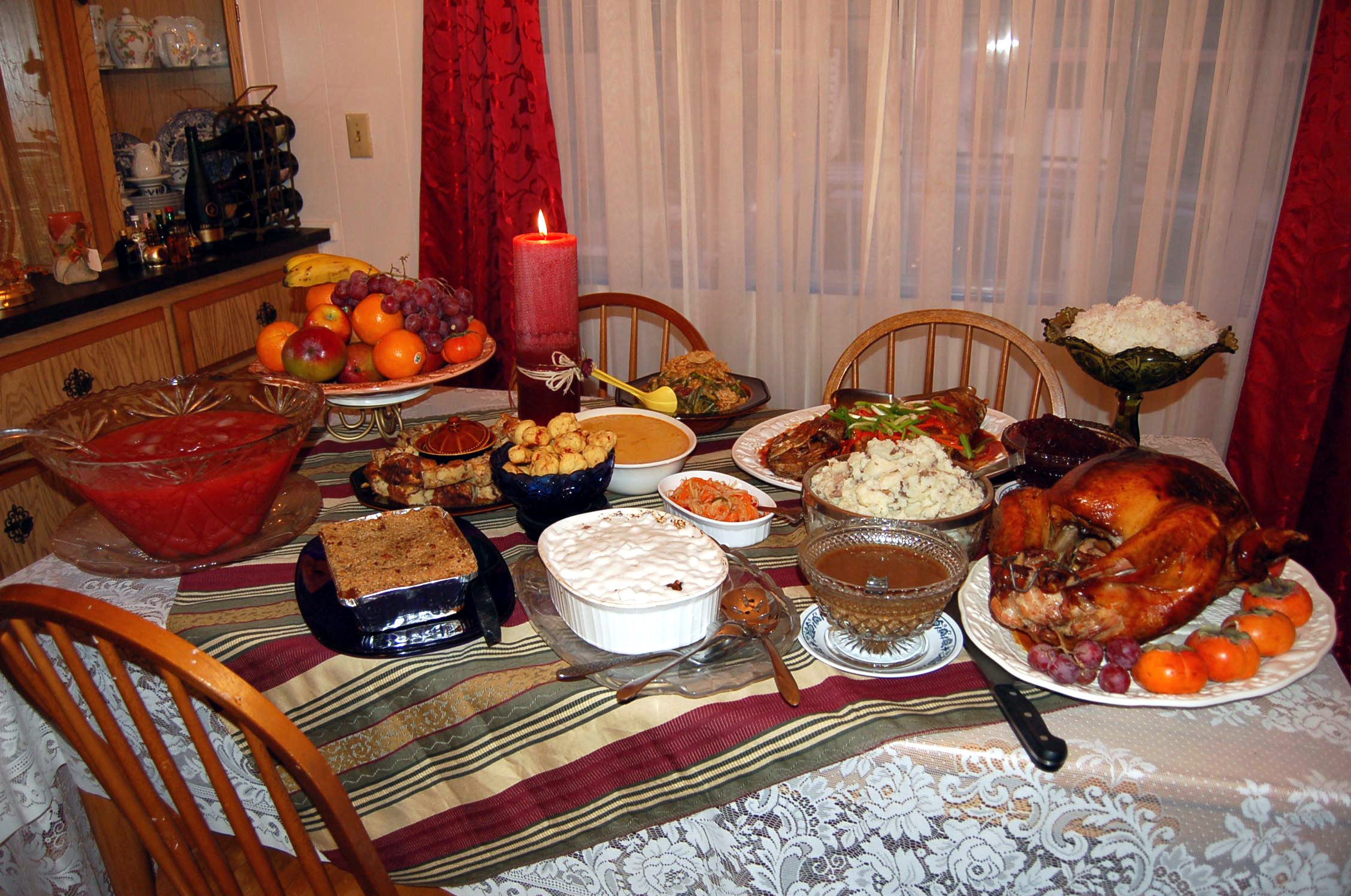
Image: Ms Jones from California, USA – CC BY 2.0/Wikimedia Commons