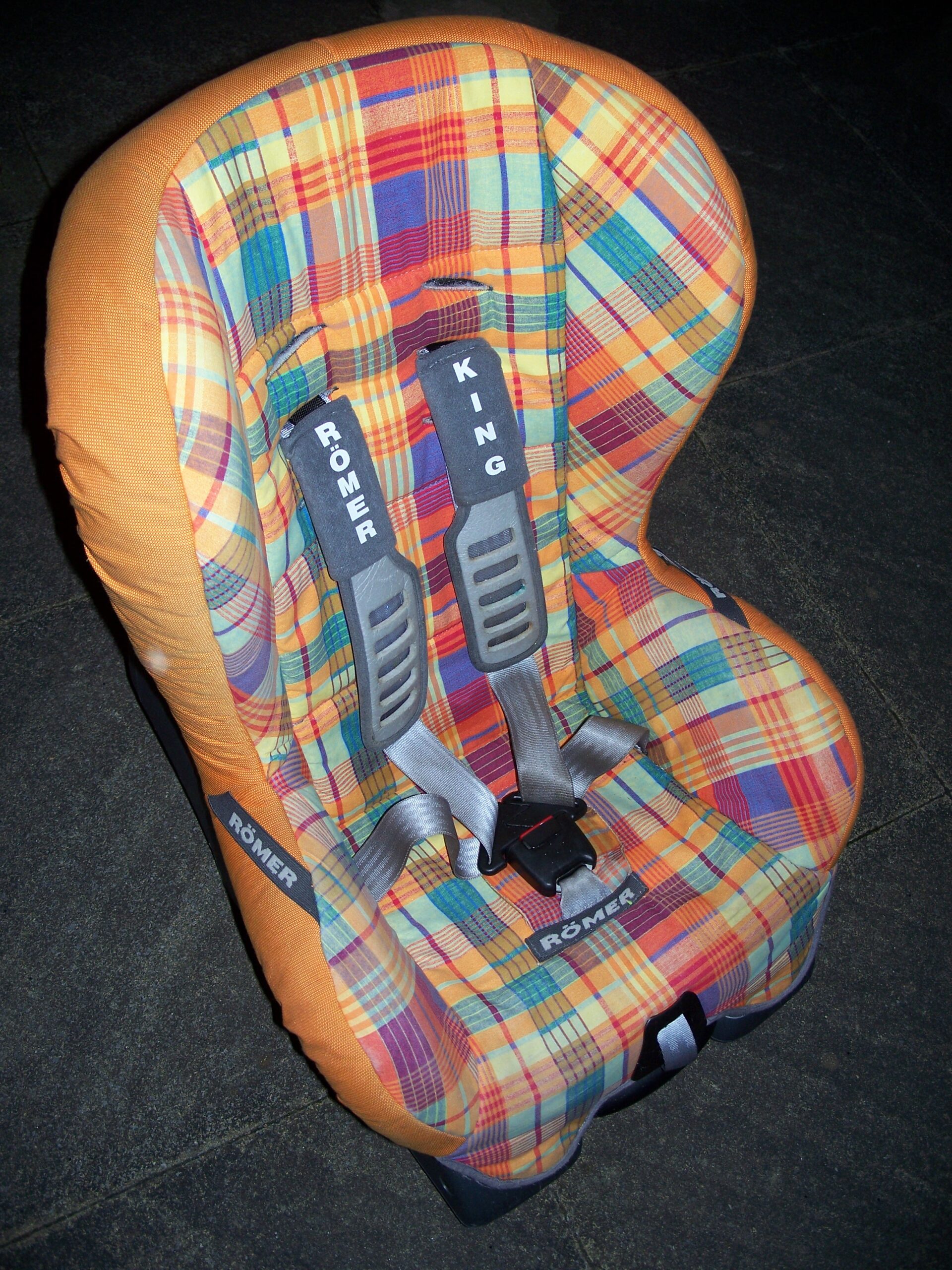
An AAP Pediatrician’s Thanksgiving Travel Rules: Car-Seat Blankets Go Over the Harness, Never Under, and Babies Belong in Their Own Plane Seat

Thanksgiving falls on Nov. 26 this year, and the days around it send some of the heaviest car and airport traffic of the season onto the road with babies and toddlers in tow. Dr. Jennifer Shu, an Atlanta pediatrician and medical editor of HealthyChildren.org, the American Academy of Pediatrics’ (AAP) parenting site, wrote a holiday travel safety guide for families with young children. Two of its rules are specific enough to act on before the trip: a blanket goes over a car-seat harness, never under it, and babies are safest in a seat of their own on a plane.
Around those two rules sit others from the same guide, plus advice from KidsHealth, the Federal Aviation Administration and the National Highway Traffic Safety Administration.
A Blanket Goes Over the Harness, Never Under It
The car comes first because it is where most holiday miles are driven. Shu’s guide says to dress small children in thin layers and to place a blanket over the harness rather than underneath it. The guide explains the reason: extra padding beneath the straps can loosen them.
The AAP’s separate car seat guidance offers a way to check the fit. Do the pinch test, it says: a parent should not be able to pinch any slack between the fingers on the harness straps over the shoulders. The chest clip belongs on the chest, level with the armpits. A thin layer under the straps and a blanket on top of them leaves the straps snug against the child, which is what that test checks.
The same page recommends that children ride rear-facing as long as possible, until they reach the highest weight or height the seat manufacturer allows, and says convertible seats often allow two years or more.
What to Check on the Seat Before a Long Drive
NHTSA’s car seat page adds the installation basics. The seat can be installed with either the lower anchors or the seat belt, never both, and NHTSA recommends a tether with any forward-facing seat when both the car seat and vehicle manufacturers permit it. The agency notes that lower anchors have weight limits, and that certified technicians at inspection stations can check an installation, often free of charge.
Shu’s guide also covers the rest of a winter drive. She recommends replacing worn wiper blades, considering winter blades in cold regions, checking fluids and carrying extra wiper fluid. An emergency kit should include warm blankets, safety flashers, drinking water, extra snacks and first-aid supplies, plus any inhaler, epinephrine injector or seizure medication a child needs, and a spare phone charger. On long drives, the guide suggests having one adult ride beside a baby to make feeding, play and naptime easier.
KidsHealth, the pediatric site from Nemours, adds some driver rules. It says to get a good night’s sleep and take rest breaks on long trips, to pay extra attention in crowded parking lots, and to set the GPS before leaving and use voice guidance. It advises pulling over before making calls or texting, since hands-free use can still distract a driver.
Why Shu Points Parents to a Separate Plane Seat for Babies
For air travel, one distinction matters. Airlines allow children under 2 to sit on an adult’s lap, and what the FAA offers is a recommendation, not a requirement. Shu’s guide says the FAA recommends that parents reserve a separate seat for babies or toddlers, and warns that little ones can be hurt during turbulence because it is nearly impossible to hold on to a child when the aircraft rocks or dips.
The FAA’s child safety seat tips show what that recommendation looks like in practice. The agency says a separate ticket must be bought for the child to use an approved seat, and parents should check with the airline before the flight to confirm family seating and that the car seat is suitable for air travel. The restraint should carry a label showing it is “certified for use in motor vehicles and aircraft.”
The same page says car seats generally must go in a window seat, not an exit row, and must not block an escape path in an emergency. Baby carriers, booster seats and backless restraints cannot be used during taxiing, takeoff or landing. The page also names the AmSafe CARES harness, which is FAA-certified for children up to 40 inches tall and 22 to 44 pounds.
Bottles, Ear Pain and the Sleep Medicine Shu Says to Skip
Air-pressure changes can cause ear discomfort in small children. Shu’s guide says giving a child a bottle or cup to sip on may help, especially during takeoff. It says children with colds or ear infections may take over-the-counter pain relievers, and it advises asking a pediatrician before flying if a child recently had ear surgery or an ear infection.
The guide is direct about one popular shortcut. Using diphenhydramine (Benadryl) or dimenhydrinate (Dramamine) to put kids to sleep is not recommended. For comfort, it suggests layers that can be added or removed, a spare change of clothes, plastic bags for soiled items, and noise-canceling headphones or silicone earplugs to reduce noise during takeoff.
KidsHealth recommends early, direct flights, which are less likely to be delayed or crowded, and says baby formula should always be allowed on a flight. It also suggests that older children can use lollipops or gum for ear pain, and it notes that phones and tablets can cause motion sickness in some children, so other activities are worth packing.
Allergies, Medicines and the Host’s House
Much of Thanksgiving happens after the trip, at someone else’s table. KidsHealth says to tell hosts about a child’s food allergy before arriving and to offer to bring a few dishes the child can eat safely. It says to mention the allergy to restaurant staff and to always have two epinephrine auto-injectors on hand in case of a reaction.
Medicines get their own rule. KidsHealth advises asking hosts to lock up medicines, cleaning supplies and guns, and keeping important medicines in a carry-on or within easy reach rather than in checked luggage. Children with asthma or diabetes should get a plan from their doctor for what supplies to bring.
The AAP guide adds a note on crowds: crowded airports and family gatherings can spread more than cheer, so vaccines should be up to date. For international trips, KidsHealth says to ask a doctor about vaccines early, since they can take weeks to work.
Get stories like this by email. Sign up for The Parent Diaries Letter.
This article was produced with AI assistance and edited for accuracy against the sources linked above.
Image: Cschirp – CC BY-SA 2.5/Wikimedia Commons