A Madera County Deputy Found a Woman in Active Labor 45 Minutes From the Nearest Hospital in Oakhurst, So He Helped Deliver Baby Kora Evalynn

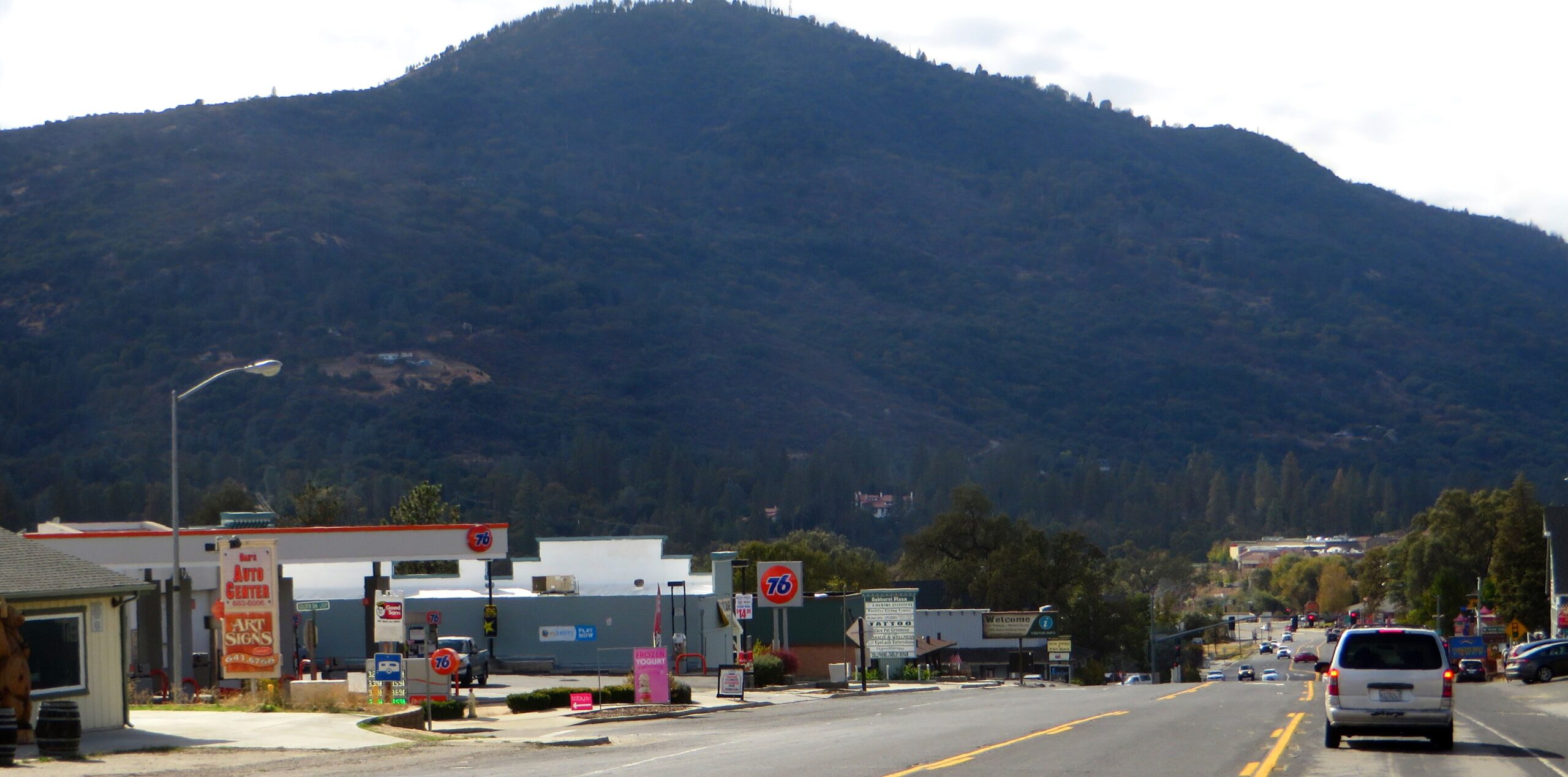
Madera County Sheriff’s Deputy Cody Gibson was answering what came in as a medical emergency in Oakhurst, a mountain town in the Sierra foothills of Central California. When he arrived, he found a woman in active labor. The nearest hospital was about 45 minutes away, and the baby was not going to wait that long.
So Gibson stayed and helped bring her into the world. The baby girl, named Kora Evalynn, arrived with the deputy assisting until emergency crews could get there, according to ABC30 Fresno, which reported the story on Oct. 28.
A medical call that turned into a delivery
The call came in about two months before the station’s report. Gibson expected a medical emergency. What he found was a mother already in active labor, with no realistic way to make the long drive to a hospital before the birth.
He did what he could with what he had. He helped with the delivery and stayed with mother and baby until emergency medical crews arrived to take over care. The mother has not been publicly named.
On Sept. 2, Gibson got to see the family again and meet Kora properly. ABC30 reported that the deputy said the job is not always about making arrests. Sometimes, he said, it is about being there for the community during the most important moments of people’s lives.
For a sheriff’s deputy, a call like this sits far outside the usual shift. Deputies are trained in basic emergency care, but most will go an entire career without catching a newborn. Gibson’s call ended with a baby girl and a family who wanted to see him again.
Why some babies come too fast for the trip
Most first labors take many hours, which is why parents are usually told there is time to get to the hospital. But not every labor follows the usual timeline. Cleveland Clinic describes precipitous labor as a baby being born within three hours of regular contractions starting, and notes that some providers use a cutoff of five hours.
Cleveland Clinic says this kind of fast labor isn’t very common, but the signs can be hard to miss once it starts. Contractions may begin suddenly and come close together with little or no break, they can be strong from the very beginning instead of building slowly, and the birthing parent may feel an urge to push.
The risks are real on both sides. For the mother, the clinic lists heavy bleeding, a higher chance of tearing, a placenta that doesn’t come out on its own, and missing medications such as antibiotics for Group B strep. For the baby, it lists breathing in meconium or fluid, infection from an unsterile setting, and injury from moving through the birth canal too quickly. That is why a trained responder on scene in the first minutes can matter so much, especially far from a hospital.
What midwives say to do when the baby won’t wait
The American College of Nurse-Midwives has a guide for exactly this situation, written by nurse-midwife Deanne Williams. It says to call the local emergency number when a mother is alone or travel seems unwise, to leave the front door unlocked so rescuers can get in, and to stay on the line, because a dispatcher can coach the family through the birth. It also suggests calling a neighbor to help.
Once the baby is breathing and crying, the guide says to remove the wet towel, cover mother and baby with a dry towel and blanket, put a hat on the baby and lay the baby skin-to-skin on the mother’s chest and belly so her body heat keeps the newborn warm. It recommends putting the baby to the breast within the first hour.
The guide stresses there is no rush with the umbilical cord. It says to keep the baby close so the cord isn’t pulled tight and to wait until the cord stops pulsing, which it says usually happens within about 10 minutes, before tying and cutting with sterile scissors. A gush of blood and a lengthening cord are the signs the placenta is coming, and firmly rubbing the mother’s lower belly afterward helps slow bleeding. Mother, baby and placenta should then go to the hospital or birth center.
Help on the line, help at the door
Gibson’s call is one of several births this year where the first person to catch a baby was a responder, a parent or a stranger rather than a doctor. In Oakland, fire dispatcher Monica Rios stayed on the phone for less than seven minutes in February while a father delivered his son on the bathroom floor, KTVU reported. In September, a San Francisco couple pulled over in heavy traffic near Golden Gate Park, and a doula stuck in the same traffic coached the mother until paramedics arrived, NBC Bay Area reported. Their daughter, Cielle Ray, and her mother went to the hospital in good condition.
Parent Diaries has followed other families with the same kind of arrival, including the Plano dad who delivered his third baby in the hospital parking lot and the Florida girl born in a rescue truck who went back to meet the crew years later.
For the family in Oakhurst, the long road to the hospital turned out not to matter. A deputy who arrived expecting an ordinary emergency helped deliver a baby girl, and weeks later he got to meet her again.
Get stories like this by email. Sign up for The Parent Diaries Letter.
This article was produced with AI assistance and edited for accuracy against the sources linked above.
Image: Ken Lund – CC BY-SA 2.0/Wikimedia Commons