Whole Grapes, Popcorn and Nuts Stay Off Plates for Kids Under 4, the AAP Says, and Hot Dogs Get Cut Into Tiny Pieces at Thanksgiving

The Thanksgiving table is loaded with some of the foods pediatricians worry about most for toddlers. Bowls of nuts, a cheese board with whole grapes, a raw veggie tray and a sweet dish topped with marshmallows all sit within easy reach of small hands.
The American Academy of Pediatrics says high-risk foods like these should be kept from children until they are at least 4 years old, depending on their development. Round, firm foods such as grapes and hot dogs can be served only if they are completely chopped into tiny pieces, according to the AAP’s choking-prevention guide on HealthyChildren.org, written by Dr. Stuart Bradin, a pediatric emergency physician at CS Mott Children’s Hospital.
Why Kids Under 4 Are the Ones at Risk
Choking is a leading cause of death for infants and young children, the AAP says. Most children who die from choking are under age 5, and two-thirds of them are babies under a year old. A child who goes without oxygen for more than 4 minutes can suffer brain damage or die.
Young children are at higher risk for physical reasons. Dr. Joelle McConlogue, a pediatrician at Stanford Medicine Children’s Health, explains that children under 4 tend to put things in their mouths, have not yet grown molars for grinding food, and have smaller airways than adults, in Stanford’s guide to holiday choking hazards. She adds that children with developmental delays are also at particular risk.
The federal Head Start program puts it plainly on its guide for child care staff: children under 4 are at high risk of choking while eating.
The Holiday Foods on the AAP’s List
Many of the foods on the AAP’s hazard list show up on a typical Thanksgiving spread. The academy names:
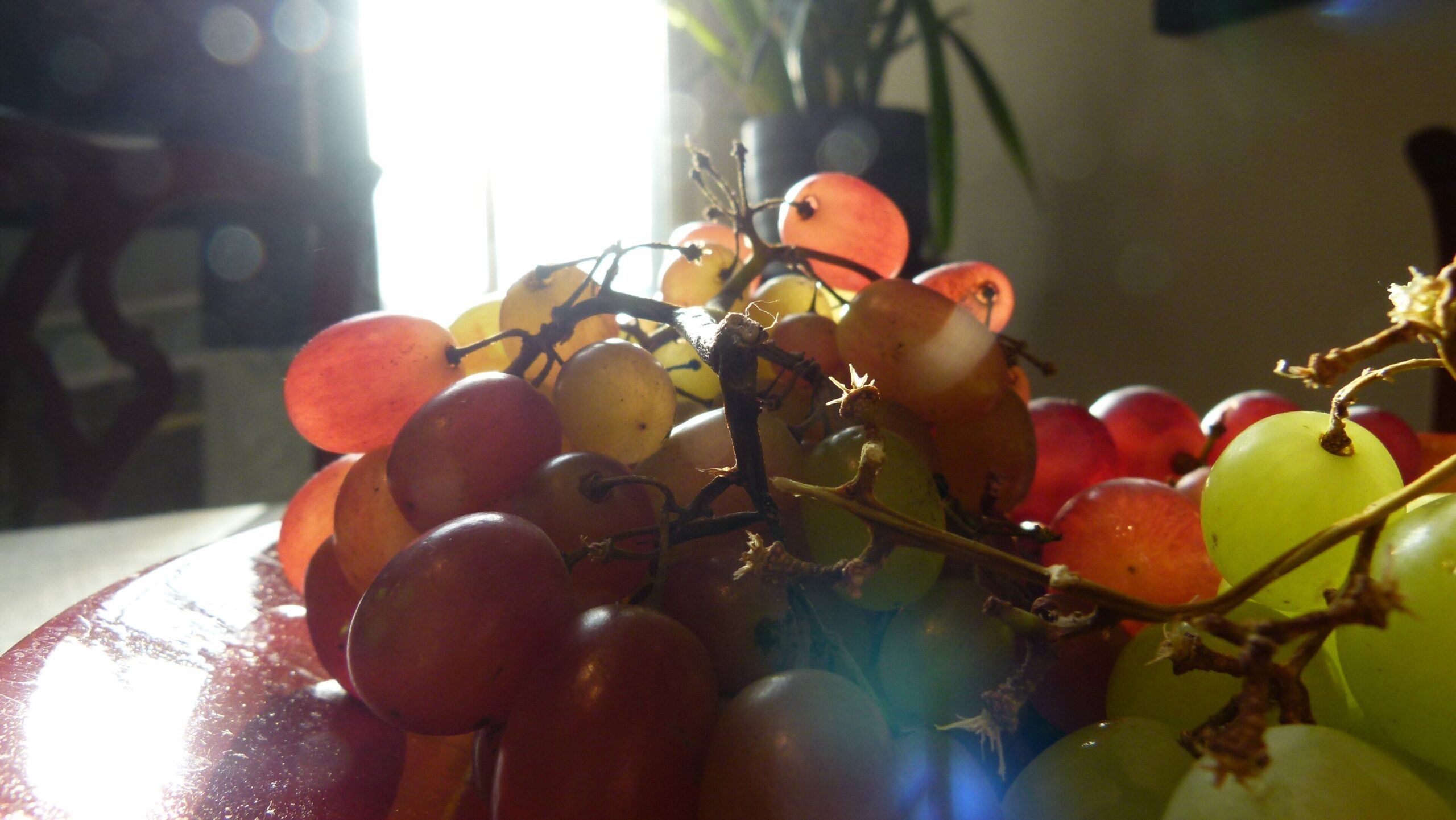
- Whole grapes
- Popcorn
- Nuts and seeds, especially sunflower seeds
- Marshmallows
- Hot dogs, meat sticks and sausages
- Chunks of meat
- Chunks of cheese or string cheese
- Raw vegetables such as carrot sticks, and raw fruit chunks such as apple pieces
- Hard, gooey or sticky candy, and chewing gum
- Thick chunks of peanut butter or other nut butters
The nutrition education site WIChealth.org adds several more that fit a holiday meal, including cooked or uncooked whole corn kernels, raw green peas, crackers or breads with seeds, whole berries, cherry tomatoes and hard pretzels. It notes that hot dogs and sausages remain a hazard even when cut into round slices.
How to Cut Grapes, Hot Dogs and Turkey
The cutting matters as much as the food. The AAP says food for infants and young children should be cut into pieces no larger than one-half inch.
KidsHealth, the parenting site from Nemours Children’s Health, says hot dogs and sausages should be sliced lengthwise into half-moons or triangles, never rounds, in a guide reviewed by Dr. Yamini Durani. Grapes and cheese cubes should be cut into small pieces, or skipped.
Head Start gives the same method for round or tube-shaped foods like grapes, cherry tomatoes and hot dogs: slice them in half the long way, then cut them into smaller pieces no larger than half an inch. Its guide also says to cook hard vegetables such as carrots until a fork goes through them easily, remove all bones from meat and fish, and grind tough meats and poultry. Nut butters should be spread thinly on toast or crackers, never served by the spoonful.
Turkey falls under the AAP’s warning about chunks of meat. For the youngest eaters, feeding experts have suggested cutting it into thin strips, as covered in these Thanksgiving rules for parents of babies.
Party Bowls, Older Cousins and Decorations
Holiday gatherings bring risks that ordinary dinners do not. KidsHealth warns parents to be careful at parties, where bowls of nuts or candy are easy for little ones to reach or may end up on the floor. It also says older children should be watched, since they may not know which foods are unsafe for a younger sibling or cousin.
KidsHealth recommends that kids sit while they eat, chew well, and finish chewing and swallowing before talking or laughing. Children should not run, play or ride in the car with gum, candy or lollipops in their mouths. Head Start says children always need supervision during meals and snacks.
Dr. McConlogue told Stanford that children of every age should sit down while eating, and that even older kids still benefit from some supervision around holiday snacks.
Food is not the only hazard in a decorated house. The AAP says balloons are a choking risk for children up to 8 years old. Its list of household dangers also includes coins, marbles, small balls, pen caps, toys with small parts and small button-type batteries.
Dr. McConlogue warned that batteries are not only a choking hazard but can also be very dangerous when swallowed. She also points to tiny light bulbs, ornament hooks, beads and decorations with small detachable pieces as items to keep up high.
What to Do If a Child Starts Choking
Stanford’s guide says to call 911 right away if a child is choking. If the object can be seen in the mouth and is easy to sweep out, it can be removed with one finger. A young baby should be turned face-down and given gentle but firm back blows, and an older child needs the Heimlich maneuver. Dr. McConlogue recommends that parents take a CPR and first aid course.
Those skills save lives in real school cafeterias. In Longview, Texas, third grader Kassidy Childress made the choking sign at lunch, and her teacher and assistant principal used the Heimlich to save her.
Get stories like this by email. Sign up for The Parent Diaries Letter.
This article was produced with AI assistance and edited for accuracy against the sources linked above.
Image: domdomegg – CC BY 4.0/Wikimedia Commons