At Kiarah Blaby’s 20-Week Scan, Twin Tilly Had Lost More Than Half Her Weight and Twin Coen Had a Heart Defect. At 7 Months Old, Both Are Thriving.

Seven months after a pregnancy that doctors classed as high-risk, twins Tilly and Coen are healthy and meeting their milestones, according to their mother, Kiarah Blaby of Australia. Blaby, 22, told Newsweek that the road there included a worrying 20-week scan, a hemorrhage during her C-section and a few days in special care for the twins.
A 20-week scan that changed the plan
Blaby and her husband, Jai, 23, already had a 1-year-old daughter, Harper, when they learned they were expecting boy-girl twins. Blaby said the couple held a private gender reveal at home and called it “so beautiful and intimate.”
The pregnancy was treated as high-risk from the start, with monthly scans and appointments. At the 20-week scan, the couple were told that Tilly had lost more than half her body weight in two weeks and that Coen had a heart defect, Newsweek reported. The article does not give Tilly’s weight and does not say what type of heart defect Coen had.
After that, scans moved from monthly to weekly, with a goal of reaching 30 weeks.
Why twin pregnancies get extra monitoring
The extra checks Blaby describes match what health organizations recommend for twins. The March of Dimes says more than half of twins are born earlier than they should be, and that more than half weigh less than they should at birth. It notes that multiples are about twice as likely as single babies to have birth defects, and that mothers of twins may need extra prenatal checkups and ultrasounds so providers can track growth.
The Welsh arm of the National Health Service explains that twin pregnancies are offered extra scans, including an anomaly scan around 18 to 21 weeks to check that the babies are developing normally. It says around 6 in 10 twins are born before 37 weeks, and that identical twins who share a placenta are scanned more often.
The March of Dimes adds that mothers of twins may be referred to a maternal-fetal medicine specialist when there is a history of complications or a risk condition, and that a referral does not mean problems are certain. It also lists preterm labor, anemia, gestational diabetes, preeclampsia and postpartum hemorrhage as more common in mothers of multiples.
Those pages describe twin pregnancies in general. Neither says anything about the Blabys’ babies.
What a heart defect can mean for a baby
Heart defects are common enough that doctors look for them routinely. The Centers for Disease Control and Prevention says heart defects affect nearly 1% of births in the United States, or about 40,000 babies each year. The agency says they range from mild, such as a small hole in the heart, to severe, and that some can be found during pregnancy with a special ultrasound called a fetal echocardiogram.
The CDC also says about 1 in 4 babies with a heart defect has a critical one that needs surgery or other procedures in the first year of life. After birth, the agency says, a simple bedside test called pulse oximetry screens for critical defects by estimating the oxygen level in a baby’s blood. Because the Newsweek report does not name Coen’s condition, it is not clear where he falls on that range.
A hemorrhage, a transfer of blood and five days in special care
Blaby was admitted to hospital at 35 weeks with signs of preterm labor but was sent home, because doctors believed her body was preparing for birth. Five days later her water broke, and she delivered by C-section. Newsweek did not name the hospital or the exact week of delivery.
During the surgery, doctors accidentally cut her right ovary, which caused a hemorrhage, according to Blaby’s account. The National Health Service lists excessive bleeding and injury to nearby organs among the known risks of any caesarean, describing the bleeding as uncommon and organ damage as rare. The NHS page covers C-sections generally and is not a review of Blaby’s operation.
Tilly was moved to a special-care nursery because she was not feeding or keeping a stable body temperature. Tests then found that some of Blaby’s blood had passed into Tilly’s circulation, Newsweek reported. The parents were told the cause was unknown and that the situation could lead to serious consequences, including bleeding in the brain, and both twins were given head ultrasounds.
Newsweek reported that the parents’ shared blood type was fortunate. “If not, it could have been a lot more catastrophic,” Blaby said.
What a NICU stay involves for families
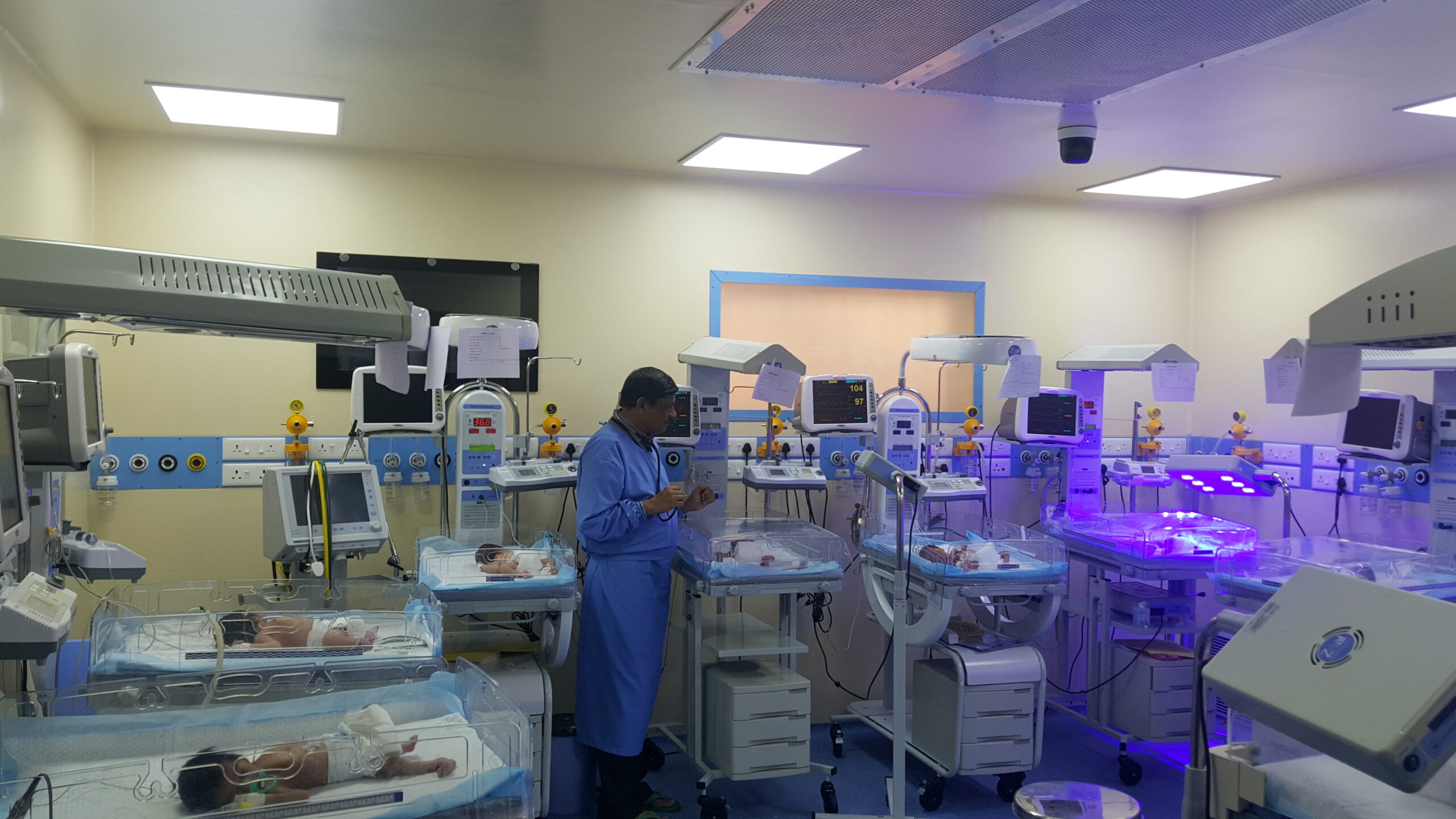
The twins were apart for about five days in the neonatal intensive care unit before being reunited and discharged together. Nemours KidsHealth, a children’s health site, says that in a NICU nurses are responsible for the daily care of the baby, such as feeding, changing, bathing and giving medicines, and that parents are encouraged to take part in care once their baby is healthy enough.
The guide suggests parents ask the care team why the baby is there, what the daily treatment plan is, which tests are needed and when the baby can go home. It also notes that a social worker or case manager can help families with services, insurance and coping.
Another family’s NICU experience was recently covered on Parent Diaries, when a Wisconsin mother went into labor with triplets at 27 weeks at a hospital without a NICU.
For the move home, the guide suggests asking when the baby will be ready to leave, what home care involves, whether special equipment or monitoring is needed, when to see the pediatrician and which signs, such as a fever, mean the baby needs a doctor. It lists these as questions for any NICU family and does not describe the Blaby twins’ discharge.
According to Newsweek, at 7 months old both twins are thriving and meeting their developmental milestones.
Get stories like this by email. Sign up for The Parent Diaries Letter.
This article was produced with AI assistance and edited for accuracy against the sources linked above.
Image: Kaveri appala – CC BY-SA 4.0/Wikimedia Commons