10 Ways to Foster a Positive Sibling Relationship for Lasting Bonds

Fostering a positive sibling relationship can have lasting benefits for both children and parents. Strong sibling bonds contribute to emotional support, companionship, and valuable life skills. As you guide your children through their interactions, you can help them create a lifelong connection that enriches their lives.
Every family has its unique dynamics, and understanding how to nurture these relationships is key. By providing opportunities for cooperation, communication, and shared experiences, you can cultivate a harmonious environment where siblings thrive together. This not only enhances their relationship but also fosters a sense of belonging within the family.
Create regular family game nights to encourage teamwork and fun

Setting aside time for family game nights can be a fantastic way to strengthen sibling bonds. You can choose board games, card games, or video games that everyone enjoys.
Encourage your kids to work together as teams during games. This not only fosters teamwork but also helps them learn to communicate and support each other.
Make it a fun tradition by rotating who picks the game each week. With this approach, each sibling feels valued and gets to share their preferences, making game night even more enjoyable.
Encourage siblings to cheer each other on during their activities

Cheering each other on helps strengthen sibling bonds. When one sibling participates in an activity, encourage the other to show support. Simple words of encouragement can boost confidence.
Arrange family events where siblings can showcase their talents. This creates opportunities for them to applaud each other. Celebrating achievements, no matter how small, reinforces a positive atmosphere.
Teach them to recognize each other’s efforts. When they hear praise directed at their sibling, they learn the importance of support. Fostering this encouragement helps build lasting connections.
Teach kids how to resolve conflicts calmly and fairly

Encourage your children to express their feelings when disagreements arise. Teach them to use “I” statements, like “I feel upset when…” This helps them communicate without placing blame.
Role-playing can be an effective tool. Act out different conflict scenarios and guide them through finding peaceful solutions together.
Also, reinforce the importance of active listening. When one sibling speaks, the other should listen without interrupting. This skill fosters understanding and empathy.
Finally, remind them that it’s okay to take a break if emotions run high. Coming back to a discussion later can lead to more productive resolutions.
Set aside special one-on-one time with each child

Making time for each child individually helps them feel valued. Schedule regular short outings or activities where you can focus solely on one child.
This can be as simple as reading a book together or going for a walk. These moments strengthen your bond and allow them to express their feelings freely.
When children feel special, they are less likely to compete for attention. It also fosters trust and open communication, benefiting their relationship with each other.
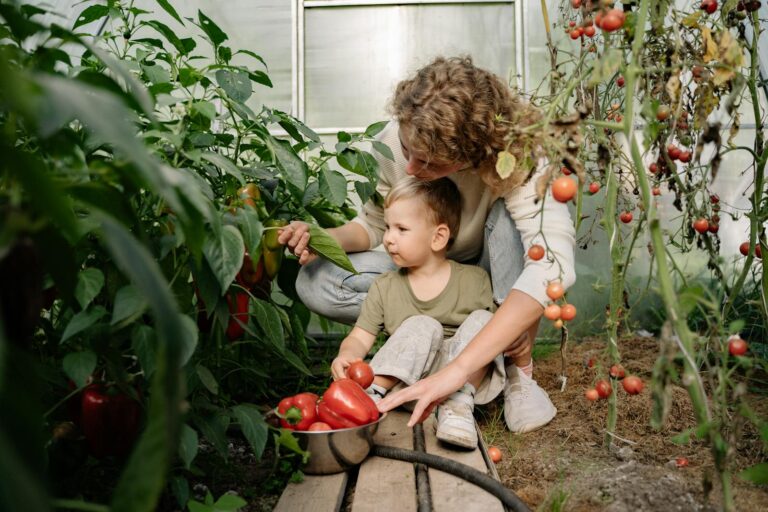
Promote shared hobbies like cooking or gardening

Encouraging your children to engage in shared hobbies can strengthen their bond. Cooking together allows them to collaborate and create tasty meals. It’s a fun way to teach skills while enjoying each other’s company.
Gardening can also be a great activity. They can choose plants, take care of them, and watch them grow. This shared responsibility fosters teamwork and patience.
Your children will have opportunities to communicate and support each other through these activities. Fun memories created in the kitchen or garden can lead to a lasting connection.
Avoid comparing siblings in front of them

It’s important to foster a positive environment for your kids. Comparing siblings can create feelings of inadequacy or rivalry.
Instead, focus on celebrating each child’s unique strengths and qualities. Encourage them to appreciate each other for who they are.
When you avoid direct comparisons, you help build trust and respect between your children.
This approach can lead to stronger sibling bonds and a more harmonious home. Always remember that your words have power in shaping their perceptions of one another.
Praise Efforts Rather Than Outcomes to Build Mutual Respect

Focusing on effort instead of just results can strengthen the bond between siblings. When you acknowledge their hard work, they feel valued, regardless of the outcome.
Encourage your children to support each other’s endeavors. Celebrate small achievements and resilience along the way. This approach nurtures a sense of teamwork and respect.
Using phrases like “I’m proud of how hard you tried” can boost their confidence. It teaches them the importance of perseverance and helps them appreciate each other’s struggles. Creating an environment of encouragement fosters positive connections that last a lifetime.
Use storybooks about friendship and sibling relationships

Reading together can strengthen the bond between siblings. Choose storybooks that celebrate friendship and sibling connections to highlight these themes.
Books like those found in the 10 Picture Books about Siblings Getting Along list provide wonderful examples. They model healthy relationships and cooperation.
Engaging with stories allows children to explore feelings and interactions. You might find that discussing the characters’ actions helps your kids navigate their own relationships.
Sharing story time also creates cherished memories. The more you read together, the closer they’ll feel as siblings.
Model kindness and respect in your own interactions

Children often imitate what they see. When you model kindness and respect in your interactions, they are more likely to adopt those behaviors.
Use polite language and demonstrate active listening during conversations. Acknowledge feelings and show appreciation for others’ contributions.
Small gestures, like saying “please” and “thank you,” reinforce positive communication. Encouraging an environment where respect is the norm helps shape strong sibling relationships.
Establish clear and fair house rules for everyone

Setting clear and fair house rules helps create a positive environment. When everyone knows the expectations, conflicts can be minimized.
Involve your children in the rule-making process. This gives them a sense of ownership and encourages them to follow the rules.
Be consistent in enforcing these rules. Consistency builds trust and understanding among siblings.
Make sure the rules apply to everyone equally. This fairness fosters respect and cooperation, making it easier for siblings to get along.