A Mom Says Her Son Came Home From Preschool Bored After Just One Week, and What She Saw During the Day Made Her Rethink Everything

A mom recently shared her story about her four-year-old son’s first week at a local kindergarten, and she quickly realized the experience was not what she had imagined. She had expected him to spend his days playing, socializing, exploring activities, and slowly getting comfortable in a classroom setting. Instead, she found herself wondering whether the program was actually giving him anything meaningful to do.
The family lives in a rural area, so the original plan had seemed simple. They would keep their son in the nearby kindergarten for now and eventually drive about 20 minutes into town once he reached school age. After just one week, however, that plan suddenly seemed much less certain.
The Classroom Had One Very Noticeable Routine
The biggest concern was the amount of screen time the mom believed her son was getting during the day. According to her account, a smart board was being used to play YouTube songs for long stretches instead of having the children move between different activities. For a parent expecting a hands-on preschool environment, that was difficult to accept.
She also felt the teacher was not very involved in creating activities or keeping the children engaged. The mom admitted she did not personally connect with the teacher either, which made the situation even harder to overlook. What began as disappointment quickly turned into a serious question about whether the program was right for her son.
Even the Toys Were Becoming Part of the Problem
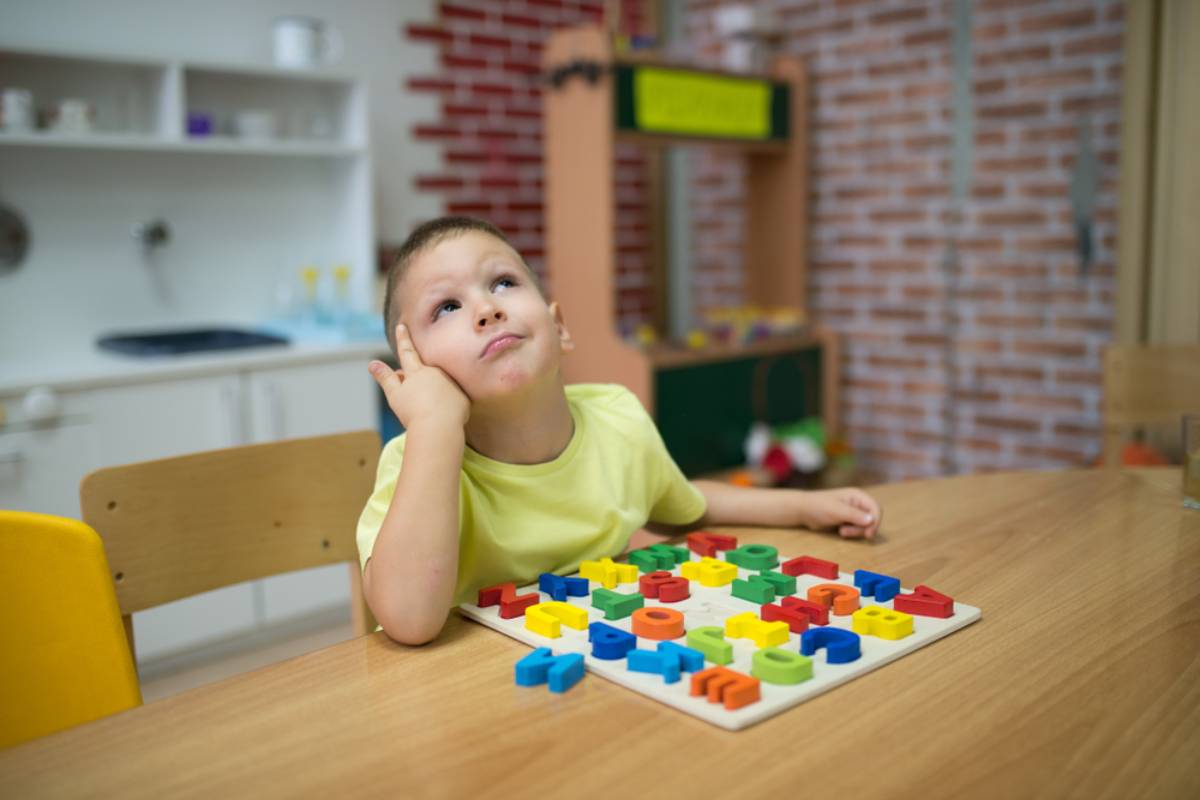
The classroom’s toys created another source of frustration. The mom said they appeared disorganized, making it difficult for the children to have the kind of imaginative play she had expected from preschool. To her, the room did not look like a place carefully arranged to encourage young children to explore and interact.
That detail mattered because she was not expecting an academic boot camp for her four-year-old. She mainly wanted him to have opportunities to socialize, play, learn routines, and become more comfortable outside the home. Instead, she worried that he was spending his time watching a screen while surrounded by toys that were not being used effectively.
Her Son Was Already Losing Interest
The hardest part for the mom was seeing how her son seemed to be responding. She described him as clever and said he appeared genuinely bored and sad while attending the program. That made the issue feel much more serious than simply disliking a teacher or finding a classroom untidy.
She began wondering whether staying there could actually make him less enthusiastic about school. A place that was supposed to help him enjoy learning and being around other children seemed to be doing the opposite. After only one week, she was already considering a much bigger change.
The Town School Suddenly Looked Different
There was another option, but it involved a drive. A kindergarten in town was about 20 minutes away, and the family had originally planned to wait until their son reached school age before making that commute. Now the mom was wondering whether there was any reason to wait.
Twenty minutes did not seem particularly long in comparison with keeping her son somewhere she believed was making him unhappy. The bigger question was whether the family should make the change immediately or give the current program more time to improve.
Then Another Parent Offered a Different Perspective
One response from a person made the mom stop and reconsider something she had not initially thought about. The person asked whether her son had a buddy in the class and suggested that a friendship could completely change how a young child experienced the classroom.
The idea was simple but surprisingly convincing. A child who has a friend may find ways to have fun even when the toys are messy or the activities are not especially exciting. A child sitting alone, meanwhile, might notice every boring detail because there is no friend helping make the day enjoyable.
The Mom Suddenly Remembered Someone
The suggestion brought a memory back to the mom. She had noticed another mother on the first day and thought she seemed like someone she would get along with. Her daughter had not returned to class afterward, apparently because she had gotten sick.
That small detail suddenly gave the mom another possible experiment before making a final decision. Instead of immediately pulling her son, she could try to connect with another family and see whether a friendship developed between the children. She admitted she had not considered that side of the situation before.
Another Parent Had Already Warned Her
The mom also revealed that she had spoken with one nearby parent who disliked the teacher. At the time, however, she had been excited about her son’s new school and wanted to give the teacher a fair chance. She had therefore not asked many questions about what the other parent had experienced.
Now that she had seen the classroom herself, that earlier conversation suddenly seemed more significant. It did not prove that the entire program was failing, but it gave her reason to wonder whether her first week’s impression was an isolated reaction. She was beginning to realize that she might need more information before making the final call.
Some People Said One Week Was Too Soon
Not everyone thought the mom should make an immediate decision. One response from a person pointed out that it had only been a week and suggested giving the child more time to settle in. Young children can need time to understand a new routine, meet classmates, and become comfortable with a teacher.
Another response from a person suggested talking directly with the teacher about the concerns. The mom had worried that doing so might sound like she was telling the teacher how to do her job, especially because she was already frustrated. Still, a conversation could potentially reveal what the classroom schedule actually looked like and whether the first week was representative.
The Screen Time Was Harder to Ignore
For several people responding, however, the screen time was the detail that changed the equation. They questioned why a four-year-old would spend such a significant portion of a preschool day watching videos when there were supposed to be opportunities for play, social interaction, and hands-on activities.
The mom later explained that she had intentionally kept her expectations fairly modest. She was not demanding an elaborate academic curriculum or a perfectly organized classroom. What bothered her was the combination of several things, especially the idea that her son could spend roughly three hours with a screen without having much organized play around it.
Other Families Were Willing to Drive
The responses also showed the mom that a longer commute was not necessarily unusual. One person shared that their child traveled about 30 minutes each way for a preschool they considered a much better fit. Another family had driven roughly 35 minutes for a nature-focused program rather than choosing a closer daycare.
Those experiences made the 20-minute drive to town seem considerably less intimidating. The mom already knew that rural life involved driving farther for certain things, and she eventually acknowledged that the commute itself was not really the problem. The bigger question was whether the improved environment would be worth those extra minutes.
But One Response Made Her Consider Waiting
Then came a different perspective. One response from a person suggested keeping the child there for the year because an additional commute could add significant time to every day. The person also asked an important question: was the child truly miserable, or was the parent more upset by what she had observed?
That distinction gave the mom something else to think about. She knew she had strong feelings about the classroom, but her son’s own experience mattered most. If he could settle in, make a friend, and become happier over the next couple of weeks, the situation might look very different.
The Final Decision Was Not Quite So Simple
By the end of the discussion, the mom seemed less certain about making an immediate move, but she was also less willing to ignore her concerns. She considered giving her son another week while trying to help him make a friend and learning more about what actually happened during the school day. At the same time, she knew the town program remained an option if nothing changed.
The situation had started with a simple complaint about a boring preschool, but it quickly became a bigger question about what a four-year-old really needs from his first classroom experience. For the mom, the answer was becoming clearer: she wanted her son to leave school feeling curious, connected, and happy rather than counting the minutes until he could go home. And after only one week, she was already realizing that sometimes the closest option is not necessarily the easiest one to live with.