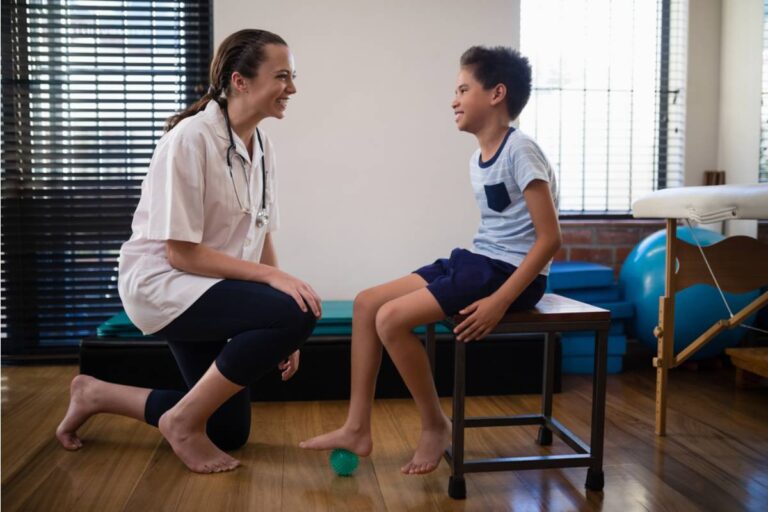
A Pediatric Nurse Says She’s Seen More Kids Come In With Stress-Related Symptoms This Year Than Any Flu Season She Can Remember

A pediatric nurse working in a busy urban clinic began noticing a shift in the types of cases coming through her unit. At first, it was subtle, just a few extra complaints of stomach pain and headaches that did not match typical seasonal illness patterns. Over time, those visits started to outnumber the usual flu and cold cases that normally dominate the clinic. Parents often arrived expecting a physical diagnosis, but tests kept coming back normal. The children, however, looked exhausted, distracted, or unusually withdrawn for their ages. It became harder to ignore that something different was happening beyond routine childhood illness.
A waiting room that feels different than before
The nurse first realized something had changed when she noticed the waiting room filling up with children who were not coughing or sniffling like in past seasons. Instead, many sat quietly with their parents, holding their stomachs or rubbing their temples. Some stared at their phones while others barely spoke when called in. The usual chatter of sick kids was replaced by a heavy silence. Parents often exchanged confused looks, expecting answers that were not immediately obvious. The atmosphere felt less like an urgent care space and more like something harder to define.
First cases that did not fit the pattern
One of the early cases that stood out was a 10 year old boy brought in for recurring stomach pain that had no medical explanation. Another was a teenage girl who kept fainting at school despite normal test results. The nurse noticed that both children described similar pressures at school and at home when gently asked. Doctors ruled out infections and physical causes, but the symptoms kept returning. These cases started appearing more frequently, almost in clusters. It was no longer possible to dismiss them as isolated incidents.
Parents searching for a clear diagnosis
Many parents arrived expecting to hear about viruses or dietary issues, but left with more questions than answers. The nurse often saw frustration on their faces when lab work came back normal. Some parents asked if something was being missed or overlooked. Others insisted their children were physically fine just days earlier. The lack of a clear medical explanation created tension during consultations. It became clear that reassurance alone was not solving the concern.
A pattern emerges during routine checkups
During well visits, the nurse began asking more open ended questions about school and daily routines. She noticed many children hesitated before answering or gave short, vague responses. Several mentioned difficulty sleeping, trouble concentrating, or feeling constantly tired. A few quietly admitted they felt overwhelmed but did not know why. These conversations revealed a pattern that had nothing to do with traditional illness. The symptoms seemed connected to daily stress rather than infection or injury.
Teachers begin referring more students
The clinic started receiving referrals from school nurses and counselors describing similar concerns. Students were being sent home for headaches, dizziness, or unexplained fatigue. Teachers reported decreased attention spans and increased emotional outbursts in classrooms. Some schools even requested medical clearance for students who were frequently absent. The nurse noticed that many of these referrals shared overlapping descriptions. The trend was no longer confined to one setting but spread across multiple schools.
A teenager describes constant pressure
One case that stayed with the nurse involved a high school student who came in after experiencing chest tightness during class. After ruling out cardiac issues, the nurse gently asked about his daily life. He described constant pressure to maintain grades, extracurriculars, and social expectations. He said he often felt like he could not pause without falling behind. His physical symptoms appeared most often during exam periods or major deadlines. The connection between stress and physical response became increasingly clear.
Younger children show similar signs
It was not only teenagers who were affected. Younger children began reporting stomach aches before school or headaches during homework time. Some parents initially suspected avoidance behavior or exaggeration. However, repeated visits and consistent symptoms suggested otherwise. The nurse observed that even elementary school students were expressing worry in physical ways. The age range of affected children was wider than expected.
Clinic staff start comparing notes
During shift handovers, nurses and physicians began sharing observations about the rising number of stress related cases. They compared charts and noticed similar symptom descriptions across different patients. Some staff members mentioned they had never seen so many cases outside flu season with no clear medical cause. Informal discussions became more frequent during breaks. The shared concern helped confirm that this was not a coincidence. The clinic began tracking cases more closely.
A surprising spike after school testing periods
One noticeable pattern was an increase in visits during standardized testing weeks. Children would come in with headaches, nausea, or dizziness that peaked around exam days. After testing periods ended, symptoms often decreased but did not disappear completely. The timing suggested a strong link between academic pressure and physical complaints. Staff began paying closer attention to school calendars when reviewing cases. The correlation became difficult to ignore.
Parents begin to reconsider expectations
As conversations continued, some parents started reflecting on their children’s routines and schedules. A few admitted that extracurricular demands and academic pressure had increased significantly in recent years. Others expressed concern that children were not getting enough downtime. The nurse often heard parents say they had assumed their children were simply adjusting. These discussions became more common in follow up visits. Awareness of stress as a physical factor slowly grew.
A meeting with school health coordinators
The clinic eventually coordinated with local school health staff to discuss the trend. During the meeting, both sides shared similar observations from different environments. Schools noted increased visits to counselors, while the clinic saw physical symptoms without medical causes. Everyone agreed that the pattern was becoming too consistent to overlook. They discussed strategies for earlier intervention and better communication. The goal shifted toward prevention rather than reaction.
A shift in how symptoms are approached
In the months that followed, the clinic began incorporating more stress screening into routine visits. Nurses were trained to ask specific questions about sleep, workload, and emotional well being. Instead of focusing only on physical causes, care plans started including counseling referrals when appropriate. Families were encouraged to look at overall lifestyle balance. The approach became more holistic over time. It marked a change in how symptoms were understood and addressed.
The nurse reflects on a changing reality
By the end of the year, the nurse realized that the increase in stress related cases was not an anomaly. It reflected a broader shift in how children were experiencing daily life. The absence of traditional illness patterns made the change even more noticeable. She thought back to earlier flu seasons that once filled the clinic with predictable cases. Now, the concerns were quieter but more complex. What she had once seen as occasional stress responses had become a defining part of her work.