Her Son Suddenly Refuses to Go to School After Something Happened and She Is Desperate for Advice

A sudden refusal that feels like a heartbreak.
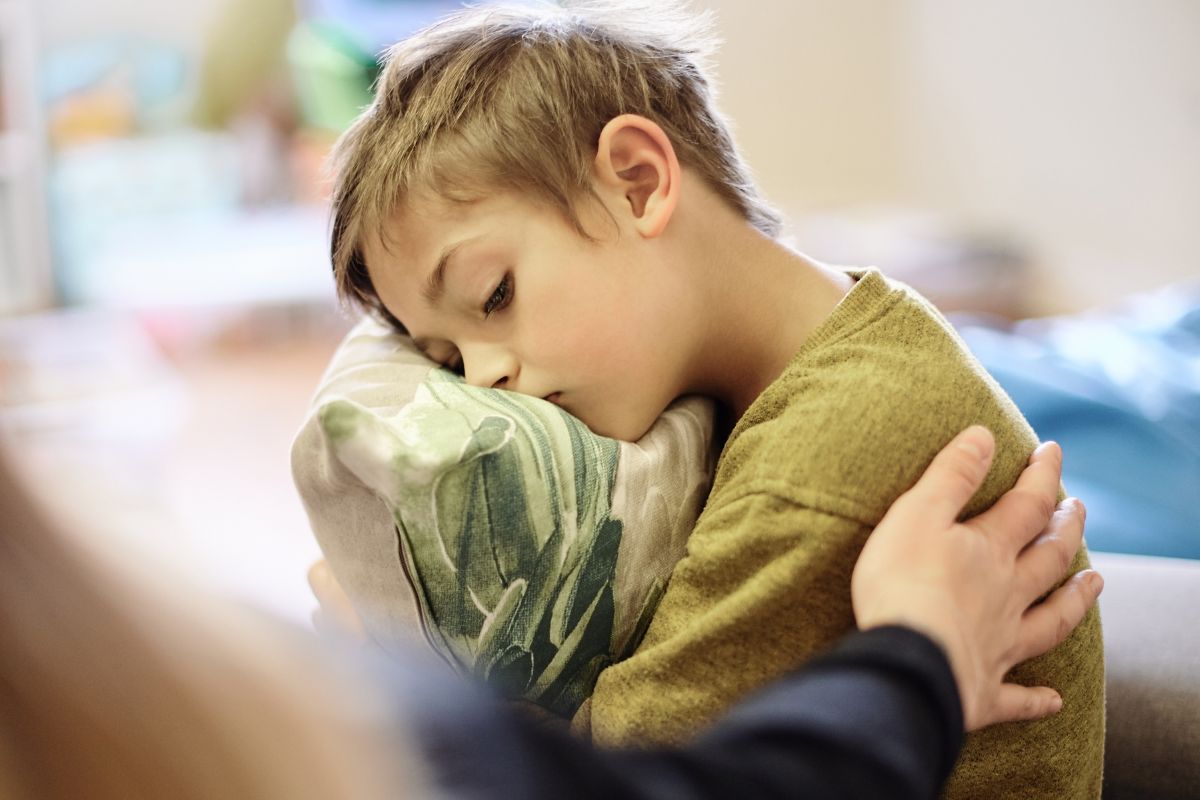
A mother reached out to an online parenting community, desperate and confused after her son abruptly refused to go to school. All she would get from him was, “something happened,” and the silence between those three words and the tears that followed has left her feeling terrified, powerless and frantic for a way forward. When a child who used to go willingly to class closes down overnight, it triggers a parent’s deepest anxieties — and it also demands a steady, practical response.
What the parent reported and why that matters
In the post, the mother described a sudden change in behavior: a child who had been attending school without issue now refuses to step back into the building. She doesn’t have clear information about what “happened,” and her son is either unwilling or unable to explain. That lack of detail is important because it shapes how you respond. When a child is vague or shuts down after an upsetting event, it can mean many things: embarrassment, fear of consequences, confusion about social dynamics, or experiencing something they’re not ready to put into words.
Possible reasons behind a sudden school refusal
There’s no single explanation for this kind of dramatic shift. Some children refuse school after being bullied, humiliated, or threatened by peers; others may have experienced a frightening incident on the bus, a sudden change in routine, or a harsh interaction with a teacher. Anxiety disorders, sensory overload, or sleep problems can also present as avoidance. In some cases the “something” is an internal experience — panic, derealization, or intense shame — that a child can’t describe. Understanding that the refusal is a symptom, not defiance, helps shift from punishment to problem-solving.
Immediate steps a parent can take tonight
First, create a calm space where your child doesn’t feel interrogated. Accusations or pressure usually make a child shut down further. Use short, compassionate statements: “I can see you’re upset. I’m here to help.” Follow with gentle, open-ended prompts if he’s willing: “Can you tell me one thing that made you feel bad?” Avoid demanding a full report if he’s not ready. At the same time, gather information from the school discreetly. Email or call his teacher, the bus driver, or the office to ask if anything unusual happened that day. Let the school know you’re trying to understand and want to partner on a solution. If the child mentions a particular student or staff interaction, request a meeting before making accusations.
Practical steps to get him back to school safely
Once immediate safety and communication have begun, form a simple, step-by-step plan. Depending on the child’s emotional state, that plan might start with partial attendance, a shortened day, or sitting in a neutral space with a trusted adult while he acclimates. Arrange a meeting with the teacher and the school counselor to create consistent responses at home and school. If the bus is involved, consider a temporary ride arrangement. Teach your child small, practical coping tools — a discrete fidget, a breathing technique, or a short phrase he can use with staff when he feels overwhelmed. Celebrate micro-successes: a single class attended, five minutes in the cafeteria, an hour on campus. Consistent, predictable routines will reduce the catastrophe mindset that fuels school refusal.
When to bring in professionals and make a record
If the refusal persists beyond several days or if your child reports threats, physical harm, or ongoing bullying, escalate. Ask the school for written documentation of incidents, insist on a formal meeting with administrators, and request the involvement of the school counselor or psychologist. If your instincts tell you something traumatic happened, or if your child is showing signs of severe anxiety or depression — changes in appetite, sleep, mood, self-harm talk — contact your pediatrician and seek a mental health evaluation. Keep a dated log of conversations, symptoms, and communications with the school; documentation becomes crucial if accommodations, safety plans or formal interventions are needed.
What Parents Can Take From This
When a child suddenly refuses school, act with urgency but without panic. Start with empathy and open listening, then gather facts from the school and create a gentle re-entry plan. Build collaborative relationships with teachers and counselors and document everything. Teach and practice small coping skills and celebrate incremental progress. If there are signs of trauma or severe anxiety, involve medical and mental health professionals promptly. Above all, remember you are not alone — many parents have faced this, and success often comes from steady, patient steps rather than dramatic confrontations. Your calm, persistent presence will be the most powerful tool to help your child find the words, the safety and the courage to return.
More from Parent Diaries:
- Woman Says Her Husband of 18 Years Asked for a “Trial Separation” Out of Nowhere, Now She’s Questioning Her Entire Life
- Man Poured Coffee on His Wife’s Head During an Argument, Then Police Say Their Son Strangled Him to Death
- Woman Says Her Husband of 18 Years Asked for a “Trial Separation” Out of Nowhere, Now She’s Questioning Her Entire Life