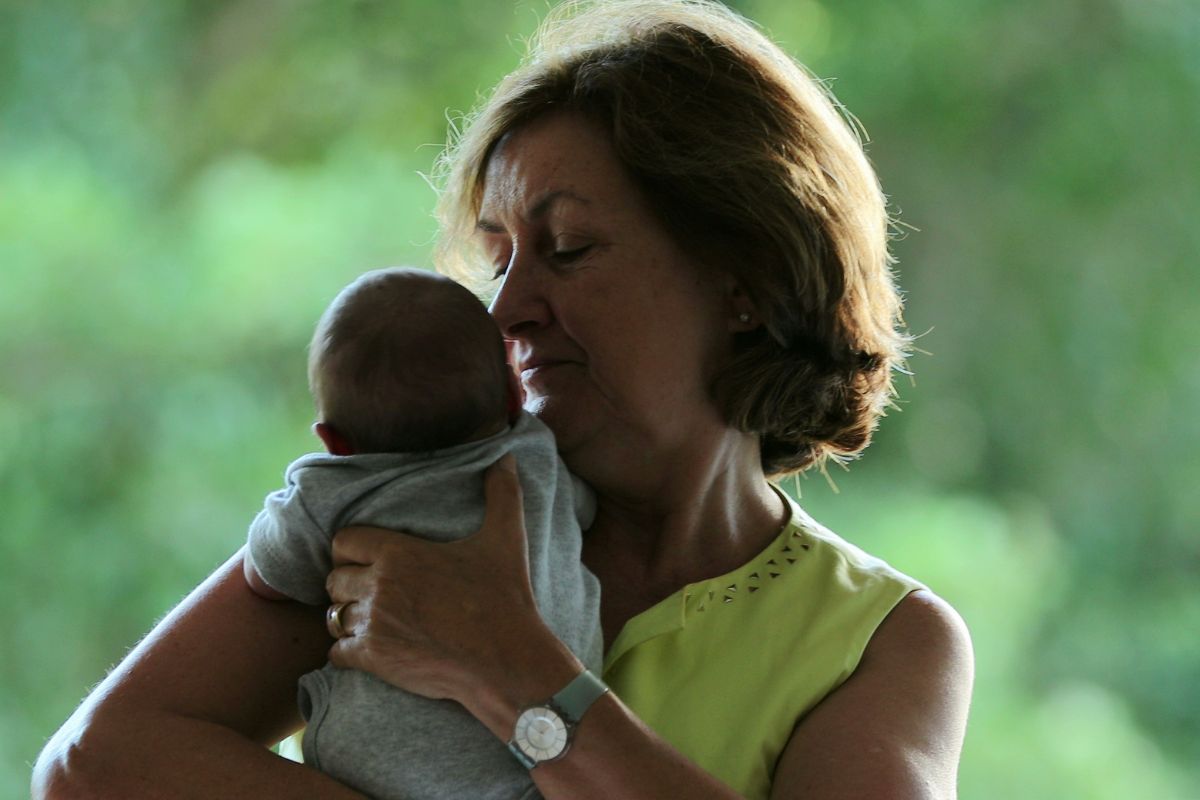
Her Mother In Law Kissed Her Newborn After She Asked Everyone Not To and Now the Family Is Fighting

She asked everyone not to kiss the baby. Her mother-in-law did it anyway. Now a joyful homecoming has devolved into a family showdown, with hurt feelings, accusations and hard questions about boundaries, respect and the messy overlaps between love and control. The post that ignited the debate is raw and ordinary: a new parent trying to protect a newborn and a grandparent expressing affection in a way that crossed a clearly stated line. The reaction online has been loud and divided — and the situation at home remains tense.
why it struck a nerve
A new mother told her visitors explicitly not to kiss her newborn. She wrote that she set that boundary repeatedly and that the household agreed to it. Despite that, her mother-in-law kissed the baby. The poster reported feeling betrayed and disrespected, and said the incident sparked an argument between her and other family members. The story touched many readers because it’s familiar: grandparents who want to shower babies with affection, and parents who are trying to steward health, consent and safety during a fragile time.
Why parents ask people not to kiss newborns
Asking people not to kiss a newborn is about more than etiquette. Newborns have developing immune systems, and some pathogens adults carry can be dangerous to infants. Respiratory syncytial virus (RSV), common colds, and even cold sores caused by herpes simplex virus are legitimate concerns; the latter can be particularly serious for a neonate. Beyond infection risk, many parents are also setting early lessons about bodily autonomy and consent: if parents want their child to grow up understanding that no one has a right to kiss or touch them without permission, the newborn period is where those norms begin.
Why grandparents sometimes ignore requests
Grandparents’ reactions are complex. For many, holding, kissing and doting on a grandchild is a culmination of decades of love and deferred dreams. Some grandparents struggle to adjust to new rules that contradict norms they grew up with. Other times, emotion and excitement override a clear verbal boundary: they see a tiny human and act impulsively. There can also be cultural and generational differences about what is considered affectionate or acceptable. None of these explanations justify ignoring explicit consent, but they do help explain why the boundary was crossed.
How the family fallout typically plays out
When a boundary is violated in the newborn period, it tends to trigger more than one response. The parents may feel betrayed and hypervigilant, the grandparent may feel criticized and defensive, and partners can be pulled into the middle. In the thread, commenters described scenarios where the partner either defended their parent or failed to enforce the parent’s wishes, which can create lasting resentment. Others noted that the conflict can spill out across family events, making future visits awkward or leading to blocked communication. Because these are emotionally charged issues, a single incident can quickly become a symbol of broader family dysfunction.
What trust, boundaries and respect look like moving forward
Repairing trust requires both clear communication and consistent follow-through. Parents usually need their partner to be an ally who enforces the rule in real time and backs up requests afterward. A single apology from the grandparent may not be enough if the underlying behavior isn’t addressed. Some families find it helpful to create written rules for visits, to have short, structured first meetings, or to limit unsupervised contact until everyone is comfortable. Others establish simple physical protocols: hands must be washed, visitors must be symptom-free, and kisses are off-limits for a set period.
What Parents Can Take From This
Protecting a newborn’s health and setting early boundaries are reasonable and important goals — and enforcing them will likely require planning, clarity and support from your partner. Start by communicating your expectations before the baby is born: name the rules, explain the why, and ask your partner to practice how they’ll respond if someone violates them. At the birth or first visit, repeat the rules calmly and assertively; a single script from your partner can make enforcement smoother. If a boundary is crossed, address it immediately and privately: explain how the action made you feel and what you expect going forward. If the other adult continues to ignore your wishes, be prepared to restrict contact until there is consistent respect for your rules. Finally, prioritize your emotional safety as much as your baby’s physical safety — if a conversation feels impossible, consider third-party help such as a mediator, counselor or pediatrician’s note to reinforce medical concerns.
This kind of conflict is painful precisely because it involves love and family history. But protecting a newborn and teaching consent are not petty demands — they’re part of parenting. Clear, calm boundaries and firm follow-through are the tools that will keep both your baby and your relationships safer in the long run.
More from Parent Diaries:
- Mom Says Her Daughter Was Uninvited From a Birthday Party After She Couldn’t Afford the “Required Gift”
- Man Poured Coffee on His Wife’s Head During an Argument, Then Police Say Their Son Strangled Him to Death
- Woman Says Her Husband of 18 Years Asked for a “Trial Separation” Out of Nowhere, Now She’s Questioning Her Entire Life