A Mom Says Her 5-Year-Old Desperately Needed the Bathroom at a Pool Party, but She Told Him to Pee in the Water Instead, Even With the Restroom Steps Away

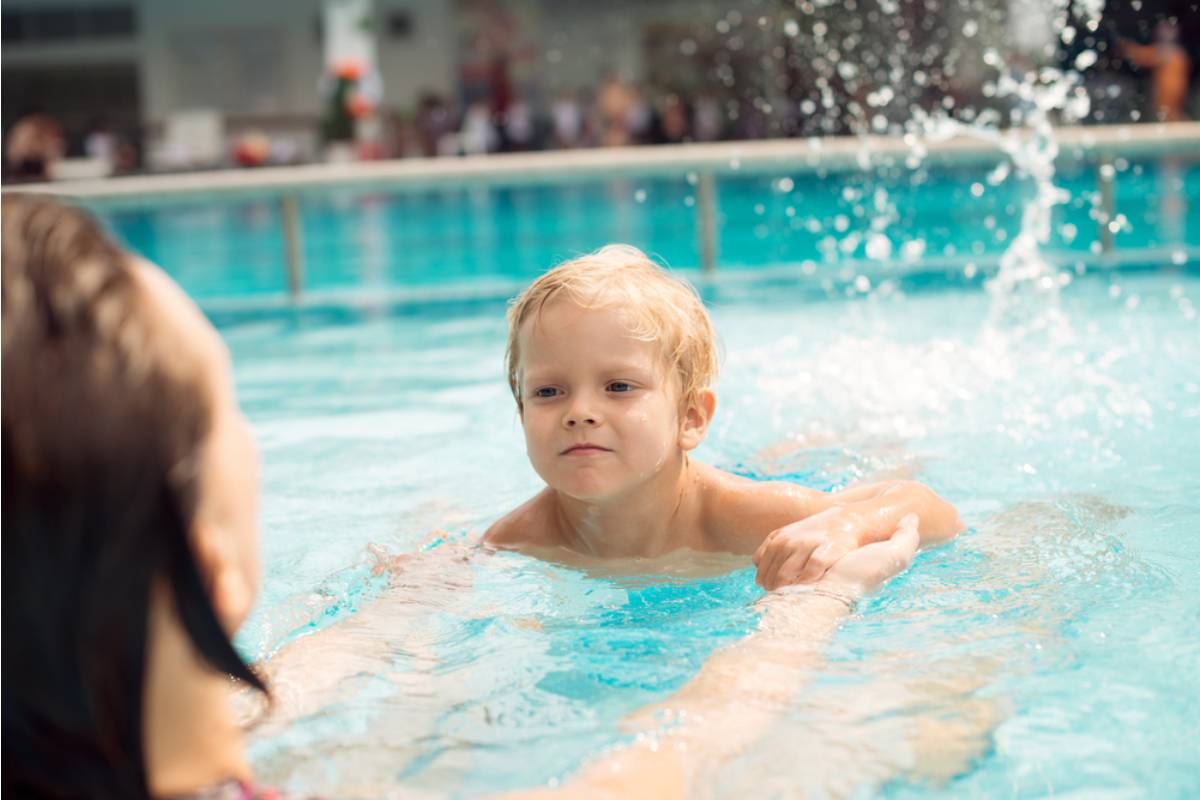
The afternoon was supposed to be an ordinary birthday pool party, the kind where children spend hours splashing around while parents keep one eye on the water and another on the snack table. A person shared his story about watching one small moment turn surprisingly uncomfortable when a young child clearly needed to use the bathroom. The child was around five years old and appeared to be getting increasingly desperate, but his mother didn’t immediately take him looking for a restroom. Instead, she eventually gave him instructions that left another parent nearby stunned.
The surprising part wasn’t simply that the child might have an accident. Kids sometimes get distracted, wait too long, or misjudge how badly they need to go, especially during an exciting pool party. What caught the storyteller off guard was that the bathroom wasn’t difficult to find at all. In fact, it was only about 10 feet away, making the mother’s choice feel less like an emergency solution and more like a deliberate decision.
The Child Was Clearly Running Out of Time
At first, the situation didn’t seem unusual enough to attract much attention. The child was playing, the party was happening around him, and his mother apparently knew he needed to pee. A person watching the scene said the mother ignored the need for quite a while, allowing the child to become increasingly desperate.
Eventually, the urgency was impossible to miss. Instead of immediately getting up and leading him to the bathroom, the mother reportedly told him she didn’t know where the restrooms were. She then suggested that he simply go in the pool and keep it a secret, which changed the entire tone of the situation.
The Restrooms Were Practically Next Door
The storyteller knew the mother’s claim wasn’t quite accurate. The restrooms weren’t hidden somewhere across the property or buried behind a maze of party decorations. They were literally around 10 feet away from where everyone was gathered.
That detail made the situation especially frustrating for the person who witnessed it. There was no long walk, no locked door, and no obvious emergency preventing the child from using the toilet. The solution was sitting almost within arm’s reach, yet the mother appeared determined to avoid it.
One Parent Finally Spoke Up
Rather than simply stand there and watch the child get told to use the pool, the person decided to help. They politely pointed out exactly where the restrooms were and explained that they were right there.
It wasn’t described as a confrontation or an angry lecture. The person simply offered useful information that could solve the problem in seconds. But the mother’s reaction reportedly made the exchange much more awkward than it needed to be.
The Sarcastic Thank You Changed Everything
According to the story, the mother responded with a drawn-out “thankkk you” that sounded anything but sincere. The sarcastic tone suggested that she wasn’t grateful for the information and may have felt irritated that someone had intervened.
Then came the part that left the observer genuinely baffled. After acknowledging the location of the restrooms, the mother reportedly turned back to her child and repeated the same instruction to go in the water and not tell anyone. The bathroom was still sitting just a few steps away.
The Child Had Been Trying to Do the Right Thing
Several responses from people focused on a detail that made the situation even sadder. The child hadn’t apparently been trying to misbehave or create a mess, and he was communicating that he needed to use the bathroom.
One response from a person said her own young child had actually been shocked when told it was acceptable to pee in a lake. Instead of happily taking advantage of the opportunity, the child apparently struggled with the idea because he had learned that peeing in swimming water wasn’t appropriate. That response suggested the boy at the pool party may have been stuck between what he knew was expected and what his mother was suddenly asking him to do.
A Lake Was Not the Same as a Pool
The discussion quickly moved toward an important distinction. A few people said they had no problem with children or adults peeing in a lake or the ocean under certain circumstances, especially when bathroom access was difficult.
The reasoning was that a huge natural body of water is very different from a relatively contained swimming pool. One person pointed out that lakes and oceans are enormous compared with pools, and natural environments contain biological processes that don’t work the same way as a treated pool system. That distinction became one of the most repeated themes in the responses.
One Child Took the Instruction Very Literally
One particularly funny response from a person described what happened when they gave their own son permission to pee in a lake. Instead of simply going while standing in the water, the child backed up until the water reached his knees, pulled down the front of his shorts, and deliberately peed into the lake.
The story was funny because the child seemed determined to follow the rules exactly as he understood them. Another person said her child had done nearly the same thing at the beach. The anecdotes highlighted how differently young children can react when adults suddenly change a rule they’ve always been taught.
Some Kids Simply Refused
Not every child needed convincing in the other direction. A number of people said their children simply would not pee in the ocean, lake, or any other body of water that people regularly used.
One person admitted the problem wasn’t really about manners at all. They said they personally struggled to pee in the ocean and couldn’t simply make their body cooperate because someone told them it was acceptable. Even as an adult, the mental barrier could apparently be surprisingly strong.
A Five-Year-Old Needed Ten Minutes of Encouragement
Another person shared a story from a family holiday in France that sounded almost like the opposite of the pool incident. Their five-year-old needed to pee while they were in the sea, and the parent explained that she could go there.
Instead of immediately taking the opportunity, the child apparently needed about 10 minutes of reassurance before believing she truly had permission. The parent even joked that the girl seemed worried she’d get into trouble for doing something she had been taught was wrong. That contrast made the pool story seem even stranger, because the mother there wasn’t easing a child past a hesitation. She was actively encouraging something the child hadn’t asked to do.
Wetsuits Created Their Own Problem
One response came from a person whose children wore wetsuits regularly. They said their kids initially found the idea of peeing in the water unpleasant, but wearing a full-length wetsuit created a practical problem.
Getting a wetsuit off and back on can be a hassle, particularly for young children who need a bathroom quickly. In that situation, peeing in the water could become an accepted part of the activity rather than an act of laziness. The difference, again, seemed to be context and necessity.
The Splash Pad Story Was Even Stranger
Just when the pool discussion seemed strange enough, a separate story raised the stakes. A person said they had recently watched a toddler tell her mother that she needed to pee at a splash pad.
Instead of taking the child to a restroom, the mother reportedly told her to squat over one of the water sprayers. The little girl appeared confused and didn’t immediately cooperate, while the mother continued urging her to do it. According to the storyteller, the restroom wasn’t far away, making the scene seem like another example of an adult choosing the most questionable shortcut available.
Then Someone Mentioned the Water Was Recirculated
A response from a person suddenly introduced a detail that made the splash pad story particularly unpleasant. They pointed out that the water in such facilities may be recirculated rather than simply flowing away after touching the ground.
That realization appeared to surprise several people who hadn’t thought about what happens to the water after children play in it. The conversation took a sharp turn as people began imagining a splash pad where toddlers and other kids were sitting or peeing directly into the water system. What had started as a debate about manners suddenly became a much bigger hygiene discussion.
The Chlorine Debate Got Heated
Someone identifying themselves as a certified pool operator added another technical point. They explained that the strong smell associated with some pools isn’t necessarily evidence of a huge amount of free chlorine and said compounds formed when chlorine reacts with contaminants can contribute to that familiar odor.
Another person pushed back against an overly simple explanation, noting that chlorine can interact with many forms of organic material, including sweat, body oils, and dead skin cells. The exchange showed that even when people agreed that peeing in pools wasn’t ideal, they didn’t necessarily agree on exactly why a pool might smell strongly of chemicals. The debate added a surprising layer of chemistry to what had started as a parenting etiquette story.
One Person Said They’d Rather Judge
Not everyone was interested in finding a charitable explanation for the mother’s decision. One response from a person openly said they had no problem judging other parents in situations like this.
Another person described the behavior as gross and drew a clear line between accidents and deliberate choices. Their point was fairly simple: children sometimes pee in pools by mistake, but knowingly encouraging a child to do it when a bathroom is immediately available feels entirely different.
Some Parents Had Seen It at Private Pools Too
The original situation wasn’t unique, according to several responses. One person remembered a friend telling her own four-year-old daughter to pee in a private backyard pool, despite the house having a bathroom directly off the pool area.
Another response from a person said that the more they thought about the behavior, the more they suspected adults were probably responsible for far more pool peeing than people wanted to admit. They described watching several young girls spend four or five hours swimming without anyone apparently taking a bathroom break, even though a bathroom was nearby.
The Bigger Problem Was What the Child Was Learning
This is where the story became more than a complaint about one unpleasant pool habit. The child was being given a message about what to do whenever nature called, and young children tend to absorb those messages quickly.
A response from a person described appreciating pools that regularly clear everyone out of the water so kids can use the restroom and drink some water. Those forced breaks can remove the temptation to keep swimming until a child is desperate. In that sense, the mother’s decision wasn’t just about what happened that afternoon, but potentially about teaching a habit that could follow the child elsewhere.
The Twist Wasn’t the Peeing
The strangest twist in the whole story wasn’t that a child might have peed in the pool. The real surprise was that the parent had an easy alternative sitting just 10 feet away and still chose to tell the child to use the water.
That tiny detail transformed the entire incident. An accident could have been understandable, and a remote beach or difficult-to-reach lake could have provided context, but this was a birthday pool party with a nearby restroom. The person who witnessed it went from quietly observing to politely giving directions, only to watch the mother repeat the same instruction anyway.
The Responses Showed How Divided People Are About Water
By the end of the discussion, people had drawn a surprisingly clear line between pools and natural bodies of water. Lakes and oceans were often treated as a practical option by people who lacked convenient bathroom access, while pools were overwhelmingly viewed as a place where people should make the effort to use the restroom.
The funniest part was that many young children seemed to understand that distinction better than the adults causing the debate. Some kids refused to pee in natural water because they’d been taught not to, while others needed lengthy reassurance before believing they were allowed. Meanwhile, the child at the birthday party was simply being told to ignore the nearest bathroom and keep his secret.
The Bathroom Was Still Waiting Ten Feet Away
The image that remained with the storyteller was probably the simplest one of all. A little child needed to pee, a parent was standing nearby, and the correct solution was practically within touching distance.
Instead of turning the situation into a frantic emergency, the mother could have walked the child a few steps and been done with it. Instead, the moment became an uncomfortable lesson in how one parent’s idea of convenience can collide with another person’s idea of basic pool etiquette. And judging by the responses, plenty of people watching from the sidelines would have made the same judgment.