A Mom Says Her 7-Year-Old Complained That Her Hand Hurt After School, and She Couldn’t Have Been Happier About the Reason

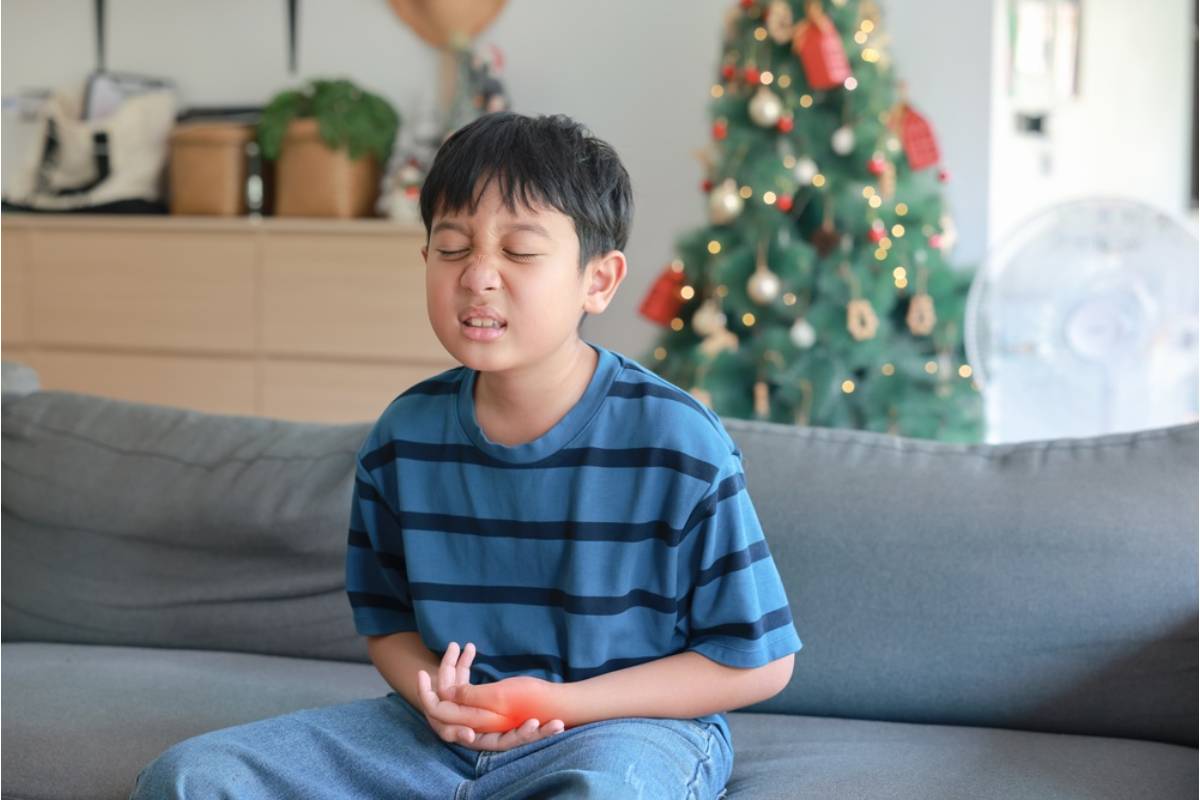
A mom was caught off guard when her 7-year-old daughter came home from school complaining that her hand hurt. Her first thought was that something had happened during one of the child’s favorite activities, especially since the girl loved swinging across the monkey bars with surprising strength. The complaint sounded serious enough to make any parent pause and start searching for an explanation.
The little girl, however, had a very different explanation ready. She wasn’t injured, hadn’t fallen, and hadn’t spent the afternoon climbing playground equipment. Instead, she had spent what sounded like an exhausting amount of time doing worksheets and coloring. The explanation immediately changed the mood at home.
The Monkey Bars Were Innocent
The mom had guessed that all the climbing and swinging might have finally caught up with her daughter. The child was apparently so comfortable on the monkey bars that she looked almost like a tiny acrobat while moving from one bar to another. It seemed perfectly reasonable to suspect that her hands had simply been overworked from all that playground activity.
But the girl quickly rejected that theory. She explained that the monkey bars weren’t responsible at all because the real culprit was schoolwork. Her hand, she revealed, had been working overtime on pencils, worksheets, and coloring.
Worksheets Were the Real Culprit
According to the child, the class had completed a huge number of worksheets that day. She described them with the kind of dramatic frustration only a tired second grader can produce, especially when every single page apparently included some coloring too. To her, the workload felt endless.
Her mom initially wondered whether the teacher had gone a little too far. The teacher already had a reputation among parents and students for being tough, so a sore hand after schoolwork sounded like something worth thinking about. Yet the more details came out, the more the mom saw something surprisingly positive in the situation.
The Mom Had an Unexpected Reaction
Instead of panicking, the mom eventually found herself feeling almost proud. She realized that her daughter had spent the school day doing something many children don’t get nearly as much of anymore. Her hand was tired because she’d actually been writing, drawing, and working with paper.
That realization produced an unusual parenting moment. Usually, hearing that a child was experiencing pain after school would send a parent straight into concern mode. This time, however, the source of the complaint made the mom unexpectedly happy.
A Sore Hand Felt Like a Victory
The mom compared the experience to athletic training. Just as young athletes repeatedly use their muscles to build skill and stamina, her daughter was using the small muscles involved in writing and coloring. The comparison made the sore hand seem less like a complaint and more like evidence that those skills were being practiced.
She also connected the moment to her own childhood. She remembered developing a callous on her hand from writing, something she still carried years later. It wasn’t exactly a prized childhood souvenir, but she admitted that it didn’t bother her and wondered whether her daughter’s experience was simply another version of that familiar school routine.
Then the Conversation Turned to Screens
The real source of the mom’s excitement became clearer when she compared the situation with another possibility. She’d much rather hear that her daughter’s hand was tired from pencil-and-paper work than learn that the child’s eyes were exhausted from staring at a screen all day. That contrast made the ordinary worksheets suddenly seem much more valuable.
The idea struck a nerve with other parents as well. A response from a person joked that the attention-grabbing title had initially made the situation sound much more alarming than it was, but agreed that replacing screen time with actual pencil-and-paper work felt like a major win. The discussion quickly moved beyond one child’s sore hand and into a much larger conversation about how children learn.
The Mom Called It Hand Training
The mother leaned into the athletic comparison even more strongly. She imagined her daughter building up the hand strength and endurance necessary for a lifetime of reading and writing, almost as though the classroom were functioning like a training gym. For a parent who cared deeply about literacy, the idea was especially satisfying.
She even described her daughter as flexing those hand muscles. The wording was playful, but there was a serious point underneath it. The mom saw repeated writing and coloring not as pointless busywork, but as practice for skills that children would continue relying on for years.
Coloring Suddenly Looked Different
One response from a person pointed out something that adults can easily overlook: coloring can actually be schoolwork. That simple observation added another layer to the story because the child had treated all that coloring as one more irritating task attached to every worksheet. Her mother, however, could see why the activities might have a purpose.
Another response suggested that schools may be compensating for skills children aren’t always practicing at home. With tablets and digital entertainment taking up so much time, traditional activities such as coloring can become less common outside the classroom. Suddenly, the seemingly endless pages of coloring looked less like filler and more like deliberate practice.
A Tablet Entered the Conversation
Then another parent shared a much different experience. That parent was frustrated after a kindergartener was introduced to a tablet during the very first week of school. Compared with the original mom’s excitement over worksheets and coloring, the contrast was almost comical.
The discussion revealed how differently families can feel about technology in elementary education. Some parents see educational tablets as useful tools, while others wonder why young children need them when paper, pencils, books, games, and hands-on activities can accomplish so much. The sore hand suddenly became part of a much bigger debate.
Parents Questioned the Purpose of Screen Time
A response from a person questioned whether tablets really offered benefits that traditional paper-and-pencil work couldn’t provide at that age. Another concern was the explanation sometimes given by schools that children need tablets to prepare for computerized standardized testing. To some parents, that justification didn’t seem especially convincing.
The conversation even turned toward the idea of computer labs. One person argued that if children eventually need technology skills, dedicated computer time might make more sense than putting tablets into their hands at very young ages. The original story had started with one sore hand, but it was now raising questions about the entire balance between traditional learning and digital learning.
A Teacher Added an Important Twist
Then came a response from a person who identified themselves as an elementary teacher, and the situation became more complicated. The teacher explained that individual classroom teachers often don’t get to decide how much screen time students receive. District policies and the curriculum selected by administrators can have a much bigger influence.
According to that response, one district had publicly promised to reduce screen time while also purchasing a curriculum that actually required more digital work than the previous one. That created a frustrating situation in which teachers could become the ones receiving complaints from parents about decisions they hadn’t made. Suddenly, even the hardworking teacher described as tough in the original story looked less like the central character and more like one small piece of a much bigger system.
Not Everyone Thought More Writing Was Better
Just when the conversation seemed to be settling into praise for pencils and paper, another perspective complicated things again. A person shared that their child’s teachers had specifically warned that holding a pencil for too long could be hard on young hands because children’s bones and muscles are still developing. Their school was screen-free, but that didn’t mean children spent hours continuously writing.
Instead, the school mixed short periods of pencil work with outdoor activities, play, music, and games connected to the lessons. That approach offered a useful middle ground between two extremes. It suggested that the goal shouldn’t necessarily be maximum writing or maximum screen avoidance, but thoughtful variety.
Week One Made the Sore Hand Less Mysterious
The mom also realized that it was only the first week of school. Her daughter was coming back from summer vacation and suddenly being asked to use skills in a structured classroom routine again. That made the unusual amount of writing feel less mysterious.
She wasn’t necessarily celebrating pain itself. What made her happy was the reason behind it and what the complaint represented to her. After a summer away from the classroom, the child was once again reading, writing, coloring, and working with physical materials.
The Child’s Frustration Became the Best Part
There was something unintentionally funny about the girl’s complaint. She wasn’t proudly announcing that she’d completed hours of literacy practice or strengthened her fine motor skills. She was essentially informing her mother that school had the audacity to make her color too much.
That childlike frustration was exactly what made the story so charming. Adults could look at the same afternoon and see valuable practice, while a 7-year-old simply saw an unreasonable number of worksheets. The difference between those two perspectives gave the entire story its playful twist.
A Tiny Complaint Carried a Bigger Message
By the end of the conversation, the sore hand had become symbolic of something much larger. It represented the old-fashioned physical work involved in learning, from gripping a pencil to forming letters and coloring within spaces. Those skills can seem ordinary precisely because children have been practicing them for generations.
For the mom, that was the part worth celebrating. She wanted her daughter to grow up comfortable with reading, writing, and learning, and the complaints of one tired hand suggested that those activities were happening in real life rather than existing only as educational goals on paper. The pain wasn’t the achievement, but the effort behind it was.
Then Came the Callous Confession
The mom’s memory of her own childhood added one last personal detail. She still had a callous on her hand from years of writing, and she suspected it probably came from less-than-perfect technique. She hadn’t thought about it much until her daughter arrived home with a similar complaint.
That little connection between generations gave the story an unexpectedly warm ending. A seemingly annoying classroom routine had reminded the mother of her own school days while giving her a glimpse of what her daughter was experiencing. The sore hand suddenly felt less like a problem and more like a strange little family echo.
The Real Victory Wasn’t the Pain
The biggest twist was that nobody actually needed to celebrate a child’s discomfort. The mom’s happiness came from what the discomfort appeared to reveal about her daughter’s day. Instead of spending the entire school day passively consuming digital content, the girl had been physically engaged with her lessons.
Responses from other people made clear that there isn’t one perfect answer for every classroom. Children need writing practice, but they also need movement, play, music, technology, and opportunities to learn in different ways. The story’s surprising lesson was that the best classroom may not be the one with the fewest screens or the most worksheets, but the one that uses each tool thoughtfully.
A Sore Hand Became a Proud Parent Moment
What began with a worried question about why a little girl’s hand hurt ended with her mom feeling strangely proud. The daughter had unknowingly given her mother a snapshot of a school day filled with worksheets, coloring, and old-fashioned pencil work. To the child, it was exhausting, but to her mother, it was proof that something she valued deeply was happening.
And that was the funny part of the whole story. A child walked through the door expecting sympathy for her aching hand and instead gave her mom a reason to celebrate. Sometimes a parenting victory arrives disguised as the exact complaint a child thinks should make everyone feel sorry for her.