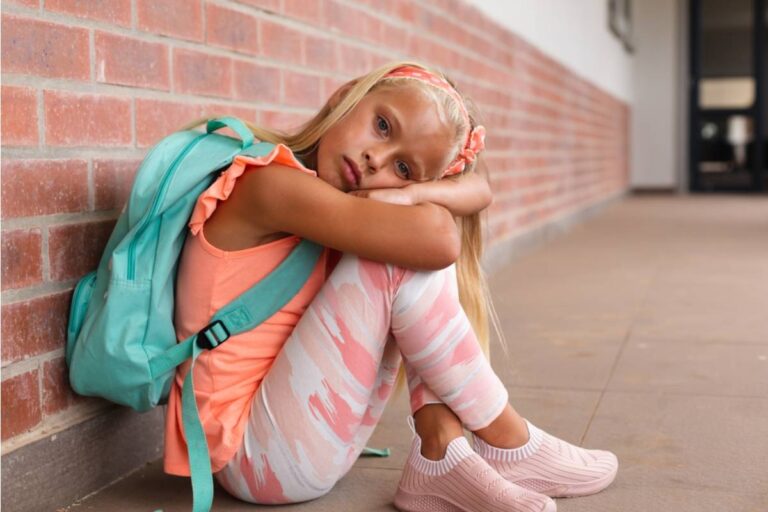
A Mom Says Her Child Refuses to Participate in Family Group Photos Unless Everyone Stops Commenting on Their Appearance

It started with a simple request during a holiday gathering that nobody thought would turn into a long argument. The child said they did not want to be in the group photo unless people stopped commenting on how they looked. At first, the adults laughed it off as a phase. But the child did not move when everyone gathered near the living room wall. The camera stayed unused that day. And the silence around it lingered longer than anyone expected.
The First Refusal
The moment happened during a birthday dinner at home. The mother called everyone together for a family picture like she always did. When she asked the child to come over, they stayed seated. She repeated herself, thinking they did not hear. The child said they would not join if comments about appearance continued. The room went quiet in a way that felt unfamiliar.
Comments That Went Unnoticed Before
Later that night, the mother tried to recall the kinds of comments being referred to. She remembered small remarks about hair, clothes, posture. Things she had always thought were harmless. The child said it happened every time a camera came out. They said it made standing there feel uncomfortable before the photo even started. That explanation changed how the mother remembered past gatherings.
The Family Reaction
The father thought it was an overreaction and said family photos were just tradition. He said people always make comments and it is not meant badly. An aunt visiting for dinner said she never thought the child looked uncomfortable before. The child responded that they had just learned to hide it. That sentence made some relatives shift uncomfortably in their seats.
The First Attempt to Fix It
The mother suggested a compromise during a later visit. She said they could try taking photos without comments first. Everyone agreed, though some sounded unsure. When the camera came out again, there was a moment of hesitation. One relative almost said something but stopped mid sentence. The photo was taken quickly, without much conversation afterward.
An Unexpected Absence
A few weeks later, during another family event, the child did not come out for pictures at all. They stayed in their room while others gathered. The mother went to check on them and asked if they would reconsider. The child said they needed more than just silence during photos. They wanted respect around appearance all the time, not just during pictures. That distinction surprised her.
Friends Start to Notice the Change
Outside the family, friends of the child noticed they were avoiding group photos altogether. When asked why, the child explained it was not about photos themselves. It was about feeling evaluated every time a camera appeared. Some friends understood immediately, others did not fully get it. The child stopped trying to explain it repeatedly after a while. It became easier to simply step aside.
The Mother Reflects Quietly
The mother started paying attention to how often appearance came up in conversations. She noticed compliments often carried comparisons or judgments. Things she had never questioned before started feeling different. She wondered if the child had been hearing more than she realized. That thought made her uncomfortable in a way she did not expect.
A Family Meeting No One Planned
During a weekend visit, the father suggested sitting down to “clear things up.” The child agreed but looked guarded. The conversation started tense, with everyone trying to explain their perspective. The child said it was not about one photo but about a pattern. The relatives began to realize it was less about the camera and more about everyday comments.
The Turning Point Argument
The discussion escalated when a relative said they were only trying to be honest. The child responded that honesty did not need to be constant evaluation. Voices rose slightly, then stopped again. The mother asked everyone to pause and listen without reacting. That moment shifted the tone from defending to actually hearing.
A New Rule in the House
After that day, the mother suggested a simple change. No more comments about appearance during family photos. At first, it felt unnatural to everyone. But slowly, people adjusted. The camera came out more often again, but the atmosphere was different. It was quieter in a way that felt more intentional.
The First Photo That Felt Normal Again
Months later, another family gathering took place. The child stood in the group without hesitation. No one commented on hair, clothes, or posture. The photo was taken without discussion or interruption. When they looked at it later, it did not feel tense or staged. It just felt like a normal moment captured.
What Changed Afterward
The mother realized the biggest change was not the photos themselves. It was how the family spoke to each other outside of them. The child seemed more willing to join moments without anticipating judgment. Conversations became less about appearance and more about experiences. It was not a perfect shift, but it was noticeable. And for the first time in a long while, group photos stopped feeling like a negotiation.