A Mom Says Her Child Was Told to “Figure It Out Alone” After Asking for Help, and It Didn’t Sit Right With Her

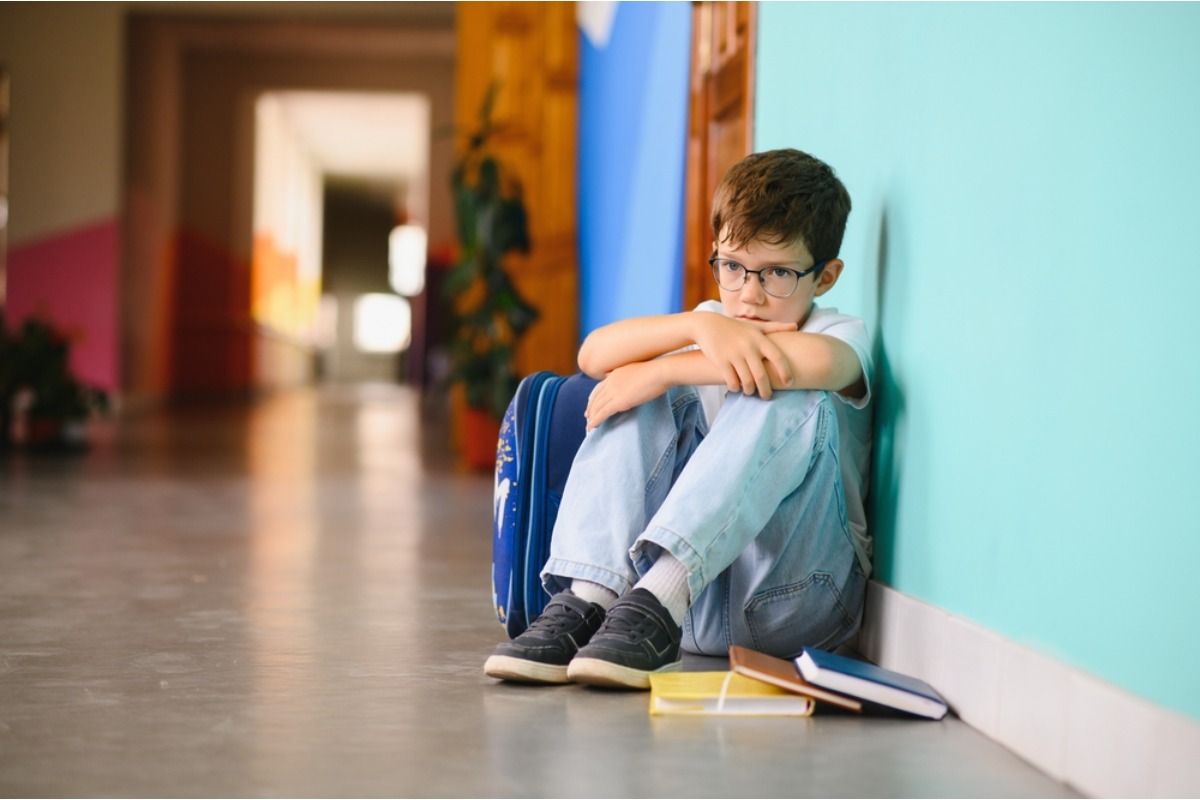
A mom says her child was told to “figure it out alone” after asking for help, and it has left her questioning whether the response supported learning or simply shut the child down.
Asking for Help Is Part of Learning
Children are still developing problem-solving skills, so asking for help is a normal part of the process. When a child reaches out, it often means they are trying to understand something rather than avoid effort. A response that feels dismissive can discourage future questions. Over time, this may reduce confidence in learning situations.
Independence Needs the Right Balance
Encouraging independence is important, but it has to match the child’s stage of learning. Too much pressure to “figure it out alone” can feel overwhelming. Children learn best when guidance is available alongside challenge. Support and independence work together. One without the other can create frustration.
The Way Feedback Is Delivered Matters
Even if the intention is to encourage thinking, the tone and timing of the response can change how it is received. A short dismissal may feel like rejection rather than motivation. Children are sensitive to how help is given or withheld. Communication style affects emotional response. Delivery shapes learning experience.
Confidence Can Be Affected
If a child is repeatedly told to manage alone without guidance, they may stop asking questions altogether. This can lead to confusion building over time. Instead of learning, they may guess or give up. Confidence in participation can drop. Feeling unsupported impacts engagement.
Teachers May Be Encouraging Problem-Solving
In some cases, teachers use this approach to push students toward critical thinking. The goal may be to help children work through challenges independently. However, it needs to be balanced carefully. Without explanation, it can feel harsh. Intent and impact may not align.
Not All Students Learn the Same Way
Some children need step-by-step guidance, while others learn better through exploration. A single approach doesn’t fit every student. Recognizing learning differences is important in classrooms. Flexibility helps support all learners. Rigid responses can miss individual needs.
Emotional Response Is Still Important
Even if the academic intention is valid, the emotional experience matters too. A child who feels dismissed may become less willing to participate. Emotional safety supports learning. Encouragement helps persistence. Feelings influence performance.
Parents Often Seek Context
When situations like this happen, parents usually want to understand why the response was given. Without context, it can feel unfair or overly strict. A simple explanation can change perception. Communication bridges gaps. Clarity reduces concern.
Opportunities for Better Guidance Exist
Instead of full independence, some situations may benefit from guided questioning or hints. This helps children think without feeling stuck. It supports learning while maintaining independence. Small support can make a big difference. Balance is key.
A Wider Conversation About Support in Education
This situation reflects ongoing discussions about how much help is appropriate in classrooms. Educators are balancing independence with support in different ways. There is no single correct approach for every moment. The goal is effective learning. Finding balance remains important.
As more parents share experiences like this, the focus continues to shift toward ensuring that encouragement of independence doesn’t come at the cost of a child feeling unsupported or discouraged from asking for help.