A Mom Says Her Daughter Was the Last One Picked for a School Project Group, and the Teacher Just Wrote “Improve Social Skills” on Her Report Card

When Jennifer opened her daughter Maya’s report card, she expected the usual comments about academics and classroom participation. Maya had always earned strong grades and completed every assignment on time. One handwritten note, however, stopped Jennifer in her tracks.
Under teacher comments, it simply read, “Improve social skills.” The remark seemed especially confusing because only a few days earlier Maya had quietly admitted she was the last student chosen for a major class project. Jennifer suddenly wondered whether the comment described the problem or completely misunderstood it.
The Project Groups Formed in Silence
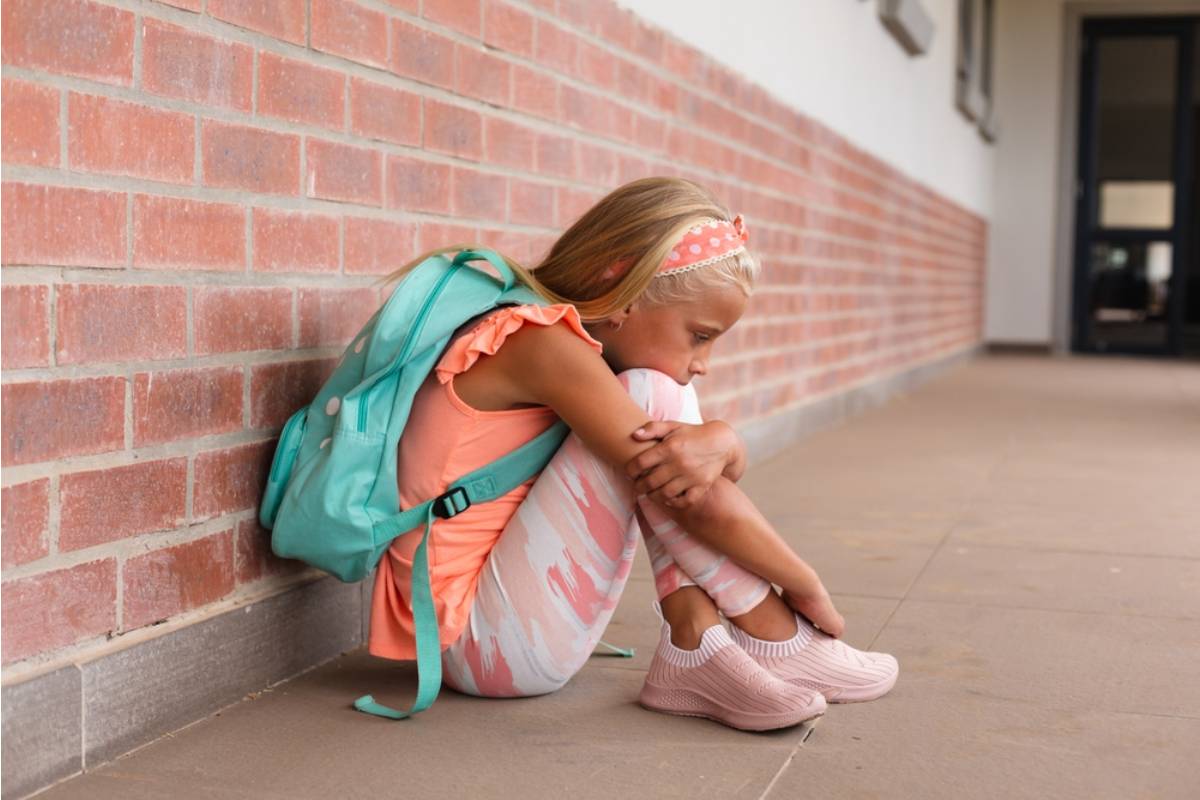
Maya explained that her teacher allowed students to choose their own project partners before assigning the remaining students to groups. One by one, classmates gathered with their friends while Maya stayed seated, pretending to organize her notebook. She kept expecting someone to wave her over, but no invitation ever came. Eventually every group had reached its limit except one. The teacher simply pointed to the empty chair and told Maya where to sit.
An Afternoon That Ended in Tears
Jennifer noticed Maya unusually quiet after school that day. Instead of talking about her classes, she disappeared into her bedroom and claimed she was tired. Later that evening, Jennifer found her wiping away tears while finishing the project outline alone because the rest of her group had already divided the work without asking her opinion. Maya insisted everything was fine, but her voice suggested otherwise. Jennifer realized something much deeper than one awkward classroom moment had happened.
The Report Card Made It Worse
When the report card arrived, Jennifer immediately connected the teacher’s comment to the group project experience. She wondered how a child who had just experienced public rejection could be told the solution was simply to improve her social skills. The wording felt less like guidance and more like blame. Jennifer decided she needed to understand how the teacher had reached that conclusion. She requested a meeting before making assumptions.
The Teacher Shared Her Perspective
During the conference, Maya’s teacher described her as polite, hardworking, and exceptionally quiet. She explained that Maya rarely started conversations and almost never volunteered to join classmates during group activities. From the teacher’s point of view, encouraging stronger social skills seemed like reasonable advice. Jennifer listened carefully but asked whether the teacher had noticed what actually happened during the project selection. The teacher admitted she had not viewed it from Maya’s perspective.
Another Parent Added a Missing Piece
After the meeting, Jennifer spoke with another mother whose son happened to be in Maya’s class. She learned that several students wanted to work with Maya because she was dependable, but they assumed she already had another group in mind since she never approached anyone. At the same time, Maya believed nobody wanted her because nobody invited her first. A misunderstanding had quietly shaped the entire classroom dynamic. Neither side realized what the other was thinking.
Maya Finally Described What She Felt
That evening, Jennifer gently asked why Maya never walked over to a group herself. Maya admitted she had tried doing that earlier in the school year but interrupted conversations where students had already made plans. Although nobody had been openly rude, she remembered feeling like she had invited herself somewhere she was not wanted. Since then, she preferred waiting rather than risking that embarrassment again. Jennifer understood that caution had slowly turned into isolation.
The Counselor Asked Different Questions
The school counselor met privately with Maya the following week. Instead of focusing on making more friends, she asked how Maya felt during social situations. Maya admitted she worried constantly about bothering people or saying the wrong thing. She often rehearsed simple conversations in her head until the opportunity had already passed. The counselor recognized that Maya’s struggle was rooted more in anxiety than a lack of interest in others.
The Group Project Took an Unexpected Turn
As presentations approached, Maya’s group discovered that much of their research contained conflicting information. While everyone argued about how to fix it, Maya quietly pointed out several reliable sources she had found while completing her assigned section. Her suggestions solved the biggest problems in the presentation. The same classmates who had barely acknowledged her earlier suddenly relied on her knowledge. Their attitude toward her shifted almost immediately.
A Classmate Admitted the Truth
After class, one student named Olivia approached Maya privately. She confessed that nobody had intentionally left her out during group selection. Many students simply assumed Maya preferred working alone because she rarely spoke unless a teacher called on her. Olivia apologized for never asking instead of assuming. That conversation became the beginning of an unexpected friendship.
The Teacher Reflected on the Comment
Following several discussions with the counselor and Jennifer, the teacher revisited the report card comment. She admitted the wording failed to capture what Maya was actually experiencing. Rather than recognizing that classroom structures might contribute to social exclusion, she had focused only on Maya’s behavior. She thanked Jennifer for bringing another perspective without attacking her personally. The experience changed how she planned future group assignments.
A Different Approach in the Classroom
For the next major project, the teacher assigned groups through a structured activity instead of allowing students to choose freely. Every student had an opportunity to work with classmates they might not normally meet. Maya contributed confidently from the beginning because nobody felt like an outsider joining an established circle. Several students later commented that they enjoyed meeting classmates they had never worked with before. The classroom atmosphere became noticeably more welcoming.
The Next Report Card Carried a Different Message
At the end of the semester, Jennifer opened Maya’s new report card with mixed emotions. This time the teacher praised Maya’s thoughtful collaboration, leadership during projects, and growing confidence in classroom discussions. There was no mention of improving social skills. Instead, the comment highlighted how supportive learning environments help students participate more fully. Jennifer smiled because the words reflected understanding instead of judgment.
What Maya Remembered Most
Months later, Maya barely remembered the project grade itself. What stayed with her was the difference one conversation made after someone finally asked how she experienced the situation instead of assuming they already knew. Jennifer often thought about how easily quiet children could be misunderstood when adults focused only on what they saw on the surface. Maya had never lacked kindness or the desire for friendship. She simply needed someone to recognize that being left out and being unwilling to connect were not the same thing.