A Teacher Says Kids Are Bringing Personal Conflicts Into Class More Often, and It’s Becoming Harder to Manage

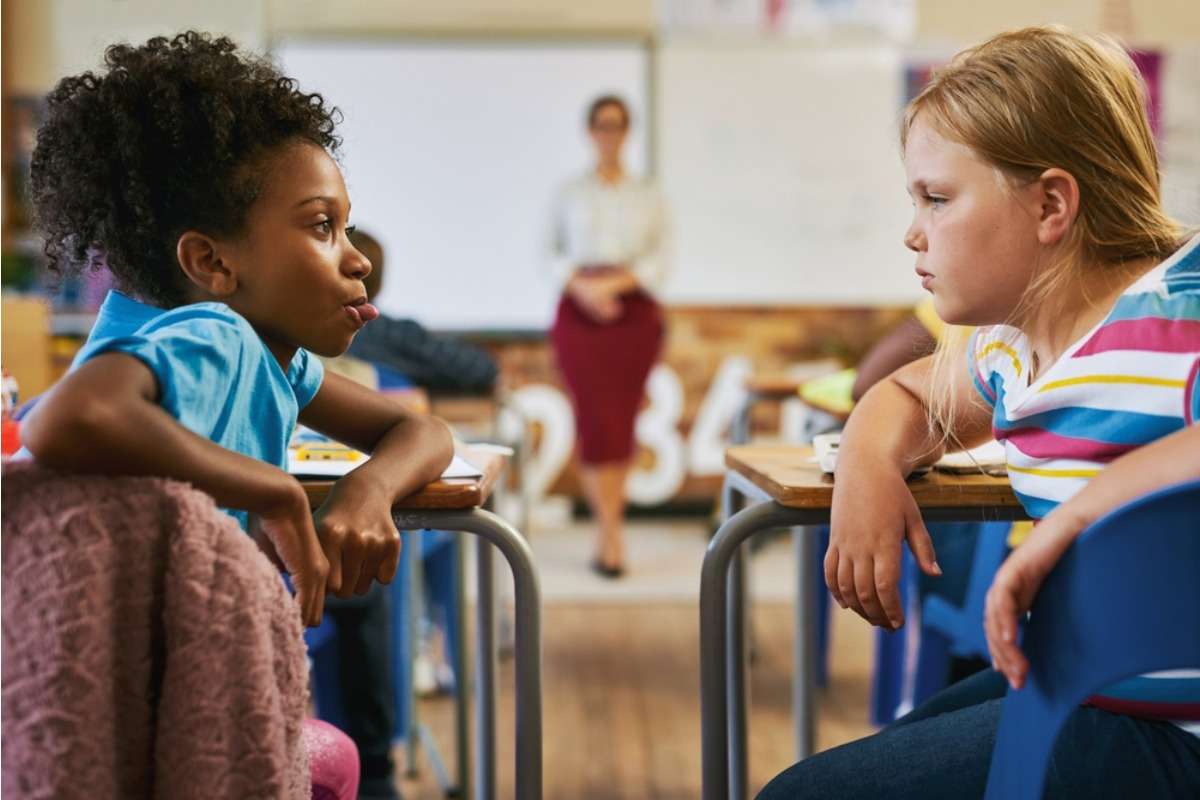
A teacher says personal conflicts between students are increasingly spilling into the classroom, and it’s making day-to-day management more difficult than before.
Classroom Issues Are Becoming Personal
Instead of leaving disagreements outside school, students are bringing ongoing disputes into lessons. Arguments between peers can interrupt learning time. Even minor disagreements can escalate quickly. The classroom becomes a continuation of outside conflict. This affects the overall learning environment.
Attention Shifts Away From Learning
When students are focused on personal issues, it becomes harder for them to concentrate on academic tasks. Conversations, tension, or side interactions can disrupt lessons. Teachers often have to pause instruction to address behavior. Learning time is reduced. Focus becomes fragmented.
Group Dynamics Are More Fragile
Friendships and peer relationships can change quickly, and these shifts are now more visible in class. Small misunderstandings can turn into ongoing tension. Students may refuse to work together or cooperate. Group work becomes more complicated. Social dynamics influence academics more strongly.
Emotional Regulation Is a Challenge
Some students struggle to manage emotions in real time, especially when they feel upset or wronged. Instead of resolving issues privately, emotions surface during class. This can lead to disruptions. Teachers often have to act as mediators. Emotional control affects classroom stability.
Teachers Are Acting as Conflict Managers
Beyond teaching, educators are increasingly stepping into conflict resolution roles. They may need to separate students, mediate disputes, or reset group behavior. This takes time away from instruction. The role becomes more demanding. Classroom management load increases.
Digital Communication Extends Conflicts
Many student conflicts begin or continue through messaging or social media. These issues then carry over into school. Online disagreements don’t stay online. They enter the classroom environment. Boundaries between digital and real life are blurred.
Impact on Classroom Atmosphere
Ongoing tension between students can affect the overall tone of the class. Other students may feel distracted or uncomfortable. It can reduce participation and engagement. The learning environment feels less stable. Atmosphere plays a key role in education.
Peer Influence Can Escalate Situations
Conflicts are sometimes fueled by group involvement, where other students take sides. This can increase pressure and intensify disagreements. Issues become wider than just two individuals. Peer dynamics amplify tension. Small issues grow larger quickly.
Schools Are Trying Different Approaches
Some educators are using restorative conversations or structured conflict resolution strategies. The goal is to address issues early before they enter class. Teaching students how to resolve disagreements is becoming more important. Prevention is prioritized. Skills development is part of the solution.
A Broader Behavioral Shift in Schools
This trend reflects a wider challenge in modern classrooms where social and emotional issues are more present during school hours. Teachers are adapting to manage both learning and interpersonal dynamics. The role of school is expanding. Education now includes behavior management. The environment is more complex.
As teachers continue to report more personal conflicts entering classrooms, the focus is shifting toward helping students manage disagreements earlier and more effectively so that learning environments remain stable and focused.