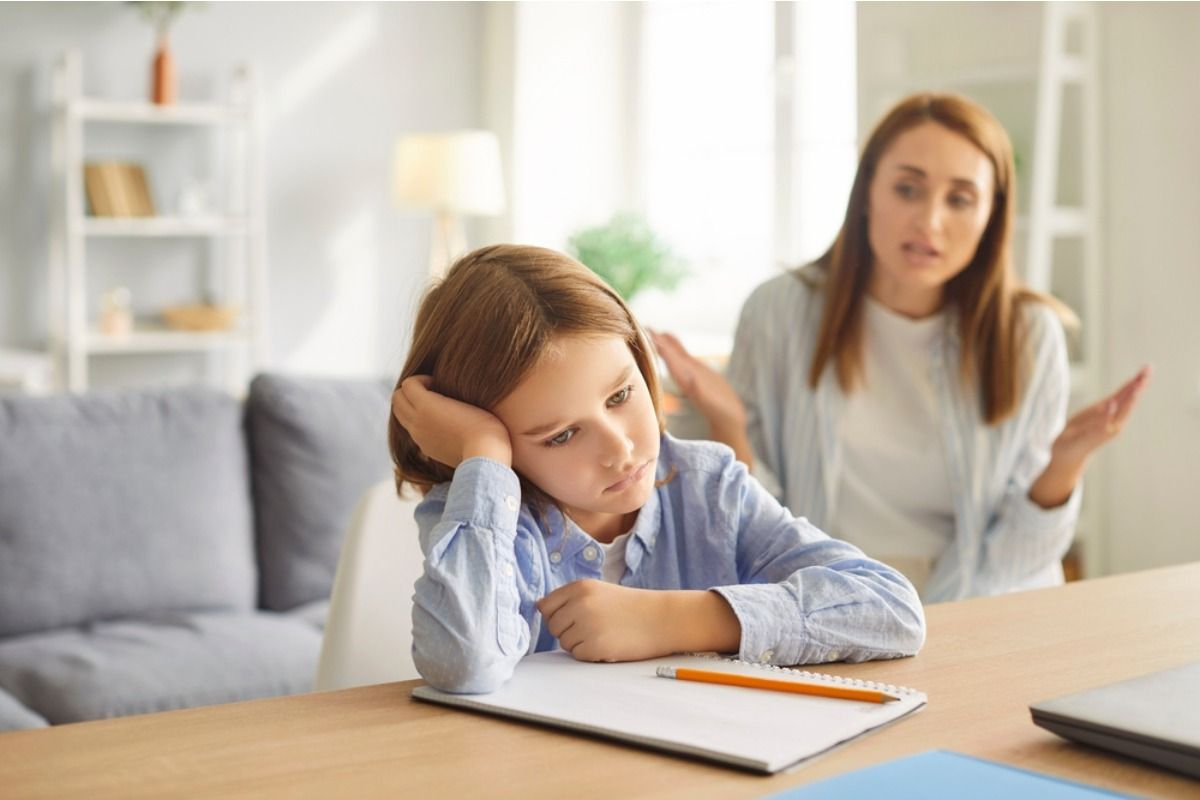
Mom Says Her Child’s Class Is Rewarding Silence Over Participation and Now She’s Worried About Confidence Issues

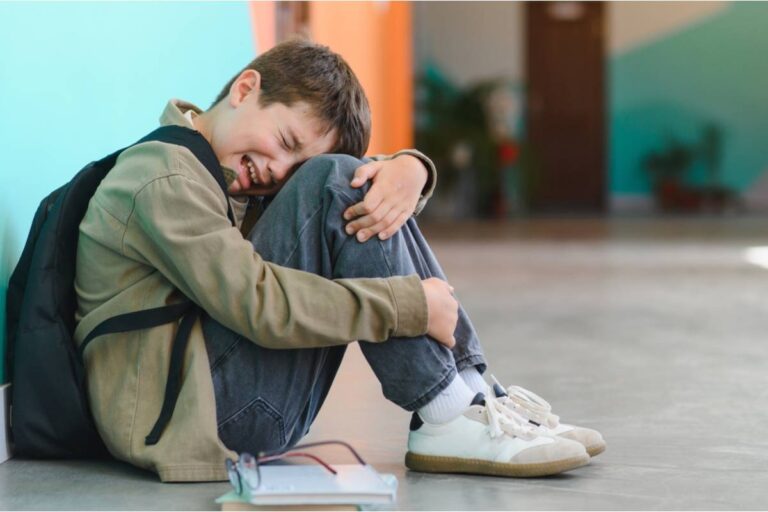
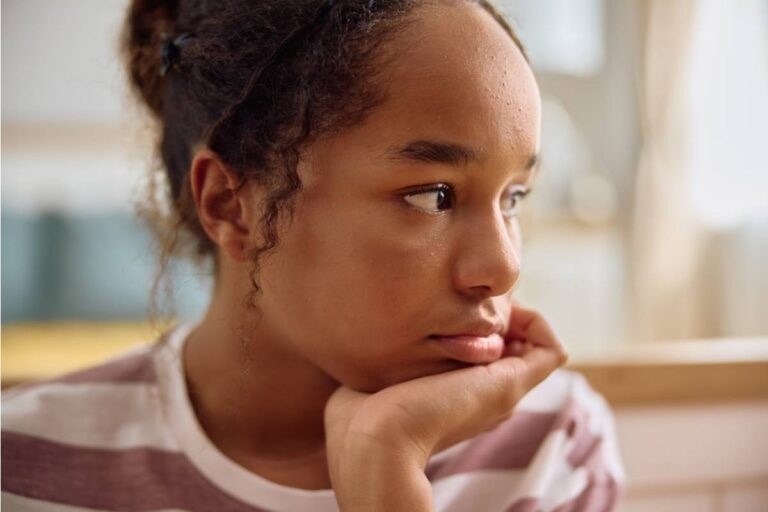
Some parents are raising concerns after noticing classroom environments where quiet behavior seems to be rewarded more than active participation. For children who learn by speaking up, this can feel discouraging and raise questions about confidence over time.
Silence Can Be Misinterpreted as “Good Behavior”
In many classrooms, being quiet is often linked with being attentive or well-behaved. While calm environments help learning, this can unintentionally send the message that speaking up is less valued. Children may begin to hold back even when they have ideas. Over time, they may equate silence with approval. This can shape how they engage in class.
Participation Builds Confidence
Answering questions, asking for help, and sharing thoughts are all part of developing confidence. When these behaviors are not encouraged, children may miss chances to practice expressing themselves. Confidence often grows through small, repeated interactions. Without those opportunities, it can develop more slowly. Participation plays a key role in communication skills.
Different Personalities Need Different Approaches
Some children are naturally quiet, while others are more expressive. A classroom that leans too heavily toward silence may suit some students but limit others. Balanced environments give space for both listening and speaking. Encouraging different styles helps all students feel included. One approach does not fit every child.
Fear of Being Wrong Can Increase
If students feel that speaking up draws attention or risk, they may avoid it altogether. This can create a fear of making mistakes publicly. Over time, this fear can reduce curiosity and willingness to try. Learning often involves trial and error. A safe space for mistakes supports growth.
Feedback Style Influences Behavior
How teachers respond to participation matters. Positive reinforcement for thoughtful answers—even if imperfect—encourages more engagement. If only quiet behavior is rewarded, children adjust accordingly. Feedback shapes classroom culture. Small signals can influence how students behave.
Long-Term Communication Skills Are Affected
Classroom participation helps children develop skills they will use later in life. Expressing ideas, asking questions, and engaging in discussion are important beyond school. Limiting these opportunities can have longer-term effects. Confidence in speaking often starts early. Practice is essential.
Parents Want a Balanced Environment
Most parents are not against structure or calm classrooms. Their concern is about balance. They want environments where listening and participation are both valued. Clear communication between teachers and parents can help address this. Understanding the classroom approach reduces worry.
Encouragement at Home Can Help
Even if classroom dynamics are not ideal, parents can support confidence at home. Simple conversations, asking open-ended questions, and encouraging opinions can build comfort with speaking. These habits reinforce expression. Confidence can grow in multiple environments.
The concern isn’t about quiet classrooms themselves, but about whether children feel equally encouraged to express themselves. When participation is supported alongside structure, it helps build both confidence and communication skills over time.