Parents Are Divided After a Birthday Party Turns Into a “No Parent Allowed” Event and Kids Start Comparing House Rules

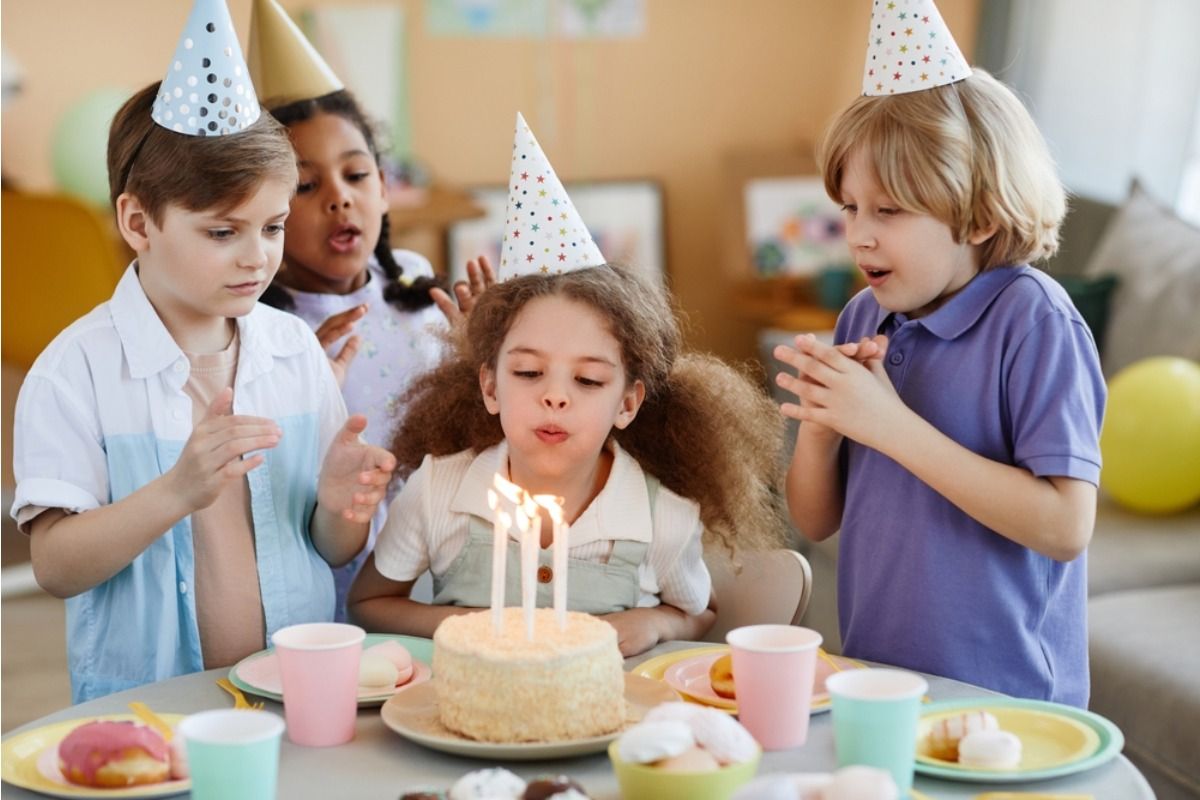
A birthday party that turned into a “no parent allowed” event has sparked debate among families, especially as kids began comparing house rules afterward. What started as a simple celebration has raised bigger questions about boundaries, supervision, and consistency between homes.
Independence vs. Supervision
Some parents see parent-free gatherings as a chance for kids to build independence and social confidence. Others worry about lack of oversight, especially depending on age. Comfort levels vary widely. What feels appropriate for one family may feel risky for another. This difference is at the center of the divide.
Kids Compare Rules Across Homes
After the event, many children begin comparing what they’re allowed to do at different houses. This can quickly turn into pressure at home. Phrases like “everyone else can” become common. These comparisons make existing rules feel stricter. It shifts the focus from safety to fairness in a child’s mind.
Boundaries Start Getting Challenged
When kids experience fewer restrictions elsewhere, they may push back more at home. Parents can feel their authority is being questioned. This doesn’t mean rules are ineffective, but it does create tension. Consistency becomes harder to maintain. Clear boundaries are tested in these moments.
Different Parenting Styles Become Visible
Events like this highlight how differently families approach supervision, freedom, and responsibility. Some prioritize structure, others flexibility. Neither approach is universally accepted. When these styles collide, it creates friction among parents. The contrast becomes more obvious through shared experiences.
Communication Between Parents Matters
Many of the concerns come from not knowing what to expect. Clear communication about rules, supervision, and expectations before the event could reduce misunderstandings. When parents are informed, they feel more comfortable. Lack of clarity often leads to frustration afterward.
Children Interpret Freedom Differently
Kids may see the event as a sign that more freedom should be normal. They don’t always recognize context, such as supervision behind the scenes or one-time exceptions. This can lead to unrealistic expectations. Managing that perception becomes part of the challenge for parents.
Trust and Responsibility Are Part of the Conversation
For some families, these situations open discussions about trust and responsibility. Instead of just saying no, parents may explain how privileges are earned over time. This can turn conflict into learning. It helps children understand boundaries more clearly.
No Single Approach Works for Everyone
The situation shows there isn’t one “correct” way to handle social events like this. Families will continue to make decisions based on their own values and comfort levels. Differences are unavoidable. The key challenge is managing those differences without ongoing conflict.
The debate isn’t just about one party, it’s about how outside experiences influence expectations at home. As kids compare rules, parents are left balancing independence, safety, and consistency in a way that works for their own family.