A Mom Says Her Daughter’s Coach Told the Girls That Anyone Who Cries During Practice Will Run Extra Laps, and Her Daughter Hasn’t Cried Since, Even at Home

She used to come home from practice talking nonstop, rehashing every drill and every joke her teammates made in the parking lot afterward. That changed almost overnight, not with a dramatic announcement but with a quiet shutting down that felt harder to notice at first.
Her mother thought it was just pressure from middle school sports getting more competitive, the usual growing pains everyone warned about. But then the silence started following her home, lingering through dinner and even into the late evening when she normally loosened up. It was not just that she was quieter, it was like she had learned how to disappear while still being in the room.
Morning drop off at the gym
Her mother noticed the girl was already holding her bag tightly before they even pulled into the parking lot. The gym looked normal from the outside, with other parents dropping off kids and exchanging quick smiles that felt practiced. The daughter did not ask her mother to come inside anymore, which used to be something she insisted on when she was younger. She opened the car door before the engine was fully off and stepped out without looking back. Her mother sat there for a moment longer than usual, watching her walk toward the entrance like she was already carrying something heavier than her backpack.
The rule introduced by the coach
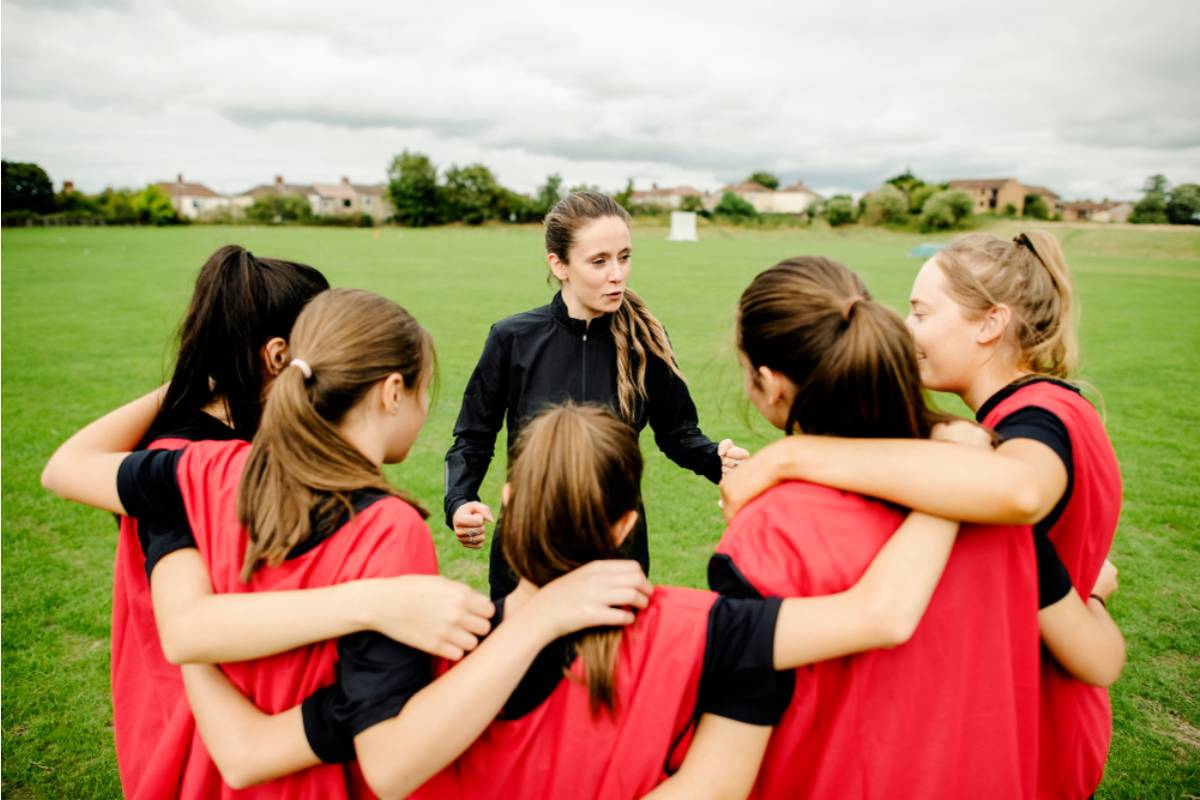
That week, the coach gathered the team before practice and spoke in a tone that made it clear he expected full attention. He told them that crying during practice would not be tolerated and anyone who did would be running extra laps. Some of the girls exchanged nervous looks, unsure if it was a joke or not. The daughter stared straight ahead, not reacting the way she normally would when rules were announced. When the coach asked if everyone understood, no one spoke up.
First practice run and the warning
The drills started harder than usual, with repeated sprints and quick direction changes that left several girls struggling to keep pace. One girl near the back slowed down and wiped her face quickly after stumbling. The coach immediately called her out and reminded the group about the rule again. The daughter kept running, but her expression changed in a way her mother would have recognized instantly if she had been watching. Something in her seemed to tighten rather than break.
Locker room silence after practice
After practice, the locker room was unusually quiet, with only the sound of bags zipping and water bottles being closed. The daughter sat on the bench for a long time before changing her shoes, staring at the floor tiles. A teammate tried to joke about how intense things were getting, but the comment faded without response. No one talked about the coach directly, even though it was clearly on everyone’s mind. When she finally stood up, she moved quickly like she wanted to leave before anyone could say more.
Ride home that felt different
On the drive back, her mother tried asking simple questions about practice, but the answers were short and flat. The daughter kept her eyes on the window, watching storefronts pass without really seeing them. At one point, her mother mentioned that she could talk if something felt too hard, but the girl only shrugged. The car felt unusually small, like the air inside had been reduced. By the time they got home, neither of them had said anything meaningful for almost ten minutes.
Dinner table question she would not answer
At dinner, her father asked if everything was going okay with the team this season. The daughter paused for a moment, then said it was fine without looking up from her plate. Her mother noticed she was eating slower than usual, as if every bite required thought. When the conversation shifted to weekend plans, she stayed quiet again, letting the adults fill the space. It was the first time they realized she was choosing silence instead of just falling into it.
The bathroom mirror moment
Later that night, her mother caught a glimpse of her standing in the bathroom, staring at herself in the mirror without moving. She was not crying, not speaking, just watching her own reflection like she was checking if something was still there. When her mother gently asked if she was okay, the girl quickly said yes and stepped away from the sink. The door closed softly, but the distance it created felt much larger than the space itself. Her mother stood in the hallway longer than she meant to before walking away.
School hallway observation
The next day at school, a friend mentioned that she seemed different, quieter in a way that did not match her usual energy. She laughed it off and said she was just tired, but the smile did not stay long. In the hallway between classes, she kept her head slightly down, avoiding eye contact more than before. Teachers still saw her as attentive, but not as engaged in conversations like she used to be. It was subtle enough that most people would not notice unless they had known her before.
Second practice escalation
At the next practice, the drills were even more intense, with less time to rest between sets. One girl struggled during a sprint and ended up sitting out briefly, holding her side and breathing heavily. The coach immediately reminded the group again about effort and consequences, his voice sharper than before. The daughter finished every drill without stopping, but her movements looked more mechanical than focused. When practice ended, she left the field faster than anyone else.
A teammate breaks down
During a conditioning set, another teammate finally broke down after missing a drill sequence repeatedly. Her breathing turned uneven, and she stepped aside wiping her face quickly, trying to hide it. The coach walked over and quietly told her to start her laps, not raising his voice but making it final. The rest of the team kept moving, but no one looked at her directly. The daughter saw it happen but did not react, only adjusting her grip on her water bottle.
The email from another parent
That evening, a message circulated among a few parents mentioning concern about the coach’s approach during training. It was not formal yet, just a cautious note asking if others had noticed the same intensity. Her mother read it twice, then looked toward her daughter in the next room, who was sitting on the couch staring at her phone without scrolling. The message did not name anyone directly, but it did not need to. Her mother felt a growing unease that she could not easily explain.
The confrontation with coach
The following week, her mother waited after practice and approached the coach near the edge of the field. She asked calmly about the rule involving crying and whether it was really necessary. The coach responded that discipline was part of building resilience and said the team needed mental toughness. Other parents nearby pretended not to listen, but the tension was obvious in the way they stood still. The conversation ended without agreement, only a polite distance that felt colder than before.
The daughter at home breaking point
That night, her daughter finally spoke more than she had in days, but it came out uneven and controlled. She said crying felt like something she was no longer allowed to do, even when she was alone. Her mother tried to reassure her that home was different, that she did not have to hold everything in. The girl shook her head and said it did not feel different anymore, like the rule had followed her outside the gym. After that, she went to her room and closed the door without another word, leaving the house quieter than anyone wanted to admit.