A Mom Says Her Middle Daughter Wants Her Teenage Sister at Every Softball Game, Even Though She Rarely Goes to Dance Events Herself

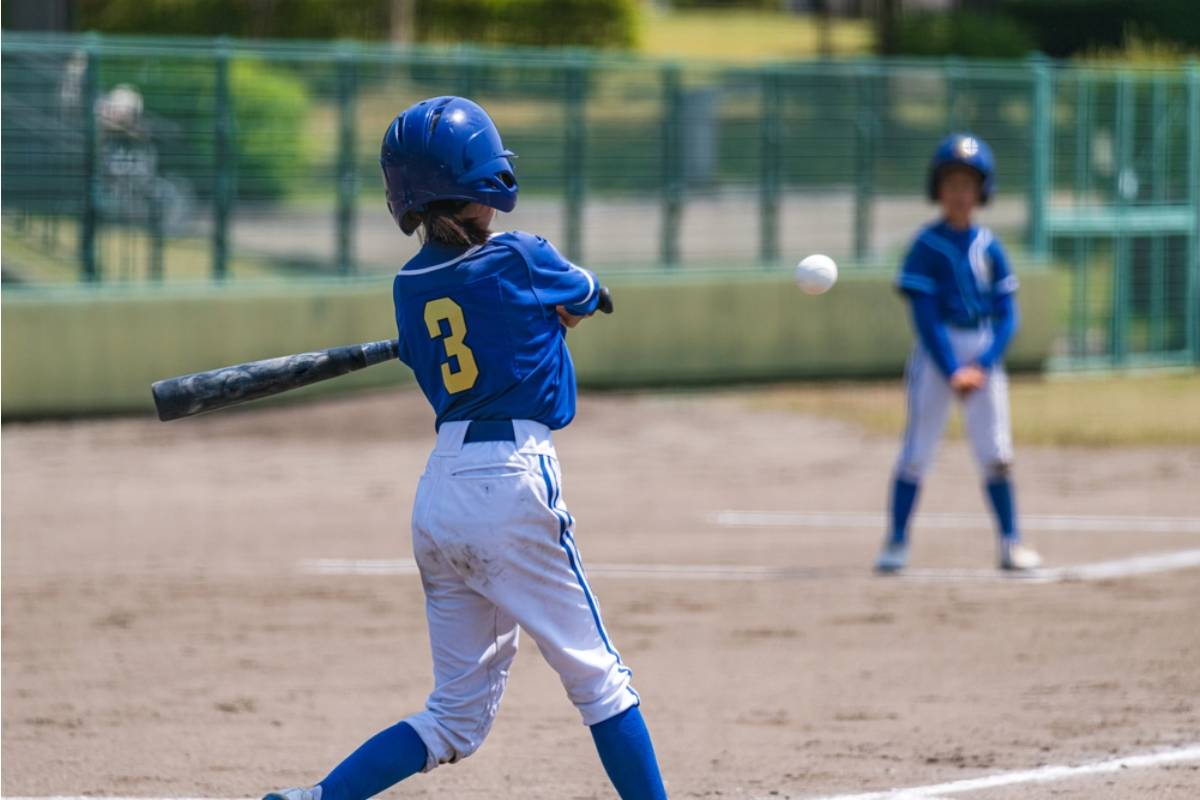
A person shared her story about a family whose middle daughter had wanted to play travel softball for a long time. When the opportunity finally came, the family was thrilled for her, and one or both parents made sure they were at every game. With tournaments happening every other weekend, softball quickly became a major part of the family’s calendar.
The daughter was proud of her team, excited about every tournament, and eager to have her family watching from the sidelines. Her parents never questioned whether she deserved their support, because they were happy to give it. The problem began when she decided that one particular family member should be watching just as often as they were. That person was her older teenage sister.
Her Sister Had a Life of Her Own
The older sister wasn’t sitting around refusing to support her sibling out of spite. She was a competitive dancer with her own packed schedule, and dance competitions sometimes happened at the exact same time as softball tournaments. Even when the schedules didn’t collide, the teenager often had homework, friends, rehearsals, and very little free time.
Still, she wasn’t absent from her sister’s softball life altogether. She attended at least one game a month, and often two, although she didn’t usually stay for an entire tournament. To the teenager, that seemed like a reasonable way to support someone she loved without giving up nearly every weekend of her life.
The Middle Daughter Was Still Hurt
None of that seemed to matter to the softball player, who continued bringing up the fact that her older sister wasn’t there more often. Every weekend seemed to bring another complaint, another expression of disappointment, or another reminder that she wanted her sister in the stands. The parents tried explaining that supporting someone didn’t always mean physically appearing at every event.
They also pointed out a rather important detail. Nobody had ever demanded that the softball player attend her sister’s dance competitions, and she had only dropped by one of her sister’s performances about once a year to see her solo. The comparison was difficult to ignore, because the older sister was already attending considerably more softball events than the younger sister attended dance events.
The Family Was Starting to Take Sides
The situation might have remained a small sibling disagreement if extended family members hadn’t started getting involved. Some relatives began siding with the middle daughter, partly because they wanted the conflict to disappear and partly because they had never really understood or supported competitive dance. From their perspective, showing up for a child’s sports event looked like a simple expression of family support.
That made the parents’ position harder to defend without sounding like they were refusing to support their child. The mother found herself caught between a daughter who wanted more attention and relatives who wanted peace at almost any cost. What they didn’t seem to understand was that keeping everyone happy could easily mean making the older sister responsible for the younger sister’s feelings.
The Neighborhood Had Set a Strange Standard
The mother had noticed that many families in her area seemed to bring everyone to everything. At dance competitions, siblings could often be spotted wandering around the venue while parents watched the performance. At softball fields, entire families appeared to arrive together, even when some of the children had no interest in the game whatsoever.
That made her own family look unusual by comparison. She had always allowed her children to choose their own activities rather than signing everyone up for the same thing. One daughter loved dance, another loved softball, and the parents believed both interests deserved room to grow without turning the entire family into a permanent audience.
Not Every Family Has to Do Things the Same Way
A response from a person pointed out that the mother might be seeing a skewed version of what other families actually did. She was noticing the siblings who were dragged along because those were the children sitting on the sidelines, but she wasn’t seeing the siblings who stayed home. That observation quietly challenged the idea that bringing the whole family to every event was some kind of universal family rule.
It also raised a bigger point about childhood. A sibling can love another sibling deeply without wanting to spend an entire Saturday watching an activity they don’t enjoy. The older sister wasn’t rejecting softball, and the family wasn’t rejecting the middle daughter. They were simply allowing each child to have a life beyond the family calendar.
One Response Called the Expectation Unreasonable
Another response from a person was much blunter. The argument was that it made little sense for the softball player to demand regular attendance from her sister when she wasn’t offering the same support in return. In that person’s view, the parents didn’t need another long discussion about fairness because the situation already explained itself.
The comment struck at the heart of the conflict. The younger sister wanted her older sister to show up because being watched made her feel loved and important. But the same emotional standard could not reasonably be imposed on a sibling who had never received that same level of attention in return.
There Was a Fairness Problem Hiding Under the Hurt
The mother had already tried discussing fairness with her daughter, but the lesson wasn’t landing. The softball player wasn’t necessarily trying to be selfish in some grand, calculated way. She simply knew that seeing her sister in the crowd felt special, and she wanted more of that feeling.
Still, feelings did not automatically create obligations. The parents seemed to recognize that teaching their daughter this distinction was part of their job, even though it was far more complicated than simply saying no. A child can feel disappointed while still being told that another person’s choice is perfectly reasonable.
The Younger Sister Wasn’t Actually Unsupported
Several responses focused on something that the emotional argument had begun to obscure. The softball player already had parents who attended her games, extended family members who came out, and an older sister who appeared at roughly one or two games every month. By most ordinary standards, she had a substantial amount of support.
That didn’t mean her disappointment was fake. It simply meant that disappointment wasn’t evidence of neglect. A person could wish someone would attend more often without having the right to demand that person’s time, especially when that person was already making an effort to show up.
The Older Sister Needed Someone in Her Corner Too
One response from a person emphasized that the teenager deserved protection from the pressure. The older sister was at an age where friends, personal interests, schoolwork, and independent experiences were becoming increasingly important. Expecting her to surrender that time every other weekend could quietly teach her that being a good sibling meant putting her own life second.
The mother appeared to understand that risk. She didn’t want the older daughter to become the family’s default sacrifice simply because she was the older child and supposedly better able to “deal with it.” Supporting one child should not require another child to repeatedly give up the activities and freedom that mattered to her.
The Family’s Situation Added Another Layer
Then the mother revealed something that changed the emotional shape of the story. The youngest child was medically fragile and disabled, and because of that, the family relied heavily on a larger support network. That meant the grandparents and extended family could be frustrating, overinvolved, and opinionated, but cutting them out was not a realistic option.
The mother admitted that this was one of those family situations where the village was necessary even when the village was exhausting. She could tell relatives to stop interfering, and she did, but she couldn’t simply erase them from the family’s life. Suddenly, the conflict wasn’t just about softball and dance anymore, because everyone was operating within a much larger family system.
The Mother Refused to Let the Relatives Parent for Her
Despite needing that support network, the mother drew a firm line when relatives tried to dictate how the situation should be handled. She told the grandparents that they were not welcome to keep discussing the issue, and they could either change the subject or leave. She wasn’t going to give in just because the adults around her had grown tired of hearing the younger girl’s complaints.
That decision mattered because it established who was actually responsible for the parenting. The family could help with rides, childcare, encouragement, and countless other practical things, but they didn’t get to vote on every parenting decision. The mother understood that keeping the peace wasn’t the same thing as teaching her children the right lesson.
Then the Middle Child’s Position Started to Look Different
Some people suggested that being the middle child might be contributing to the intensity of the situation. Middle children can sometimes feel overlooked even when their parents are doing their best, and the presence of a sibling with significant needs can make those feelings more complicated. The mother acknowledged that the family’s early years had been badly unbalanced because the youngest child’s survival required so much attention.
Yet she wasn’t convinced that this particular conflict was simply about feeling forgotten. She suspected the deeper issue was her older daughter’s growing independence. The teenager was out in the world doing things without her younger sister, and that freedom may have made the younger girl feel like she was being left behind.
The Twist Was That the Sister Might Be the Real Trigger
The mother offered an insightful possibility that changed the way the disagreement could be understood. She wondered whether the softball issue would feel nearly as important if the teenager weren’t actually having fun with her own life. Watching her older sister go to dance, spend time with friends, and experience things independently may have made those missed softball games feel much more personal.
That would explain why the usual fairness argument wasn’t fixing the problem. The younger sister wasn’t simply counting attendance numbers and demanding an equal exchange. She was watching her older sister become more independent and discovering that growing up meant she couldn’t automatically come along.
Family Support Doesn’t Have to Mean Constant Attendance
Another response from a person suggested a compromise that sounded much more sustainable. Some families require siblings to attend one important event during a season, while parents remain the people responsible for consistently showing up. That approach treats family support as meaningful without turning every weekend into a mandatory reunion.
The idea also gives siblings a chance to build memories without making them spectators at every single activity. The older sister could choose certain softball games that mattered to her, just as the younger sister could choose a dance performance that mattered to her. Support would still exist, but it would not come with the expectation that someone’s entire schedule belonged to the family.
The Parents Were Teaching a Bigger Lesson
At first glance, the argument seemed to be about whether an older sister should attend softball games. Underneath that disagreement was a much bigger lesson about boundaries, fairness, and growing up. The parents were trying to teach their daughter that loving someone does not mean being available every time that person wants you nearby.
They were also teaching the older sister something just as important. She was allowed to enjoy her teenage years, make plans with friends, attend dance competitions, and have stretches of free time without being made to feel guilty. The family could cheer for one another without requiring every child to become a permanent audience member.
The Softball Games Would Keep Going, Even Without Everyone There
The middle daughter would probably continue wishing her sister were in the stands more often. Her feelings were real, and the parents didn’t need to pretend otherwise. What she needed, though, was help learning that being disappointed didn’t mean someone had done something wrong.
The older sister would probably continue showing up when she could, sometimes staying for an entire event and sometimes leaving early for her own commitments. In time, the younger girl might discover that the games where her sister did appear felt more special precisely because they weren’t automatic. The real victory wasn’t getting everyone into the bleachers every weekend, but teaching the sisters that love could survive without constant attendance.