A Mom Says Her Son Asked Her to Stop Putting Notes in His Lunch Twice, Five Years Apart, But for Completely Different Reasons

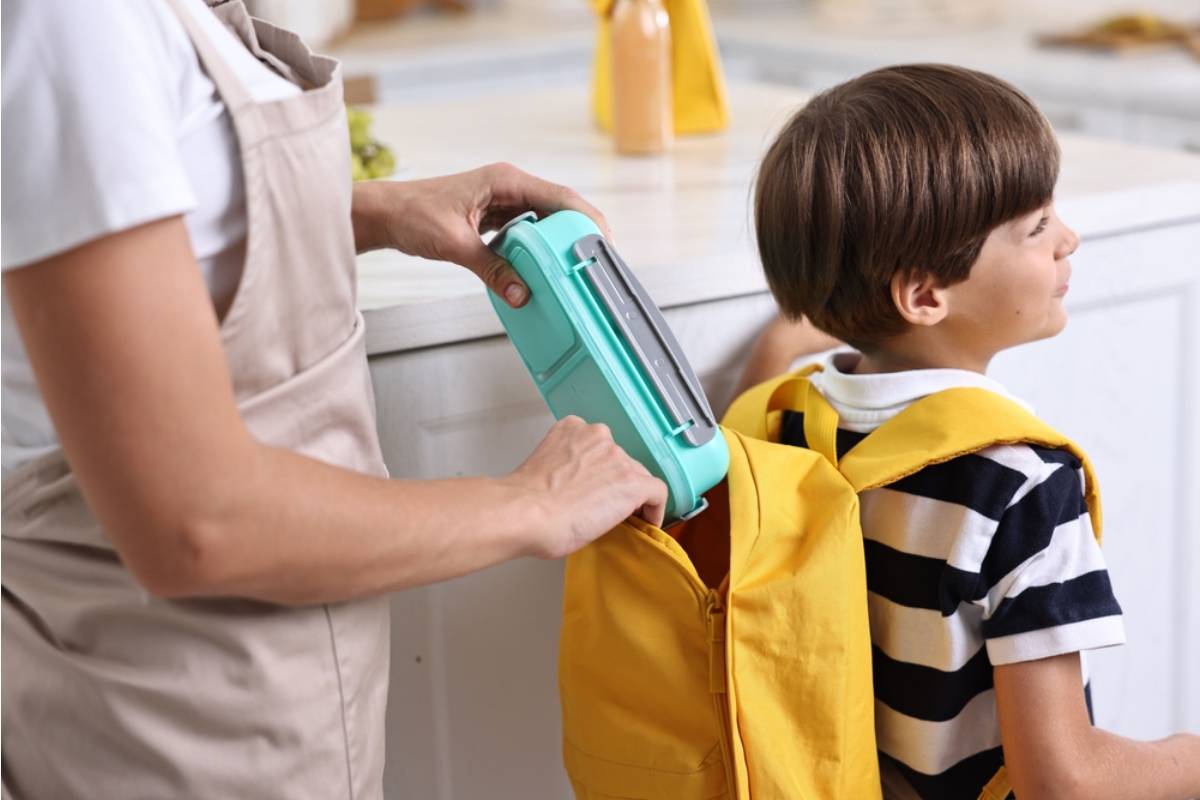
When her son started kindergarten, his mother wanted to give him a little piece of home to carry into the school day. She began packing his lunch and slipping a tiny handwritten note inside, usually accompanied by a simple drawing. It seemed harmless, sweet, and practical, especially for a little boy learning how strange and enormous school could feel. For the first week, she thought the notes were becoming their own quiet tradition.
Then her son came home with an unexpected request. He told her he wanted the notes to stop because reading them made him miss her too much, and once he started missing her, he spent the rest of the afternoon feeling sad. It wasn’t that he disliked the notes or didn’t appreciate them. He simply loved his mother enough that a little reminder from home made being away from her harder.
Kindergarten Was Already a Big Adjustment
The mother understood, even though the request still stung a little. Kindergarten was filled with new routines, unfamiliar faces, and long hours away from home, so she knew her son was still figuring out how to handle all those feelings. The lunch note had been intended to comfort him, but somehow it had become the thing that made him emotional. She respected his request and stopped putting them in his lunch.
From that point on, he started choosing school lunch instead. The little notes disappeared from the story, and eventually the painful moment became one of those parenting memories that sits quietly in the background. Five years passed, and the mother probably assumed the lunch-note chapter of their lives had ended for good. She had no idea the subject would come back in fifth grade.
Fifth Grade Changed the Lunch Equation
By fifth grade, everything about school lunch looked different. Her son was older, more independent, and much more aware of what his classmates were doing around him. Nearly all of his friends were bringing lunches from home, and suddenly school cafeteria food didn’t seem nearly as appealing as it once had. He decided he wanted to start bringing his own lunch too.
His mother was delighted by the request and perhaps a little more excited than necessary. She packed a lunch with far too much food, apparently enjoying the chance to take care of him in that familiar way again. Then, almost without thinking, she slipped a little note into the lunchbox. It was the same kind of gesture she’d made five years earlier, as though she could briefly reopen an old chapter.
A Tiny Note Came Back With a New Problem
That afternoon, she asked her son how lunch had gone. Instead of answering immediately, he hesitated in a way she recognized almost instantly. Then he gave her another request that transported her right back to kindergarten. He wanted her to stop putting notes in his lunch.
But this time, his reason was completely different. He wasn’t getting teary because he missed his mother or struggling with the school day. He was embarrassed because his friends might see the note, and at his age, that suddenly felt like a major social disaster. The same little piece of paper that once made him homesick had somehow transformed into something that could make him feel exposed.
The Mother Felt the Sting All Over Again
For his mother, the timing made the whole thing almost comically painful. Five years earlier, she had been told that her notes made him miss her too much. Now she was being told that the exact same loving gesture was embarrassing. It was hard not to feel as though the lunchbox itself had become the place where her son announced every new stage of growing up.
Still, she recognized that his feelings weren’t really about her. A child who once needed reassurance at lunchtime had become a fifth grader who cared deeply about fitting in with his friends. His embarrassment wasn’t proof that her affection had suddenly become unwanted. It was proof that his world had gotten bigger, and other people’s opinions now mattered more than they once did.
A Response Offered a Glimpse of the Future
A person responding to the story shared a surprisingly hopeful experience from years later. The person explained that her daughter was already 23, married, employed, and fully living her own adult life when she temporarily stayed at home again. As a thank-you for helping out, her mother packed her a lunch just as she had done for years and slipped in one of her familiar notes.
This time, the note wasn’t embarrassing at all. In fact, the daughter’s coworkers apparently thought her mother was incredibly sweet, and the old tradition suddenly had a completely different meaning. The person suggested that perhaps the same thing could happen to the mother in this story. One day, the lunch note might stop being something her son wants hidden and become something he misses.
Another Story Made the Possibility Even Sweeter
Another person shared a story from decades of working as a nanny. She had cared for one family for years and used to leave little notes in the children’s lunchboxes. When the oldest boy reached about 12, he decided the notes were embarrassing and asked her to stop.
Then something unexpected happened when he was 15. He asked her to start writing them again, turning what had seemed like a permanent rejection into a temporary phase. Around the same time, he came home with homemade cookies from his girlfriend, along with a note explaining that lunchtime was brighter when she saw him light up after reading those messages.
Fifth Grade Affection Comes With Different Rules
Other responses showed just how unpredictable children can be about affection. One person explained that her fifth grader still received notes, but she hid them among patterned napkins so the messages wouldn’t immediately attract attention. Apparently, another child had teased him about the note, and he responded that his mother loved him more than the other child’s mother.
That response sparked a lively disagreement about whether children should answer teasing with kindness or a sharp comeback. Several people argued that a child shouldn’t have to quietly accept being mocked for receiving affection from a parent. Others felt that the better lesson was learning when to ignore teasing and when to respond without becoming cruel themselves.
Some Kids Treat Lunch Notes Like a Badge of Honor
Then came the stories that showed the exact opposite situation. One parent shared that her fourth grader loved getting a lunch note, while her older child was furious on the first day of school because she hadn’t received one. The parent had intentionally skipped the older child’s note because she assumed it might be embarrassing. Instead, her daughter came home angry because all her friends had notes and she didn’t.
That parent quickly learned that age alone doesn’t determine how a child feels about affection. Some children want their mother’s handwritten message tucked beside their sandwich every day. Others would rather pretend their parents have never expressed a feeling in their entire lives. The same lunchbox can apparently become either a treasured connection or a social liability depending on the child.
A Joke Can Sometimes Solve the Problem
Another person described taking a different approach by writing jokes instead of emotional messages. The child still received something from home, but it didn’t carry the same unmistakably sentimental feeling that could attract attention at the lunch table. Occasionally, the parent would even draw a silly picture, turning the note into something closer to lunchtime entertainment.
It was a clever compromise because the affection remained without making the child feel singled out. Another parent said her oldest child even wanted the note signed simply as “Mom,” despite still calling her something much more affectionate at home. Apparently, there are certain public lunchroom rules that children take very seriously.
The Question Is Really About Growing Up
One response cut through all the humor and offered the simplest explanation. A person said both of the boy’s reactions were developmentally appropriate, even though they could still hurt his mother. As a kindergartner, he was sensitive to separation and didn’t know how to manage the ache of missing home. As a fifth grader, he had started caring more about the opinions of his peers.
The important part was that neither reaction necessarily meant he loved his mother any less. In fact, one person pointed out that a child who feels secure in a parent’s love may not need constant reminders of it during the school day. The difficult part for a parent is learning not to interpret every request for independence as rejection.
The Hardest Part May Be Letting Go
Another person argued that the mother’s feelings deserved understanding too, but ultimately the child’s request should be respected. The suggestion was straightforward: if he doesn’t want a note, there is no need to sneak one into a napkin or hide it somewhere else. The mother could still pack his lunch, but the emotional ritual might need to change as he grows.
That can be a surprisingly difficult lesson for parents. They spend years building little traditions, only to discover that their children eventually outgrow them without warning. The temptation is to cling to the ritual because it represents a version of the child who once needed them more openly. But sometimes loving a growing child means knowing when to step back.
The Lunch Note Was Never Really About the Paper
The story began with a tiny handwritten message, but the real story was never about stationery. It was about a mother trying to stay connected to her son through two completely different stages of childhood. First, he needed distance from the reminder because it made him homesick. Years later, he needed distance because he wanted to feel independent in front of his friends.
That difference may have been the most bittersweet part of all. In kindergarten, he wanted the note gone because he missed his mother too much. In fifth grade, he wanted it gone because he was becoming the kind of kid who could handle school without everyone knowing how much his mother cared about him. The reasons changed, but the underlying bond didn’t.
The Twist May Come Years From Now
The sweetest possibility hidden inside the story came from those adults who once hated being treated like children. Again and again, people described kids who eventually grew older and looked back on those little notes differently. What seemed embarrassing at 11 or 12 sometimes became meaningful at 15, 20, or even 23. Time had a funny way of turning an unwanted reminder into something people later realized they had missed.
So the mother may not need to force the lunch-note tradition to survive. She can let it disappear, pack the oversized lunches, and quietly accept that her son is growing into someone who wants a little more control over how affection is shown. Maybe one day he’ll open a lunchbox, see a note, and smile instead of cringing. And when that day comes, the mother will probably realize the heartbreak was never about losing the note at all, but about watching her little boy slowly become his own person.