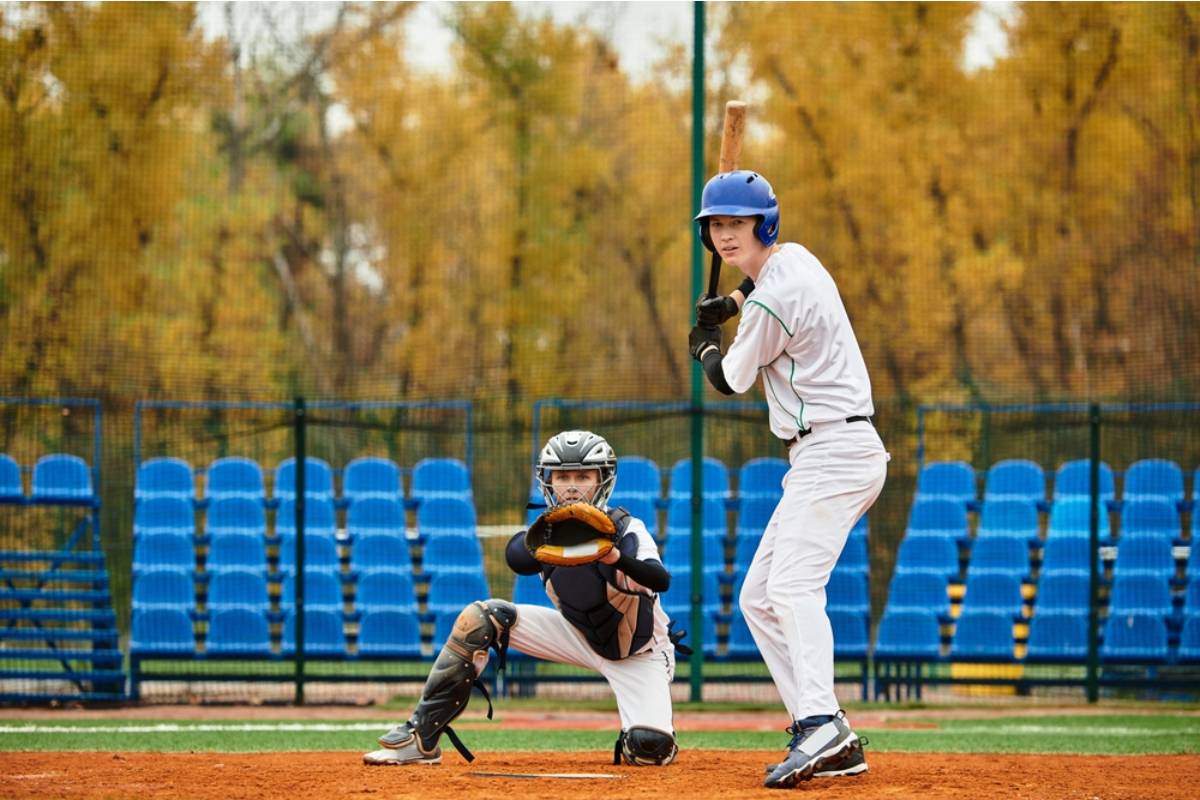
A Mom Says Her Son Asked Her Why Some Parents Come to Every Single Game and Some Don’t Come to Any, and He Wasn’t Asking About Anyone Else’s Family

The question came so quietly that Jessica almost missed it. She and her twelve year old son, Ben, were driving home after another youth baseball game, talking about homework and what to have for dinner. Ben stared out the passenger window for a long moment before asking, “Why do some parents come to every single game and some don’t come to any?”
Jessica started to answer with a general explanation about work schedules and family responsibilities. Then Ben softly added, “I wasn’t talking about anyone else’s family.” Her hands tightened on the steering wheel because she immediately understood what he was really asking.
The Silence After the Game
Jessica replayed the afternoon in her mind. She remembered looking across the bleachers and noticing several families cheering loudly every inning. Parents stood when their children came to bat, celebrated every catch, and filled the field with hugs after the final out.
Ben had walked off the field carrying his equipment bag without looking toward the parking lot. He never searched the crowd anymore because he already knew who would and would not be there.
An Answer That Felt Too Simple
Jessica took a deep breath before responding.
“Sometimes adults miss important things because life gets complicated,” she said.
Ben nodded politely, but she could tell he was not satisfied. He had not asked for a polite explanation. He wanted to know why his own father had missed nearly every game for two seasons despite repeatedly promising things would change.
Promises That Kept Moving
After the divorce, Ben’s father, Mark, insisted he wanted to stay involved. He attended the first game that spring and loudly promised he would be there every chance he got.
Then excuses slowly replaced appearances.
One weekend it was work. Another time he forgot to check the schedule. Later he claimed he thought the game had been canceled. Each explanation sounded reasonable by itself, but together they formed a pattern Ben could clearly see.
The Coach Quietly Noticed
Coach Ramirez never criticized parents in front of players, but he paid attention. After practices he often walked beside Ben while the rest of the team met their families.
One afternoon he casually asked what position Ben wanted to improve before next season. The conversation lasted only a few minutes, but Jessica realized the coach stayed with Ben until she arrived every single time. He understood that those last moments after practice were often the hardest.
A Forgotten Glove Changed Everything
One evening Ben accidentally left his baseball glove in the dugout. Jessica drove back to the field after dinner to retrieve it.
As they approached, they found Coach Ramirez locking the equipment shed.
“I figured someone might come back for this,” he said with a smile, holding up the glove.
Then he looked at Ben and added, “You know, I always tell parents that kids remember who consistently shows up. It isn’t about being perfect. It’s about being present.”
Jessica noticed Ben quietly absorbing every word.
An Honest Conversation at Home
Later that night Ben sat at the kitchen table finishing homework while Jessica prepared snacks for the next day’s school lunch.
Without looking up, he asked, “Do you think Dad forgets because he has a lot going on, or because baseball isn’t important to him?”
Jessica stopped what she was doing.
She knew one careless answer could shape how Ben viewed both his father and himself for years.
Choosing Truth Without Bitterness
Jessica pulled out a chair and sat beside him.
I can’t tell you exactly why Dad misses games,” she said. “Only he knows that.”
She paused before continuing.
“But I can tell you something I’m absolutely sure about. Adults sometimes make choices that disappoint people they love. Those choices are never proof that the child wasn’t worth showing up for.”
Ben slowly nodded, although his eyes remained fixed on the table.
An Unexpected Visitor at Practice
The following week Mark unexpectedly appeared during practice. Ben looked shocked as he jogged over after drills ended.
“I’ve been really busy,” Mark said before Ben could speak. “But I’m going to do better.”
Ben smiled politely, yet Jessica noticed something different. Instead of excitement, there was caution. Too many promises had made him afraid to believe another one too quickly.
The Empty Seat Returned
For the next scheduled game, Jessica found herself glancing toward the parking lot despite promising she would not.
The seat beside her remained empty throughout the afternoon.
Ben played one of his strongest games of the season, making several difficult catches and driving in two runs. He smiled with his teammates after the victory, but when families gathered for photos, Jessica saw him hesitate before joining the group.
He had noticed the empty space again.
A Conversation With Another Parent
As families packed up equipment, another mother approached Jessica.
She quietly admitted her own father had rarely attended her childhood events because he constantly worked.
“I spent years wondering what was wrong with me,” she said. “There wasn’t anything wrong with me. I just didn’t understand that adults sometimes fail in ways children unfairly blame on themselves.”
Her words stayed with Jessica long after everyone left the field.
The School Assignment
A few weeks later Ben received a writing assignment asking students to describe someone who always encouraged them.
Jessica assumed he would write about Coach Ramirez or one of his teachers.
Instead, Ben handed her the finished paper after school.
He had written about her.
He described seeing her in the same folding chair at every game, every practice, every school concert, and every award ceremony. He ended by writing, “When I look into the crowd, I already know where she’ll be.”
Jessica quietly wiped tears from her eyes before hugging him.
The Call That Came Too Late
Several days later Mark called asking when the next tournament would take place.
Jessica gave him the schedule.
Then she added, “Ben doesn’t need another promise. He just needs you to decide whether you’re coming.”
There was silence before Mark admitted he had underestimated how much missing games mattered. He believed Ben would understand once he grew older.
Jessica answered gently.
“He already understands more than you think.”
A Different Kind of Victory
The following tournament arrived with little expectation. Jessica unpacked her chair and settled into the same spot she always chose.
A few innings later she noticed someone quietly walking toward the bleachers.
It was Mark.
He sat several rows away at first, unsure whether he had already damaged too much. Ben spotted him while walking to the batter’s box but kept his focus on the game.
Afterward Mark congratulated him without making dramatic speeches or apologizing in front of everyone. Instead, he simply asked about a difficult catch Ben had made in center field. The conversation felt awkward but genuine, giving them a place to start rebuilding instead of pretending nothing had happened.
What Ben Really Wanted
Months later Jessica asked Ben whether he remembered the question he had asked in the car after that game.
He smiled before answering.
“I think I know now.”
Jessica waited.
“I wasn’t counting how many games other parents went to,” he said. “I was trying to figure out if I was the kind of kid people wanted to show up for.”
Jessica immediately wrapped him in a hug and reminded him that attendance at a game is a reflection of an adult’s decisions, never a measure of a child’s value. Over time Mark became more consistent, though not perfect, and Ben slowly learned to appreciate actions more than promises.
The experience changed all three of them in different ways. Jessica became even more intentional about being present, Mark finally understood that reliability cannot be replaced with excuses, and Ben discovered that his worth had never depended on who was sitting in the bleachers. It had always been there, waiting for the adults around him to recognize what truly mattered.