A Mom Says Her Son Told Her That the Kid Who Bullied Him All Year Won the School’s Kindness Award and She Didn’t Know Whether to Laugh or Cry

Every parent hopes school will be a place where fairness matters. We tell our children to be honest, treat others with respect, and trust that teachers will notice the difference between genuine kindness and carefully managed appearances. Most of the time those lessons make sense.
Then a situation comes along that leaves everyone questioning how something so obvious could have gone unnoticed. That was exactly what happened when my son came home on the last week of school with news that sounded too unbelievable to be true.
The Ride Home Felt Different
My son, Tyler, usually talked nonstop during the drive home. He told me about funny moments in class, lunchroom jokes, and whatever game he wanted to play after homework. That afternoon he climbed into the car, buckled his seat belt, and stared out the window.
I asked how the school assembly had gone.
He shrugged before quietly saying, “Evan won the Kindness Award.”
For a second I thought I had heard the wrong name.
I Thought He Was Trying to Be Funny
I laughed because it sounded impossible.
Tyler did not smile.
Instead, he looked at me with tired eyes and repeated, “I’m serious.”
That was the moment I realized he was not making a joke. He was trying to understand something that made no sense to him.
The Name Was Impossible to Ignore
Evan had been part of Tyler’s class since the beginning of the school year.
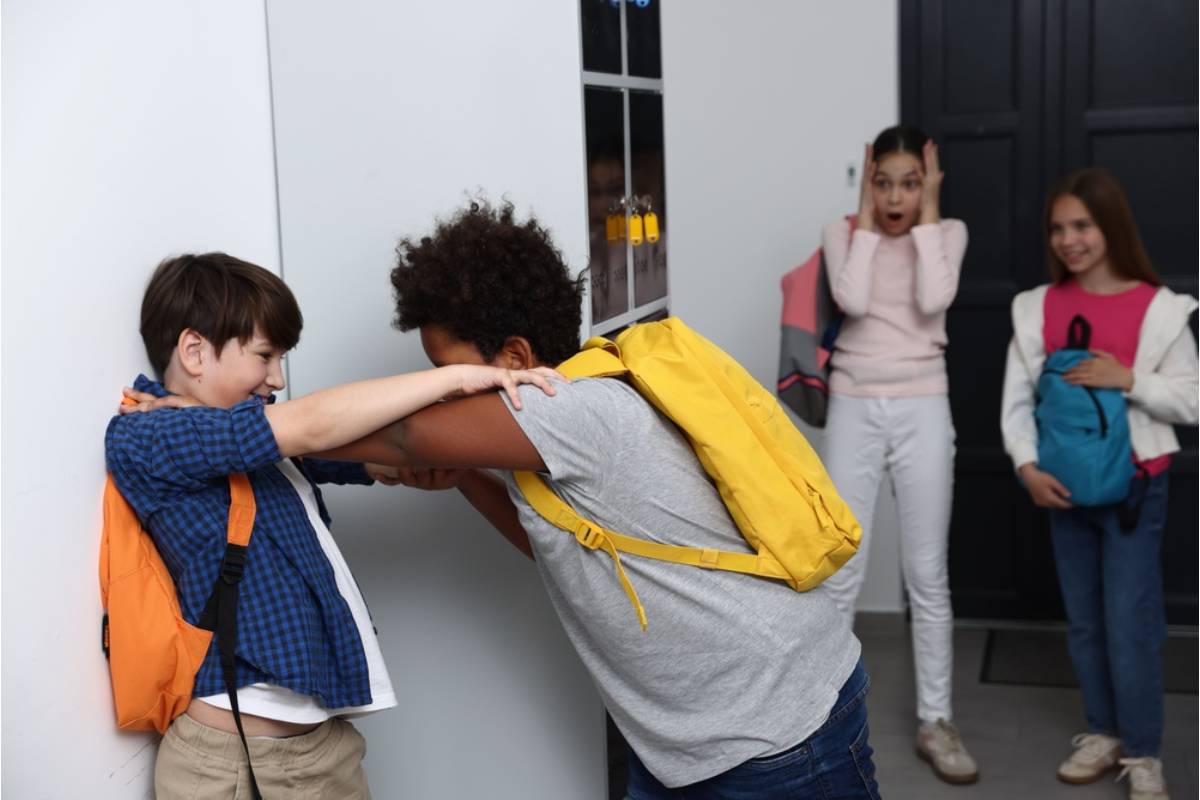
For months Tyler mentioned small incidents that always seemed difficult to prove. Evan would hide his backpack before class started. He would whisper insults just quietly enough that teachers could not hear them. During group projects he encouraged other kids to ignore Tyler without openly breaking any classroom rules.
Whenever adults approached, Evan instantly became polite and cooperative.
My Son Had Never Wanted Revenge
Tyler never asked me to punish Evan.
He never wanted another child suspended or embarrassed.
What he wanted was much simpler.
He hoped someone would notice what happened when adults were not watching.
Instead, every report card described Evan as respectful, helpful, and an excellent role model for classmates.
The Award Ceremony Left Him Confused
Tyler explained that students applauded as Evan walked across the stage to receive a certificate celebrating kindness and compassion.
Teachers praised his willingness to help others.
Several parents even stood to take pictures.
Tyler clapped because everyone else was clapping.
Inside, he felt like he was watching a completely different person receive recognition.
Other Students Reacted Differently
That evening Tyler received several text messages from classmates.
One student wrote, “Did that actually happen?”
Another replied, “I thought I was the only one who noticed.”
Within an hour Tyler realized he was not alone.
Several students privately admitted they had experienced similar treatment from Evan throughout the year but never reported it because nothing ever seemed serious enough on its own.
Each incident looked small.
Together they painted a completely different picture.
A Neighbor Shared an Unexpected Story
The next afternoon I spoke with another mother while walking our dogs.
Before I mentioned anything, she sighed and asked whether Tyler had attended the awards assembly.
When I nodded, she quietly said her daughter came home asking how someone could receive a kindness award after making classmates cry during recess.
That conversation changed everything.
This was no longer one child’s misunderstanding.
Different families were describing remarkably similar experiences.
Looking Back at the Small Moments
I started remembering conversations that had seemed unimportant at the time.
Tyler once mentioned Evan complimenting teachers while mocking classmates the moment adults turned away.
Another time he described Evan helping clean the classroom after school while laughing about embarrassing another student earlier that afternoon.
Individually those stories sounded like ordinary childhood conflicts.
Viewed together, they suggested someone who understood exactly when people were watching.
My Son Finally Admitted the Hardest Part
Later that night Tyler confessed something he had never told me before.
He said watching Evan receive the award made him question whether speaking up would have mattered at all.
“If everyone thinks he’s the nicest kid,” Tyler asked, “would they even believe me?”
That question hurt more than anything else he shared.
He was not only doubting adults.
He was beginning to doubt his own experiences.
A Teacher Asked to Meet
The following week Tyler’s homeroom teacher called unexpectedly.
She explained that several parents had contacted the school after hearing concerns from their children. She wanted to better understand what had happened because none of the reports matched the behavior she regularly observed.
I appreciated that she listened instead of becoming defensive.
She admitted she had never personally witnessed bullying involving Evan.
She also admitted that did not mean it never happened.
Hidden Patterns Slowly Emerged
Over the next several days the school counselor met privately with multiple students.
Without discussing one another’s conversations, many children described nearly identical situations.
Evan rarely bullied anyone in front of teachers.
Instead, he targeted quieter students during transitions, group activities, and moments when adults focused elsewhere.
The stories matched so closely that staff members realized they had overlooked a pattern because each incident had seemed isolated.
The Truth Was More Complicated
School administrators eventually met with Evan and his parents.
To everyone’s surprise, Evan admitted several of the incidents almost immediately.
He did not argue.
He did not blame classmates.
Instead, he quietly said he thought teasing people only counted as bullying if teachers saw it or if someone cried in front of him.
He genuinely believed he was simply joking.
Hearing those words shocked everyone in the room.
The Award Became a Difficult Conversation
Rather than pretending nothing had happened, school leaders discussed the situation openly with staff.
They realized the kindness award had relied almost entirely on teacher observations and classroom participation.
Very little input came from students who interacted with nominees throughout the day.
The principal admitted the selection process needed improvement because kindness should include how someone treats people when recognition is impossible.
That conversation became the beginning of several important changes.
Tyler Chose an Unexpected Response
When I asked Tyler how he felt after learning everything, I expected anger.
Instead, he surprised me.
“I don’t want him humiliated,” he said.
“I just don’t want someone else to feel invisible.”
His maturity caught me off guard.
Despite everything he had experienced, he still cared more about preventing future harm than getting even.
A New Tradition Changed the School
Before the next school year began, teachers introduced a different recognition program.
Students could anonymously nominate classmates by describing specific moments of kindness they had personally experienced.
Instead of rewarding popularity or public behavior, nominations focused on quiet actions that often went unnoticed.
Helping someone who dropped their books.
Sitting with a lonely student at lunch.
Standing up for someone being excluded.
The stories mattered more than appearances.
Looking Back With Mixed Emotions
Months later Tyler and I talked about everything that had happened.
He admitted there were days when he still could not believe the award had gone to someone who had caused so much hurt behind the scenes.
I told him I understood why he felt confused.
Sometimes adults miss important things, not because they do not care, but because they only see part of the picture. That does not excuse mistakes, but it reminds us that fairness requires listening from more than one perspective.
Whenever I think about that school assembly, I still do not know whether laughing or crying would have been the right response. The situation exposed flaws that many people never intended to create. At the same time, it led to conversations that encouraged students, parents, and teachers to look beyond polished appearances. Real kindness is rarely measured by applause, certificates, or public praise. It is revealed in the ordinary moments when nobody expects recognition and someone still chooses to make another person’s day a little easier.