A Mom Says Her Son’s Coach Made the Team Vote Publicly on Who Deserved to Start, and Her Son Lost by One Vote in Front of Everyone

Parents expect youth sports to teach teamwork, resilience, and respect. They do not expect children to be placed in situations where friendships are tested in front of the entire team. What began as an ordinary practice before the season opener turned into an emotional experience that one family never saw coming.
By the time everyone understood the impact of a single decision, the conversation was no longer about who deserved to start the game. It had become about how young athletes should be treated when competition and friendship collide.
An Announcement Nobody Expected
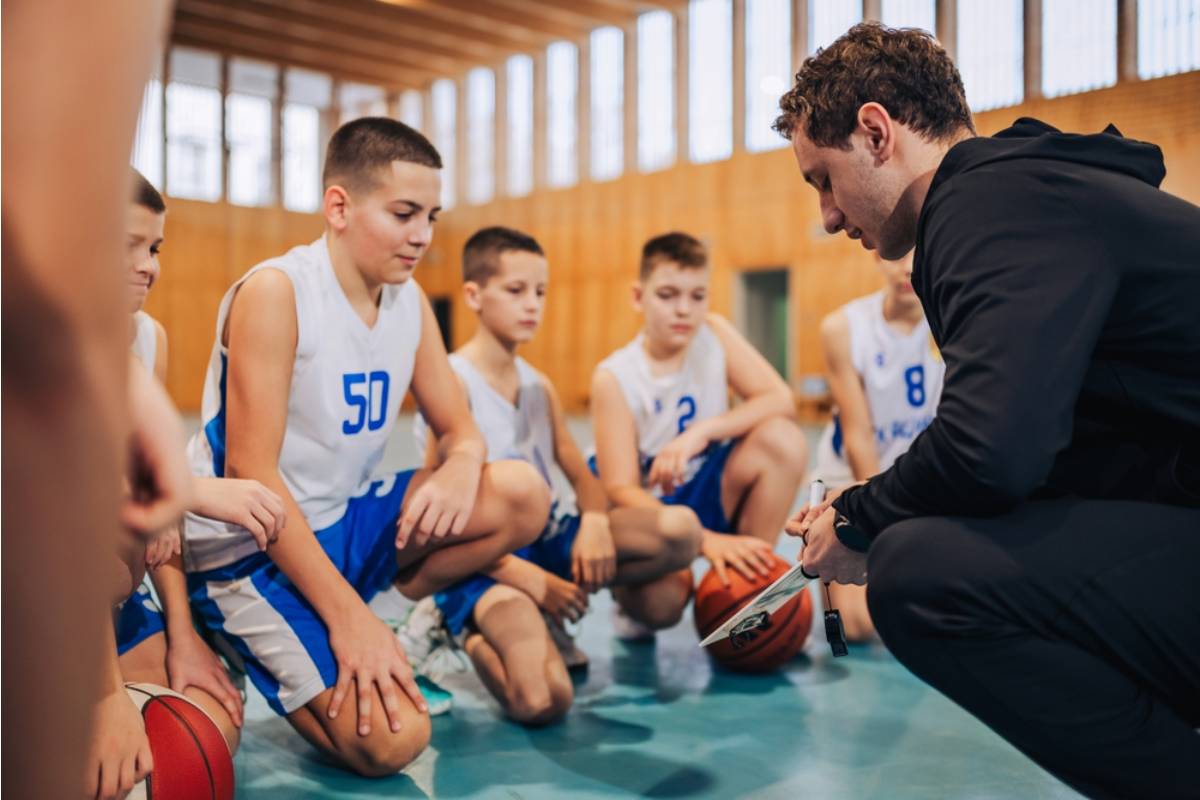
Twelve year old Mason arrived at basketball practice expecting to run drills before the first game of the season. Instead, Coach Reynolds gathered everyone at center court and explained that the starting lineup would be decided differently. He told the players they would each vote for the teammate they believed deserved the final starting spot. Several kids exchanged nervous glances because they had never been asked to judge one another like that before.
Ballots Were Not Kept Private
The players assumed they would write names on slips of paper and hand them in quietly. Instead, Coach Reynolds asked each athlete to stand up one at a time and say their choice out loud. Some players hesitated before speaking because their friends were sitting only a few feet away. Others looked down at the floor as names were called. The room grew more uncomfortable with every vote.
The Final Count Ended in Silence
When the last player finished speaking, Coach Reynolds counted the votes in front of everyone. Mason had lost the starting position by a single vote to his teammate, Jordan. Nobody celebrated because the result felt awkward rather than exciting. Mason forced a smile and congratulated Jordan even though his face clearly showed disappointment. Practice continued as if nothing unusual had happened.
The Ride Home Was Unusually Quiet
Mason barely spoke during the drive home. His mother, Lisa, assumed he was simply disappointed about not starting until he quietly explained how the decision had been made. He repeated every vote from memory because hearing each teammate choose had stayed with him. The hardest part, he admitted, was realizing exactly which friend had cast the deciding vote. Lisa felt her stomach sink as she listened.
Friends Suddenly Felt Different
The next day at school, Mason noticed conversations changing whenever he walked toward his teammates. Nobody teased him, but everything felt awkward. He caught himself wondering whether certain players believed he was not good enough to lead the team. Jordan even apologized despite doing nothing wrong. Both boys became uncomfortable because adults had placed them in a situation neither of them wanted.
Another Parent Shared a Similar Concern
While waiting outside practice later that week, Lisa mentioned the voting process to another parent. The other mother immediately said her son had gone home upset for the same reason. He worried teammates would resent him because he had voted honestly instead of choosing his closest friend. It became clear the public vote had affected nearly every player, not just Mason. The issue reached far beyond one starting position.
A Meeting With the Coach Became Emotional
Lisa requested a conversation with Coach Reynolds after practice. He explained that he wanted players to value leadership and earn each other’s respect. Lisa acknowledged the intention but asked whether children should ever have to publicly rank their own friends. She pointed out that every vote created a winner and several visible losers at the same time. Coach Reynolds listened carefully but defended the exercise as a lesson in accountability.
An Assistant Coach Spoke Up
Later that evening, the assistant coach privately approached Coach Reynolds. He admitted he had been uncomfortable with the public vote from the beginning but chose not to challenge the decision in front of the team. After seeing how tense the players had become, he believed the process had done more harm than good. Coach Reynolds was surprised because he had assumed the other adults supported the idea. For the first time, he began questioning his own approach.
Practice No Longer Felt Like Practice
Over the next week, players hesitated before giving one another advice during drills. Simple mistakes led to awkward silence instead of encouragement. Mason noticed teammates becoming careful about every interaction because they worried someone might still be upset about the vote. The sense of trust that had existed earlier in the season slowly faded. Even Coach Reynolds recognized the energy in the gym had changed.
A Team Meeting Shifted the Conversation
Before the next game, Coach Reynolds gathered the players together again. This time he admitted he had made a mistake by asking them to vote publicly. He explained that choosing lineups was an adult responsibility and should never have been placed on the shoulders of kids. Several players looked relieved just hearing those words. The tension that had been building finally began to ease.
Mason Received an Unexpected Apology
After practice, Jordan walked over to Mason while everyone packed up. He admitted he had worried their friendship might never feel the same again. Mason smiled and told him he never blamed him for earning the starting spot. They both realized the real problem had been the situation they were placed in, not the result itself. That conversation repaired a friendship that had nearly been damaged by circumstances beyond either boy’s control.
Parents Heard About a New Policy
At the next parent meeting, Coach Reynolds explained that future leadership decisions would be based on observation, effort, and communication rather than public peer voting. He also encouraged players to support one another without worrying about internal competition outside the game itself. Most parents appreciated that he openly accepted responsibility instead of ignoring the criticism. The team gradually returned to focusing on basketball instead of ballots.
The Season Ended With a Different Lesson
Months later, Mason earned several starts through hard work and consistent improvement. What he remembered most, however, was not the lineup or the final record. He remembered how easily one public decision had made good teammates question each other. Lisa later said the experience taught her son something valuable about leadership. The strongest leaders build trust by making difficult decisions themselves, not by asking children to publicly choose who deserves to stand beside them.