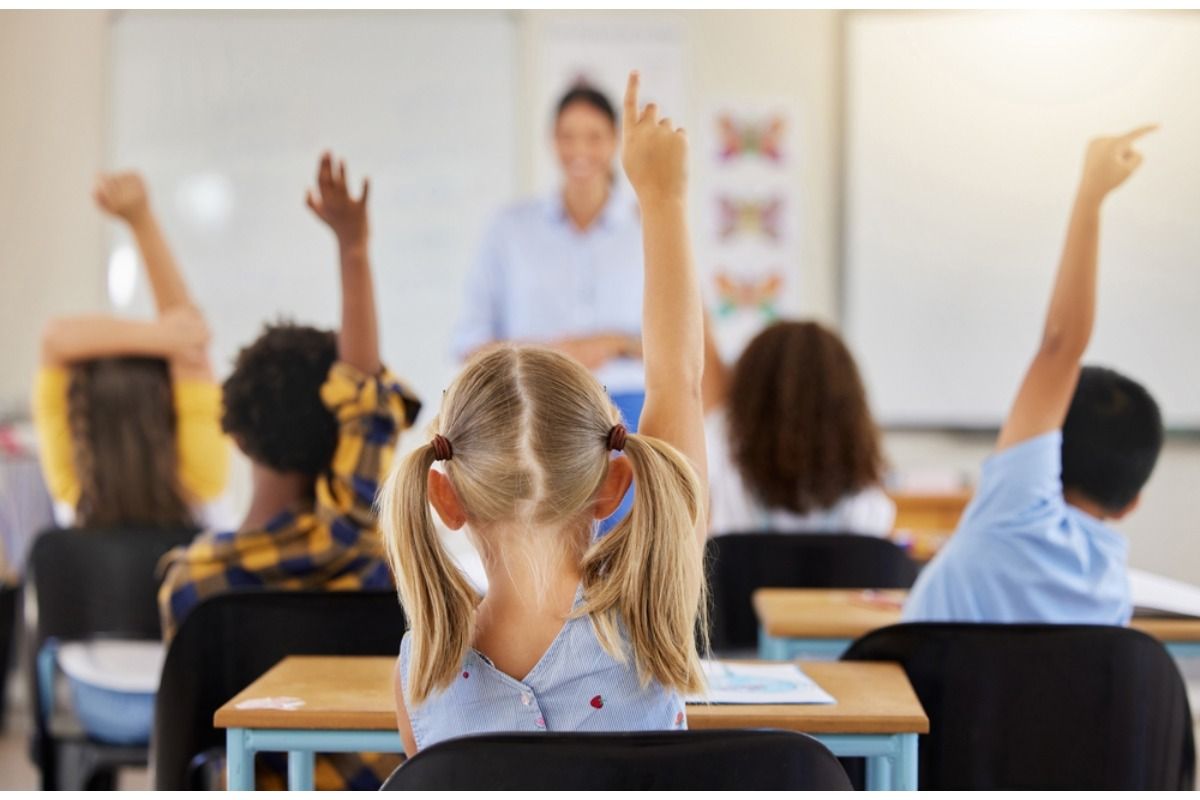
A School Asked Kids to Vote on a Class Decision, but Some Parents Say It Turned Into “Public Exclusion”

A school asked students to vote on a class decision, but some parents say the process ended up feeling less like participation and more like public exclusion for certain children.
Voting Can Create Clear Winners and Losers
When children vote, the outcome naturally separates preferences into majority and minority choices. While this can teach democratic participation, it can also leave some students on the losing side. Those children may feel ignored or left out. The emotional impact can be stronger than expected. Not every child processes it the same way.
Public Decision-Making Can Feel Personal
Even when the decision is about an activity or classroom rule, children may interpret it socially. If peers vote against something they supported, it can feel like rejection. This is especially true in younger age groups. Social belonging is closely tied to peer acceptance. Decisions can feel personal rather than procedural.
Parents Are Concerned About Emotional Impact
Some parents worry that public voting doesn’t just decide outcomes, but also exposes group dynamics. Children may become aware of who is favored or excluded. This can affect confidence and relationships. Emotional consequences may last beyond the activity. Parents question whether the method is age-appropriate.
Teachers May Be Encouraging Participation
From the school’s perspective, voting can be a way to involve students in decision-making. It can help them learn responsibility and fairness. It also gives children a sense of control. The intention is often educational rather than exclusionary. Participation is the main goal.
Group Pressure Can Influence Choices
Children don’t always vote independently. Peer influence can play a strong role in how they decide. Popular opinions may dominate outcomes. This can unintentionally marginalize quieter students. The process may not reflect individual preferences fully. Social dynamics shape results.
Not All Students Handle Outcomes Equally
Some children accept group decisions easily, while others may feel upset or isolated. Emotional maturity varies widely. Losing a vote can feel like being left out socially. This makes the experience uneven. Support may be needed afterward.
The Line Between Democracy and Sensitivity
Schools often try to teach democratic values through real experiences. However, applying voting in social settings can blur boundaries. What is educational in theory may feel harsh in practice. Balance is difficult to maintain. Age-appropriate design matters.
Communication About Purpose Matters
When students understand why voting is being used, they may handle outcomes better. If the purpose isn’t explained clearly, it can feel like a popularity contest. Context helps reduce misunderstandings. Transparency shapes perception. Explanation can soften impact.
Alternatives May Reduce Exclusion
Some educators suggest using mixed decision-making methods instead of pure voting. This could include rotation systems, teacher guidance, or hybrid choices. These approaches can reduce feelings of exclusion. They aim to balance fairness and inclusion. Structure can influence experience.
A Broader Debate on Classroom Methods
This situation reflects a wider discussion about how schools involve students in decisions. Participation is valuable, but emotional impact must also be considered. The challenge is finding methods that teach responsibility without harming inclusion. Schools are still refining approaches. The balance is evolving.
As more parents raise concerns about student voting in classrooms, the focus is shifting toward ensuring that participation methods support learning while also protecting children’s sense of belonging and inclusion.