A Mom Says Her Child Was Compared to Other Students in Front of the Class, and Now Their Confidence Has Dropped

A mom says her child was compared to other students in front of the class, and now she’s noticing a clear drop in confidence and willingness to participate.
Public Comparisons Can Feel Personal
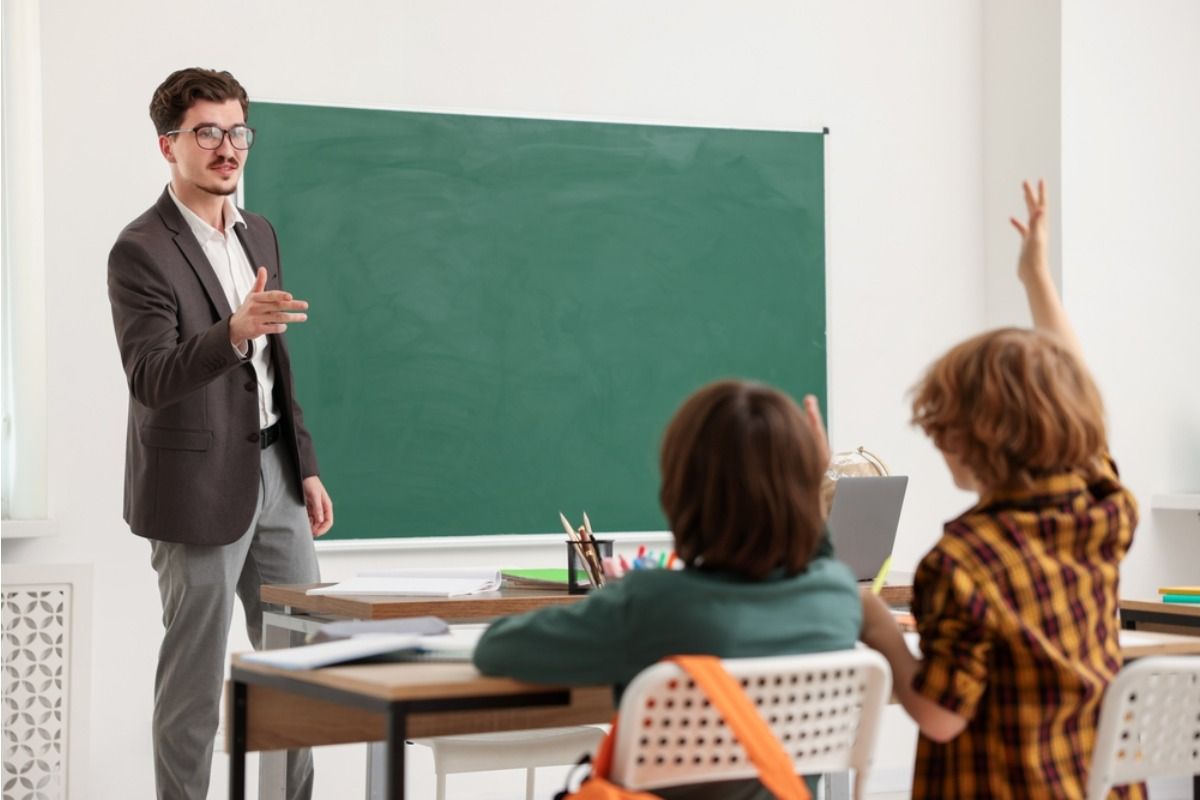
Being compared to classmates in front of others can feel like public judgment rather than feedback. Even if the intention is to motivate, the setting matters. Children may interpret it as being singled out. This can make the moment feel uncomfortable or embarrassing. The impact often goes beyond the lesson itself.
Confidence Can Drop Quickly
A single moment of comparison can affect how a child sees their abilities. They may start doubting themselves or feel they don’t measure up. This can reduce participation in class. Hesitation replaces confidence. Recovery can take time.
Focus Shifts From Learning to Self-Consciousness
Instead of concentrating on the subject, the child may start worrying about how they appear to others. This can distract from learning. Fear of being compared again may hold them back. Engagement becomes more cautious. The classroom feels less safe.
Students Respond Differently to Pressure
Some children may feel motivated by comparison, but others feel discouraged. There’s no universal reaction. Sensitivity levels vary widely. What works for one student may harm another. Individual differences matter.
Private Feedback Is Often More Effective
Many educators find that one-on-one feedback avoids embarrassment while still guiding improvement. It allows for honest discussion without peer pressure. Students are more receptive in a private setting. Confidence is easier to protect. Delivery makes a difference.
Parents Are Concerned About Emotional Impact
For many parents, the issue is not just academic performance but emotional well-being. They want their child to feel supported, not judged. Public comparison can feel harsh. It raises questions about teaching approach. Emotional safety is a priority.
Teachers May Be Trying to Motivate
In some cases, comparisons are used to highlight examples or encourage effort. The intention may not be negative. However, the effect can differ from the intent. Without careful wording, it can feel discouraging. Balance is important.
Classroom Culture Plays a Role
An environment that emphasizes growth and effort rather than comparison tends to support confidence better. Students feel safer making mistakes. Encouragement replaces competition. Culture influences behavior. The tone of the class matters.
Rebuilding Confidence Takes Support
Once confidence drops, it may take encouragement from both teachers and parents to rebuild it. Positive reinforcement helps. Small successes can restore belief. Consistent support is key. Recovery is gradual.
A Wider Conversation About Teaching Methods
This situation reflects ongoing discussions about how feedback is delivered in classrooms. The goal is to improve performance without harming confidence. Finding that balance isn’t always simple. Approaches are evolving. Awareness is increasing.
As more parents raise concerns about public comparisons, the focus is shifting toward feedback methods that support learning while protecting students’ confidence and sense of belonging.