A Mom Says Her Toddler Son Chose a Baby Doll at the Store, but Her Husband Demanded She Return It Because He Thought It Was “Too Girly”

A mother said her 20-month-old son recently discovered a baby doll while playing at someone else’s home. He immediately hugged it, pretended to feed it, and became visibly upset when the doll was taken away. Watching him have so much fun, she wondered why she shouldn’t simply buy him one of his own.
She brought the idea up with her husband, expecting perhaps a short conversation about toys. Instead, he was adamant that dolls were for girls and refused to consider buying one. The mother couldn’t understand why a five-dollar toy had suddenly become such a serious family issue.
A Simple Trip to the Store
A few weeks later, the mother went shopping with her son without her husband. As they walked past the doll aisle, the toddler spotted a baby doll and immediately reached toward it. He clearly wanted it, and because it cost only about five dollars, she decided there was no reason to turn the moment into a battle.
She bought the doll and watched her son’s face light up. He wasn’t thinking about whether the toy belonged in a boys’ or girls’ aisle. To him, it was simply a baby he could hold, feed, cuddle, and take care of.
Dad Wasn’t Happy
When they returned home, however, her husband was annoyed. He reminded her that he had specifically told her he didn’t want their son playing with dolls. He wanted her to return the toy because he believed it was too feminine for their little boy.
The mother found herself staring at the doll and wondering how something so harmless had become a disagreement about parenting. Her son wasn’t doing anything inappropriate or dangerous. He was simply enjoying an activity that adults had decided belonged to another category.
Then the Toddler Woke Up
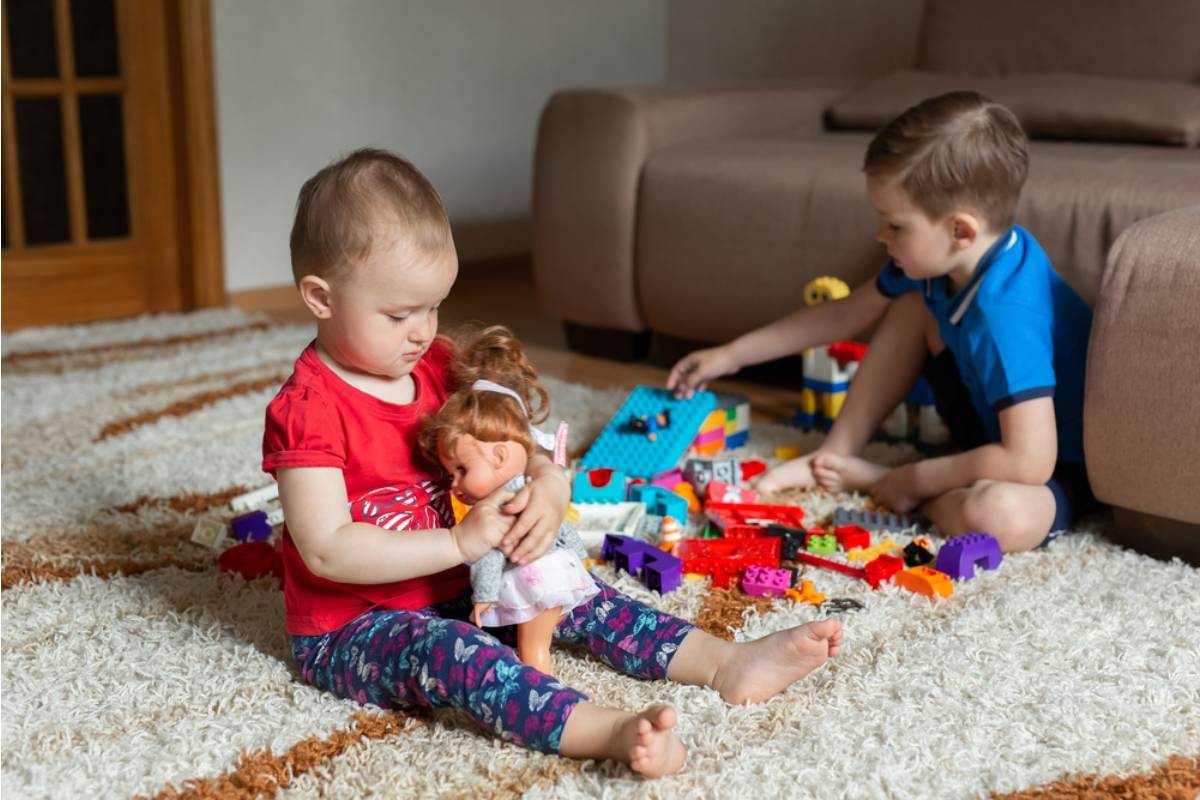
After his nap, the little boy spotted the baby doll almost immediately. His entire face lit up, and he ran straight toward it without hesitation. Within moments, he was happily playing with the doll and repeating the word “baby” over and over.
That reaction made the mother’s decision even easier. Whatever her husband thought about the toy, their son clearly loved it. She knew she wasn’t going to take away something that brought him so much innocent happiness simply because an adult had decided it was too girly.
A Response From a Person
A response from a person pointed out something almost comically obvious: little boys can grow up to become fathers themselves. From that perspective, learning how to hold, feed, comfort, and care for a baby isn’t exactly a strange skill for a boy to practice. The person wondered why a future father would be discouraged from learning those things through pretend play.
Another response from a person took the thought even further. They asked whether the father believed taking care of babies was only a woman’s responsibility. Suddenly, the argument over the doll seemed to be about much more than a toy sitting on the living-room floor.
The Missing Piece in the Story
As people learned more about the family’s situation, another detail emerged. The mother had apparently said that her husband had never changed the baby’s diaper and had barely held him when he was younger. Now that the child was older, the father did pick him up occasionally, but his involvement in childcare had apparently been limited.
He also hadn’t done much around the house, although he had recently started cooking occasionally. That information changed how some people viewed the doll argument. The question became less about whether a toddler should own a doll and more about what kind of example his father was setting.
What Was Dad Afraid Of?
Some people suspected the father’s concern wasn’t really about dolls at all. They believed he was worried that other people might think his son was feminine, gay, or somehow less masculine because he enjoyed caring for a baby doll. The toddler, of course, had absolutely no idea that adults had attached any of those meanings to his favorite toy.
A response from a person summed up the situation in a much simpler way: pretending to care for a baby isn’t masculine or feminine. It is simply a child pretending to care for a baby. The little boy wasn’t making a statement about his identity; he was playing.
Other Boys Loved Dolls Too
A response from a person shared a story about a son who adored baby dolls as a toddler. He would wrap them in blankets, carry them around, and even pretend to burp them. Years later, he had grown into a teenager with plenty of traditionally masculine interests and no apparent confusion about who he was.
Another person described a boy who transformed a Barbie Dream House into a school. In his imagination, Barbie became Spider-Man’s teacher, and the house became the setting for elaborate adventures. The toys didn’t limit his imagination; they gave him more characters, settings, and possibilities to work with.
The Toy Kitchen Argument
Then someone brought up toy kitchens, joking that apparently cooking must also be considered women’s work. The joke landed because plenty of boys love pretending to cook, bake, serve food, and run imaginary restaurants. Nobody would reasonably argue that learning to make food is somehow harmful to a child.
A response from a person pointed out that many famous professional chefs are men. Another shared a story about a boy whose relative once believed teaching him to bake would somehow influence his sexuality. Years later, that boy became a professional chef, proving that a mixing bowl had apparently failed to perform the sinister transformation everyone feared.
Pink Lunch Boxes and Unicorns
The stories kept coming. One parent explained that her son once chose a pink strawberry lunch box because he loved strawberries, while another child happily played with colorful toys that adults might have labeled as feminine. The children themselves seemed completely unconcerned with those categories.
Another person remembered a boy who loved My Little Pony so much that he had posters, pajamas, games, and favorite characters everywhere. He also enjoyed skateboarding, metal music, parkour, baking, and other activities people might traditionally associate with boys. His childhood interests didn’t trap him inside a single personality.
Creativity Doesn’t Read the Toy Aisle
A response from a person who worked in early childhood education made an especially straightforward point. Children benefit from having different kinds of toys available because they can experiment with different forms of imagination and play. A child doesn’t need an adult to decide that one toy is acceptable and another is forbidden based on gender.
The mother began looking at the baby doll differently. Instead of seeing it as a “girl’s toy,” she saw a tool for pretend play, storytelling, empathy, and imitation. Her son was practicing being gentle with something smaller than himself, and there was nothing embarrassing about that.
Maybe He Was Copying His Parents
One person shared a story about a toddler who desperately wanted to push a toy stroller. His father repeatedly tried redirecting him toward cars and other toys until someone pointed out an obvious detail. The little boy was simply copying his dad because he had seen his father pushing a real stroller and caring for him.
That made the mother wonder what her own son was seeing at home. Perhaps the toddler wasn’t imagining something feminine at all. Perhaps he was simply practicing the kind of caregiving he saw adults perform around him, even if his father didn’t recognize himself in the behavior.
The Future Father Nobody Was Thinking About
A response from a person joked that perhaps the father should consider the possibility that his son might someday become a dad. The comment sounded humorous, but it exposed the strange contradiction in the argument. Nobody should be embarrassed by a boy practicing skills he may genuinely need as an adult.
The toddler wasn’t being trained to become anything in particular. He was simply discovering the world through pretend play. If anything, learning to comfort a pretend baby could eventually make real childcare feel less unfamiliar.
The Argument Was Never Really About the Doll
As the mother thought about the disagreement, she began to realize that the five-dollar doll had become a symbol of something much larger. Her husband wanted to control which behaviors counted as masculine, while she wanted their son to explore whatever interested him. The two parents weren’t really arguing about plastic and cloth anymore.
They were arguing about what kind of childhood they wanted to give their son. One approach said the boy should avoid anything considered feminine, while the other said he should be allowed to discover his own interests. The toddler remained completely unaware of the philosophical debate happening around him.
The Five-Dollar Toy Won
The next time the little boy picked up his baby doll, he didn’t care about any of those arguments. He hugged it, called it “baby,” and happily continued playing. His joy was immediate and uncomplicated, exactly the way childhood play is supposed to be.
His mother watched him and realized that returning the doll would teach him something she didn’t want to teach. It would tell him that some harmless interests could make an adult uncomfortable enough to take them away. She would rather let him play freely and figure out who he was over many years instead of deciding it for him at 20 months old.
The Twist Was Sitting in the Living Room
The funniest part of the entire situation was that the father was worried about his son becoming “too girly” while the toddler was practicing something his own father should already have considered important. The little boy was learning how to hold a baby, feed a baby, comfort a baby, and care for someone smaller than himself. In other words, he was practicing being nurturing.
And there he sat, completely delighted with his five-dollar doll, while the adults argued about what the toy supposedly represented. The mother finally saw the twist clearly: the toy her husband considered a threat to his son’s masculinity might actually be teaching the boy one of the most valuable lessons his father could have given him, how to be a caring dad someday.