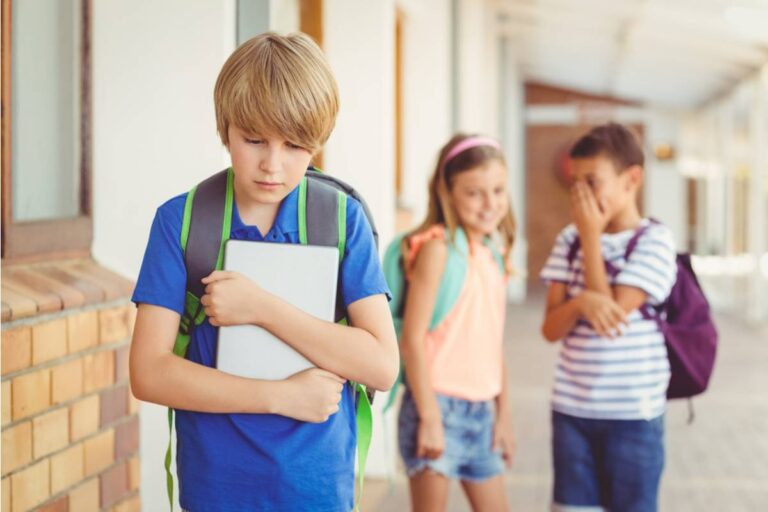
A Mom Worried Her 12-Year-Old Had Friends but No Best-Friend Group, Until Experts Explained What Parents Often Get Wrong About Childhood Friendship

After her family moved into a new apartment complex earlier in 2026, one mother began thinking more closely about her 12-year-old son’s social life. In an article published by CaféMom, she explained that finding a home near other children his age had been important to the family. When she discovered that some of his school friends also lived in the complex, she hoped the arrangement would help those relationships grow beyond the classroom.
Making friends had not always come easily to her son, so having familiar children nearby seemed like a promising opportunity. The mother said the new arrangement appeared to be helping, but it also prompted her to reconsider her expectations about friendships at his age. She wondered whether having a best friend or belonging to a recognizable group was still the standard she remembered from her own childhood.
Her Own Childhood Made It Difficult Not to Compare
The mother remembered having several people she considered her best friends when she was 12. Some of those friendships had lasted into adulthood, giving her a personal example of how meaningful childhood connections could become over time. Although she understood that her son was his own person, she still found herself comparing his experiences with hers.
That comparison raised a difficult question for a parent trying to understand whether a child was doing well socially. If a child has people to talk to and spend time with but does not have a closest friend, it can be tempting to assume something important is missing. Yet the absence of a familiar friendship label does not necessarily mean a child is unhappy or struggling.
Experts Say Every Child Does Not Need a Best Friend
Dr. Marnee Firestone, a licensed clinical psychologist, challenged the idea that every tween or teenager should naturally have a best friend. Some children develop deep, lasting friendships early, while others take longer to build that kind of relationship. Her advice focused on whether children feel connected, accepted, and valued rather than whether they can identify one person as their closest friend.
That distinction matters because parents can mistake a particular type of friendship for a requirement that applies to everyone. A child might feel comfortable moving between different friends without wanting to belong to one tightly connected group. Another child might eventually develop a close friendship but simply not have reached that point yet.
Friendships Change as Children Begin Figuring Out Who They Are
Firestone also explained that friendships can change dramatically during the tween and teenage years. Children are developing their identities, discovering new interests, and learning how they fit into increasingly complicated social groups. Those changes can influence whom they spend time with and what they expect from their relationships.
The American Psychological Association’s discussion of how children navigate friendship explores how the meaning of friendship develops from early childhood through adolescence. Younger children may place considerable importance on fairness and strict expectations, while older children gradually become more comfortable with complicated relationships and having several friends. This progression helps explain why a parent’s memories of childhood friendships may not match the experience of a child growing up today.
Tween Boys May Build Friendships Through Shared Experiences
The mother was also curious about how boys navigate friendships as they approach their teenage years. Dr. Kamran Eshtehardi, a clinical psychologist in Pasadena, California, explained that boys around this age are increasingly concerned with developing a sense of identity. Their friendships may become more meaningful as they build connections around shared experiences, interests, humor, and loyalty.
These relationships do not always look like the close-knit groups adults remember from school. Some friendships develop through repeated activities and familiar jokes rather than long conversations about personal problems. A boy who regularly plays games with classmates or enjoys spending time with several different peers may still be forming important social connections.
The Pandemic May Have Complicated Some Social Experiences
The mother also considered how the COVID-19 lockdowns might have influenced children who spent some of their early school years learning remotely. Ordinary school experiences give children opportunities to practice taking turns, reading nonverbal cues, participating in groups, and managing disagreements. Eshtehardi suggested that disruptions during those years may have affected how comfortably some tweens handle social situations.
Research provides context for the broader developmental challenges children faced during the pandemic, although it does not establish that every child experienced a social delay. A National Institute of Mental Health research summary described a study in which adolescents assessed after pandemic shutdowns reported more anxiety and depression symptoms than adolescents assessed before the pandemic. The study examined mental health and brain development rather than whether children could form best friendships, so its findings should not be treated as proof that lockdowns caused any particular child’s friendship difficulties.
Video Games Became One Way for Her Son to Connect With Peers
The mother’s experience showed how some friendships can develop through activities that do not necessarily begin with traditional playdates. Before her son had his own phone, she noticed that he often connected with other children by asking what video games they played. When classmates used Roblox, they sometimes exchanged usernames so they could arrange to play together.
These gaming sessions offered a way to spend time with peers outside school without immediately arranging an in-person visit. Eshtehardi explained that video games can give children shared interests and a common language, helping them find things to talk about with other children. Those common experiences can sometimes provide a starting point for friendships that continue in person.
Online Friendships Can Help, but They Are Not the Whole Picture
Gaming and online communication can create opportunities for connection, particularly for children who find traditional social situations uncomfortable. A familiar game gives children something specific to discuss, which may make interactions feel more natural than trying to start a conversation without an obvious topic. It can also help classmates maintain contact when they are not together at school.
However, Eshtehardi warned that online interaction could become an obstacle if children increasingly avoid socializing in person. When digital communication becomes more comfortable than face-to-face interaction, a child may miss opportunities to practice handling everyday social situations. The important distinction is not whether a child plays games with friends, but whether those activities support a broader social life or gradually replace interactions the child would otherwise like to have.
Being Excluded Is Different From Gradually Growing Apart
Dr. Bonnie Mitchell, a clinical director who works in mental health treatment and stabilization, explained that parents should distinguish between social exclusion and social drift. The two situations can leave a child feeling alone, but they do not necessarily have the same cause. Understanding the difference can help parents respond without assuming that every change in a friendship is deliberate rejection.
Social exclusion involves intentional behavior that keeps someone out of a group or makes them feel unwelcome. Social drift, by contrast, occurs when relationships change gradually, often without anyone deciding to reject the other person. A child who is experiencing one situation may need a different kind of support from a child experiencing the other.
Intentional Exclusion Can Leave a Child Feeling Rejected
Mitchell described social exclusion as an active process in which other children deliberately prevent someone from participating. That might mean a child is deliberately left out of an event attended by the rest of the group or directly told they cannot join classmates at lunch. Such behavior sends a clearer message of rejection than simply spending less time together.
For a parent, the challenge is determining whether a child is being excluded or whether a friendship group is changing for other reasons. A single missed invitation may not tell the whole story, especially when plans are informal or children have different interests. Repeated incidents, direct statements, and a pattern of being prevented from participating can provide more useful clues about what is happening.
Social Drift Can Happen Without Anyone Being at Fault
Social drift is often less direct and more gradual than intentional exclusion. Children may stop spending as much time together because they develop different interests, join different activities, or mature at different rates. A friendship that once felt close can become less central without either child deliberately ending it.
That distance can still be disappointing, particularly when a child remembers how much time they used to spend with someone. Parents might notice that familiar friends no longer seek each other out as frequently, even when there has been no obvious argument. In these circumstances, helping a child understand that relationships can change may be more useful than treating every shift as evidence that something has gone wrong.
Parents Can Help Most by Making Home a Safe Place to Talk
When a child feels left out, a parent’s natural reaction may be to intervene immediately. Firestone and Mitchell advised parents to resist the urge to solve everything before understanding what the child is experiencing. Their approach begins with making it clear that the child can talk honestly about friendships without being judged or pressured.
Guidance from Harvard Health Publishing on helping children make friends similarly emphasizes supportive communication without excessive parental involvement. Parents can ask about their child’s day, listen to how social encounters felt, and try to understand the situation from the child’s perspective. A supportive conversation can help children feel understood while allowing them to work toward their own solutions.
Asking Questions Can Be Better Than Immediately Giving Advice
Firestone suggested that parents find out whether a child wants to talk through a difficult experience or receive advice about what to do next. That simple distinction gives children more control over conversations about their friendships. A parent who immediately starts offering solutions may unintentionally make a child feel that their feelings have been overlooked.
When a child does want guidance, Mitchell recommended using open-ended questions that encourage them to consider their options. A parent might ask what the child thinks a good friend should do or how they would like to handle a particular disagreement. Parents can also help children put their feelings into words or practice a conversation they may find difficult to begin.
Shared Interests Can Create Opportunities for New Friendships
Another option is helping children spend time in settings where they can meet peers with similar interests. Mitchell suggested considering activities such as clubs and sports teams, particularly those that give children opportunities to connect outside an existing friendship group’s complicated dynamics. These activities offer something concrete to do together, making the early stages of meeting someone new less intimidating.
The Child Mind Institute’s guidance on helping children make friends also emphasizes practice, supportive playdates, and opportunities to develop social skills. Structured activities can give children a natural reason to interact repeatedly rather than expecting them to create a close relationship immediately. The goal is to provide opportunities for connection, not to guarantee that every activity produces a new best friend.
There Are Times When Parents Should Get More Involved
Giving children space does not mean ignoring a persistent pattern of rejection. If a child repeatedly reports being excluded from school activities or experiences continuing problems with classmates, parents may need a clearer picture of what is happening. The circumstances become especially concerning when exclusion is accompanied by harassment, bullying, or behavior that makes the child feel unsafe.
The American Academy of Pediatrics’ guidance on helping children navigate peer problems recommends contacting a child’s teacher when rejection appears to be a pattern. Teachers and school staff may be able to provide information about interactions during lunch, recess, and other parts of the school day that parents cannot observe directly. Depending on the situation, speaking with a school counselor or pediatrician may also help families determine what kind of support is needed.
Changes in Behavior Can Signal a Deeper Problem
Mitchell identified several warning signs that call for closer attention, including sadness or isolation that continues for more than a week or two. Other concerns include declining grades, losing interest in hobbies, changes in sleep or eating habits, and avoiding school. These changes may indicate that a child is struggling with more than the absence of a best friend.
Mitchell also highlighted harassment, cyberbullying, physical threats, and withdrawal from everyone, including family members, as reasons for intervention. Parents should consider the overall pattern rather than judging a child’s well-being by the number of friends they have. When distress persists or safety becomes a concern, appropriate support from school staff or a qualified health professional may be important.
A Child’s Personality Should Not Be Confused With a Social Problem
Some children enjoy large groups and frequent social activities, while others feel more comfortable with a few familiar people. A preference for quiet time or one-on-one friendships does not automatically mean a child is lonely or struggling to connect. Parents therefore need to consider whether their children seem comfortable with their social lives rather than comparing them with more outgoing classmates.
Psychologists at Cleveland Clinic explain the difference between introversion and shyness and note that a child may simply prefer a smaller circle of friends. Fear of rejection or social anxiety presents a different challenge from choosing to spend less time in groups. Recognizing that difference can help parents decide whether their child needs more opportunities to connect, additional coaching, or simply acceptance of their individual temperament.
The Goal Is to Help Children Feel Connected, Not Force a Friendship Group
There is no guaranteed way for a parent to ensure that a child develops a close-knit group of friends. Friendships depend on shared interests, circumstances, personalities, and the choices of other children, none of which a parent can completely control. What parents can do is offer encouragement, create opportunities to connect, and pay attention when a child appears genuinely distressed.
For the mother who raised the original question, the move into a new apartment complex appeared to be helping her son spend time with other children. Her experience prompted a wider question about whether the friendship milestones adults remember are necessarily the ones their children need to reach. The experts’ message was that a missing best-friend group is not automatically a problem, and that a child’s sense of connection, acceptance, and well-being matters more than whether their friendships match someone else’s expectations.