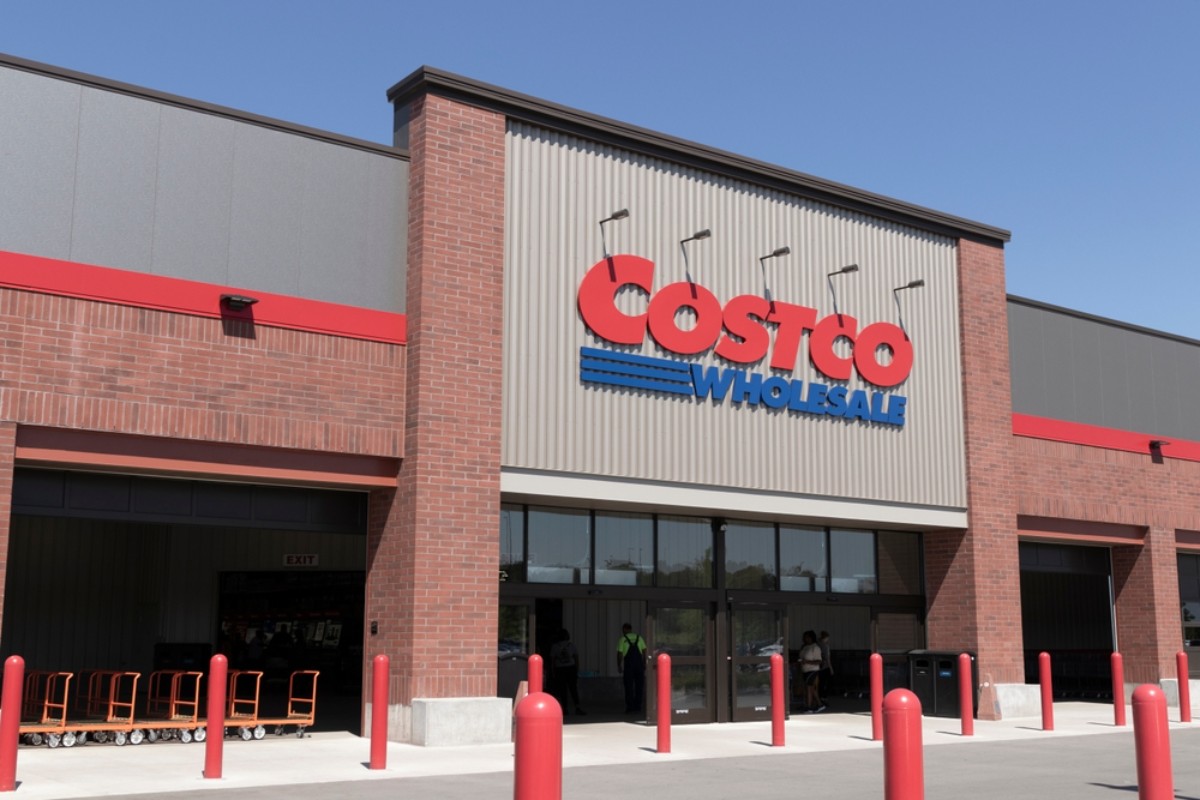
Costco Faces Lawsuit Over Alleged Mislabeling of Kirkland Rotisserie Chicken

A recent lawsuit has been filed against Costco, claiming that the company mislabels its Kirkland Signature Rotisserie Chicken as containing “no preservatives.” The lawsuit alleges that the chicken actually contains ingredients that are classified as preservatives, which contradicts the product’s labeling. This has raised concerns among consumers who prioritize transparency in food labeling, especially parents who are increasingly vigilant about what they feed their families.
Understanding the Allegations
The lawsuit specifically points out that the rotisserie chicken includes sodium phosphate and other ingredients that can function as preservatives. The complaint argues that these ingredients should disqualify the chicken from being labeled as having “no preservatives.” The legal action was initiated in a California federal court, where the plaintiff seeks to hold Costco accountable for what they perceive as misleading marketing practices. This situation highlights the importance of accurate labeling in the food industry, particularly for products that are staples in many households.
Implications for Families
For parents, this lawsuit serves as a reminder to carefully read food labels, especially when it comes to prepared meals. Many families rely on Costco’s rotisserie chicken for its convenience and perceived health benefits. The idea that a product marketed as preservative-free may not be entirely accurate can be concerning. Parents often strive to provide their children with wholesome, nutritious meals, and any ambiguity in labeling can lead to confusion and mistrust.
The case also raises questions about the broader implications for food labeling regulations. If the lawsuit succeeds, it could prompt other companies to reevaluate their labeling practices to ensure compliance with consumer expectations and legal standards. This could ultimately lead to more transparent practices across the food industry, which would be beneficial for families looking to make informed choices about their diets.
Navigating Food Choices
As parents navigate the complexities of food choices for their families, it’s essential to stay informed about what is in the products they purchase. While Costco’s rotisserie chicken is popular for its taste and convenience, this lawsuit underscores the necessity of vigilance regarding food labeling. Parents may want to consider alternative options or prepare meals from scratch to have more control over the ingredients their families consume.
Additionally, engaging in conversations with children about food choices can be a valuable teaching moment. Discussing why certain ingredients are included in foods and what they mean can help children develop a better understanding of nutrition and healthy eating habits. This knowledge can empower them to make informed decisions as they grow older.
In light of this lawsuit, it may also be beneficial for parents to explore local markets or organic options that emphasize transparency in their labeling. Many consumers are increasingly interested in knowing where their food comes from and how it is processed. By seeking out products with clear and honest labeling, families can feel more confident in their food choices.
The outcome of the lawsuit could take time, but it serves as a catalyst for discussions around food labeling and consumer rights. Parents can stay updated on the case and consider how it might influence their purchasing decisions moving forward. While the convenience of ready-made meals is appealing, ensuring that those meals align with family values regarding health and nutrition is equally important.
As the case unfolds, it will be interesting to see how Costco responds and whether they make any changes to their labeling practices. For now, parents are encouraged to remain proactive in understanding what they are feeding their families and to advocate for transparency in food labeling. This lawsuit may ultimately lead to a more informed consumer base, which can only benefit families in the long run.