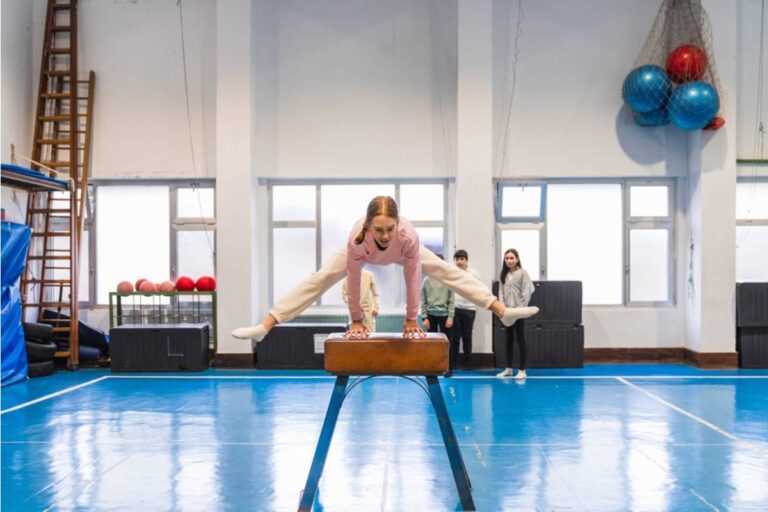
A Teen Says Her Parents Started “Voting” on Her Life Decisions Like It’s a Family Democracy, Now She Says Nothing Feels Personal Anymore

It began one night when her father jokingly suggested they should “vote” on what movie she should watch. Her mother laughed and said it sounded fair since everyone had opinions anyway. The teen did not think much of it at first. She assumed it was just a one time family joke. They picked a movie, everyone voted, and the night continued normally. Nobody realized it would become a pattern.
Small Choices Become Group Decisions
Within a week, the family had extended the voting idea to small daily decisions. What to eat for dinner, what show to watch, even what time to go out for errands. The teen noticed she was no longer just deciding things for herself. Everything required discussion and agreement. Even simple preferences were now debated. The house started feeling less spontaneous.
The First Time It Felt Wrong
The shift became obvious when she wanted to change her hairstyle. Her parents said they should “put it to a vote” at dinner. She laughed at first, thinking they were joking again. But they were serious and prepared to discuss it like a family agenda item. That was the moment she felt uncomfortable. Something personal was suddenly open for approval.
Family Meetings Replace Conversations
Soon, conversations turned into structured discussions. Her parents would sit her down and ask for “agenda items.” She started dreading when her name was mentioned. Even casual ideas had to be reviewed by everyone. It felt less like a family and more like a committee. She stopped sharing small thoughts altogether.
Friends Notice Something Has Changed
Her friends began noticing she hesitated before answering simple questions. When asked what she wanted to do on weekends, she often said she was “waiting to check.” They assumed she meant plans with parents or friends. She did not correct them. Explaining felt too complicated. The idea of personal choice was fading from her everyday language.
A Decision About a School Activity
Things escalated when she wanted to join a school club. Her parents said it needed to be discussed and voted on because it involved time and responsibility. She tried explaining that it was her choice. They responded that they were just being “involved parents.” The conversation lasted longer than expected. In the end, she felt like she had to convince them to let her participate in her own interest.
The Vote That Sparked Real Frustration
During one family meeting, she proposed doing something alone with a friend. Instead of agreeing or disagreeing, her parents called for a vote. Her mother supported it, her father hesitated. They debated it like a formal issue. She sat there waiting for a decision about something that felt simple. When it was finally approved, she no longer felt excited.
A Growing Sense of Losing Ownership
Over time, she stopped suggesting things altogether. It felt easier not to bring ideas into a system where everything was evaluated. Her parents interpreted her silence as agreement. In reality, she was withdrawing. Nothing felt like hers anymore, not even her preferences. Everything had to pass through approval first.
A Conversation With a Friend
One afternoon, she told a friend about the family voting system. Her friend reacted with disbelief and asked if she was serious. The teen realized how unusual it sounded when said out loud. She tried to explain it in a way that made sense, but even she struggled. It suddenly felt heavier than she had admitted to herself. The normal she lived in did not sound normal outside her home.
The Breaking Point at Dinner
The turning point came when she said she did not want to vote anymore on a personal decision. Her parents were confused and said they were just trying to be fair. She responded that not everything needed group approval. The room went quiet. It was the first time she clearly pushed back against the system they created.
A Family Argument About Boundaries
Her parents argued that they were simply staying involved in her life. She said it felt like she had no private space for her own thoughts. The discussion became emotional on both sides. They insisted they were helping her learn responsibility. She said she was losing her sense of independence. Neither side fully understood the other in that moment.
A New, Uneasy Adjustment
After that night, the voting system started to fade, but slowly. Her parents began asking fewer formal questions. They still struggled to fully let go of the habit. She noticed small changes but remained cautious. It was unclear if things were truly different or just paused. The shift felt fragile.
Learning to Speak for Herself Again
She started making small decisions without waiting for approval. At first, it felt unfamiliar and even uncomfortable. Her parents sometimes reacted with surprise but did not intervene. She began rebuilding a sense of personal choice. It was not instant, but it was returning. And for the first time in a long while, some decisions felt like they actually belonged to her.