A Mom’s Request to Ban Oreos From School Lunches Sparked a Viral Parenting War, but the Story’s Biggest Twist Raised Questions About Whether It Happened at All

A request about what children should bring for lunch turned into a viral parenting saga known as “Oreogate,” centered on a mother who reportedly asked other families to stop packing Oreos for their children. The New York Post’s August 25 report described how the request, presented through a group-chat exchange, triggered a wave of criticism and online jokes. But subsequent reporting uncovered a more complicated story involving an AI music app, a paid creator partnership, and unanswered questions about the dispute’s authenticity.
The posts came from an Instagram creator using the name Ashleigh Jamz, whose account presented an unfolding disagreement between parents at a child’s school. The central character was a mother named Michelle, who allegedly wanted other parents to reconsider the snacks they put in their children’s lunchboxes. What began as an argument about cookies soon became a much larger conversation about parental boundaries, children’s disappointment, and the stories people encounter on social media.
The Request That Started the Oreo Controversy
In the original series, Michelle approached a group of mothers connected to her daughter Ava’s kindergarten class with a request about school lunches. She reportedly asked the other families to establish some basic rules about the food their children brought to school. Her concern centered on Oreos and similar treats that she did not allow Ava to eat at home.
The request initially appeared to some participants to involve an allergy or another food-safety concern. Michelle’s messages, however, indicated that her objection was about her daughter seeing other children eat foods she could not have. She reportedly wanted the other parents to avoid packing cookies, candy, and similar treats so the children would be less likely to compare their lunches.
Michelle’s Explanation Changed the Conversation
The distinction between a food allergy and a disagreement over household rules was central to the story. An allergy could require specific safety precautions from a school and its families, whereas Michelle’s stated concern involved her daughter wanting a treat after seeing another child enjoy one. According to the messages shown in the series, she was asking other parents to change their decisions rather than simply explaining the restrictions followed in her own household.
Michelle reportedly explained that Ava had returned home upset after seeing another girl with Oreos in her lunchbox. She wanted the other mothers to prevent similar situations from happening again, suggesting that removing the tempting snacks would help stop the children from comparing what they had. For the group chat, that proposal opened a difficult question about whether one family’s rules should influence what every other family packs.
The Disagreement Returned After Another School Day
The story did not end with the initial exchange, at least as the social-media series presented it. Michelle reportedly returned to the group chat a few days later, explaining that Ava had again become upset after seeing Oreos during lunch. The repeated complaint suggested that the original request had not changed what other families were sending to school.
A mother identified as Charlotte reportedly acknowledged that she had packed Oreos for her own child but said the cookies had already been in the lunchbox before Michelle raised the issue. Another participant, Jenny, expressed frustration with the continuing argument and questioned why the situation was becoming so serious. Michelle, meanwhile, maintained that her daughter’s repeated distress deserved to be taken seriously.
The Dispute Eventually Reached the Teacher
As the conflict continued in the circulating screenshots, Michelle reportedly decided to contact the teacher rather than rely solely on the other parents’ cooperation. She asked for an approved snack list that families would follow when preparing their children’s lunches. The request took the disagreement beyond a private discussion and into the school’s handling of everyday food choices.
A BuzzFeed report published August 25 documented the early installments and described the school’s response as it appeared in the creator’s posts. The message shown in the series said that healthy choices were encouraged where possible, while each child’s lunchbox remained the responsibility of that child’s parents. Rather than introducing a classwide restriction on Oreos, the response placed the decision back with individual families.
Other Mothers Refused to Change Their Lunches
The group-chat participants did not appear willing to accept Michelle’s request as a rule everyone needed to follow. Their responses reflected a straightforward objection: a parent could decide what a child ate at home without automatically gaining authority over another family’s lunchbox. Some mothers also indicated that changing an already prepared lunch because of another parent’s preferences was unreasonable.
Their reported objections helped drive the story’s popularity because the conflict presented competing ideas about parenting responsibilities. Michelle’s position focused on preventing her daughter from encountering something she wanted but could not have. The other mothers’ responses centered on keeping their own choices independent of another family’s household rules.
The Cookie Dispute Took an Even More Absurd Turn
In later installments described by the New York Post, Michelle allegedly escalated her efforts to keep Oreos away from Ava. The report said she went to the school and searched other children’s lunchboxes for the cookies before asking that Ava be seated away from children eating them. Those allegations came from the online narrative and were not independently established through separate reporting about the school.
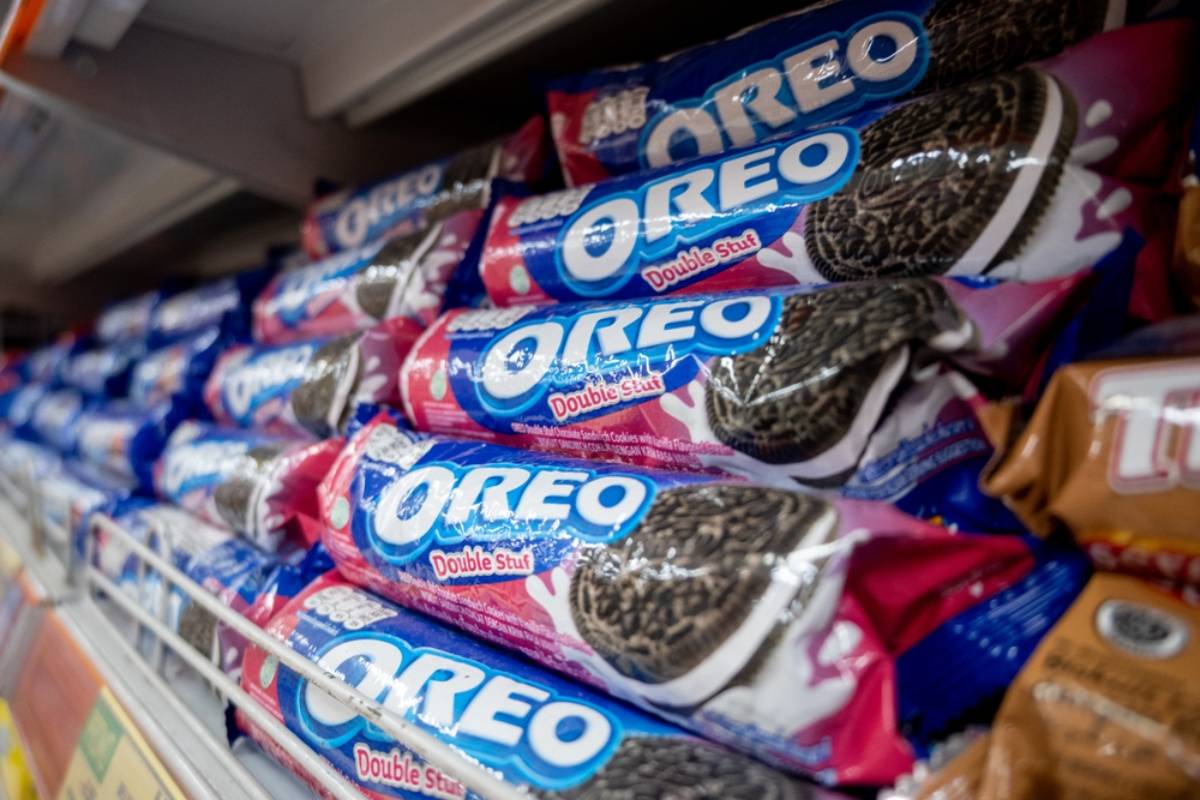
The series also described the other mothers responding by deliberately packing Oreos for their own children. Some reportedly sent two cookies instead of one, while another chose the Double Stuf variety. The supposed escalation turned an already contentious discussion into the sort of exaggerated showdown that audiences could easily follow from one installment to the next.
The Internet Turned Oreogate Into a Parenting Debate
Once the messages began circulating, the disagreement attracted attention from people who had no connection to the alleged school or its families. Many online reactions focused on the idea that children cannot always be protected from seeing other people enjoy something they are not allowed to have. Others found the reported request so unreasonable that they joked about buying Oreos specifically to support the children whose lunchboxes had become the center of the controversy.
The reaction was not entirely one-sided, however. Some people sympathized with the difficulty of watching a child feel left out, even if they disagreed with Michelle’s proposed solution. Others questioned whether the story represented a useful lesson in handling disappointment or simply a deliberately provocative piece of internet entertainment.
Oreo Cookies Became Part of the Joke
As the discussion spread, Oreos became more than the snack at the center of the alleged dispute. People began using the cookies as a humorous symbol of the wider disagreement about parenting, fairness, and the rules families expect others to follow. The New York Post reported that a verified Oreo account joined the online conversation with a joke about the controversy.
The brand’s appearance in the discussion helped demonstrate how rapidly a small social-media story could attract attention beyond its original audience. For participants in the online conversation, a familiar packaged snack provided an easy reference point for jokes, reactions, and arguments about parenting styles. The growing attention also made the story potentially useful to brands and creators looking for content that audiences would share.
The Series Reached Millions of Views Through Music
One of the distinctive features of Oreogate was the way Ashleigh Jamz presented the alleged messages. Rather than simply publishing screenshots, the creator turned the exchanges into songs using Suno, an artificial-intelligence music platform. Each installment combined the unfolding dispute with a musical retelling that made the messages feel like episodes in an ongoing drama.
The format helped transform a familiar parenting disagreement into serialized entertainment. Viewers could follow new developments, react to individual characters, and return for another installment as the conflict supposedly escalated. The songs also gave the series a recognizable format that could be repeated across other stories involving personal disagreements.
A Paid Partnership Added a Major Complication
The most significant development came when the story’s commercial connection received closer scrutiny. In an August 28 investigation, Business Insider reported that Suno confirmed Ashleigh Jamz was one of its paid creator partners. The publication also noted that the Oreogate posts carried the hashtag #sunopartner, indicating the creator’s connection to the AI music company.
Suno told Business Insider that its creator partners had freedom over how they used the platform and what content they made. That distinction matters because it does not establish that Suno designed the Oreo dispute or directed the events portrayed in the videos. The company also said it had no control over the specific content of its partners’ advertisements, according to the report.
The Partnership Did Not Prove the Story Was Fictional
The existence of a paid partnership raised questions about how viewers should interpret the videos, but it did not conclusively establish that the underlying messages were fabricated. Business Insider investigated whether the alleged exchange had occurred in real life and noted reasons for skepticism about its authenticity. The publication did not establish whether the saga was a firsthand account, a fictional narrative inspired by real experiences, or a mixture of the two.
Ashleigh Jamz responded to an initial inquiry by saying she had deliberately avoided discussing the specific people and messages while the story was attracting widespread attention. According to Business Insider, she did not answer the reporter’s subsequent follow-up questions. Without a clear explanation from the creator or independent confirmation of the alleged group chat, the central authenticity question remained unresolved.
Other Social-Media Stories Added to the Suspicion
The questions became more pressing when Business Insider examined the creator’s broader account. The publication reported that her other posts followed a similar format, turning supposed private disputes about situations such as workplace conflicts and bachelorette parties into songs made with Suno. That recurring approach suggested the account was organized around dramatized, shareable stories rather than ordinary personal updates.
The format itself does not prove that any particular story is invented. Real people can choose to turn genuine experiences into entertainment, and a creator can have a commercial partnership while discussing events that actually happened. However, when a story depends on private messages that outside reporters cannot verify, viewers have limited ways to distinguish firsthand accounts from fiction written to resemble them.
Oreogate Fit Into a Wider Trend in Online Advertising
The case also appeared amid growing discussion about advertising that resembles ordinary personal storytelling. In a July 30 newsletter examining storytime videos, Rachel Karten and writer Kate Lindsay discussed how creators can use dramatic scenarios involving bad bosses, difficult relatives, and relationship conflicts to promote products. Such content can attract audiences because it appears to offer a compelling personal story rather than a conventional advertisement.
That broader trend provides context for the questions surrounding Oreogate, but it does not settle the facts of this particular case. The existence of similar promotional formats is not proof that the events depicted in every viral series are fictional. The important distinction is between a documented commercial relationship and an unverified claim about what happened behind the scenes.
The Story Also Raised Questions About Parenting and Disappointment
Separate from the authenticity debate, Oreogate prompted a familiar disagreement about how parents should handle situations in which children want what someone else has. In a Parents.com analysis of the controversy, the publication examined reactions ranging from criticism of Michelle’s reported request to arguments that children need opportunities to learn how to handle disappointment. The discussion also raised concerns about making ordinary foods into sources of anxiety or conflict.
There is a meaningful difference between protecting children from genuine health risks and trying to remove every source of envy or frustration from their environment. Families can set their own rules about sweets while teaching children that their classmates may have different foods, privileges, and restrictions. Even if the Oreogate narrative was designed for entertainment, that underlying parenting question helps explain why so many people found it worth discussing.
What the Oreo Controversy Actually Established
The documented online story is clear in several respects: Ashleigh Jamz published a viral series about a kindergarten lunchbox dispute, the videos used songs created with Suno, and Suno confirmed that the creator was a paid partner. Early coverage recorded significant attention to the series, while later reporting examined concerns about whether the supposed group-chat exchange had occurred as presented. Those facts are distinct from the truth of every incident described inside the videos.
What remains unconfirmed is whether Michelle, Ava, and the other parents experienced the entire dispute as portrayed. The available reporting does not establish that the lunchbox searches, school interactions, or other alleged events occurred outside the social-media narrative. Ultimately, Oreogate became a story about two things at once: a seemingly small argument over school snacks and the growing challenge of telling authentic personal accounts apart from carefully packaged internet entertainment.