A Parent Says a Neighbor Keeps Correcting Their Child’s Behavior in Public, and It’s Starting to Cross a Line

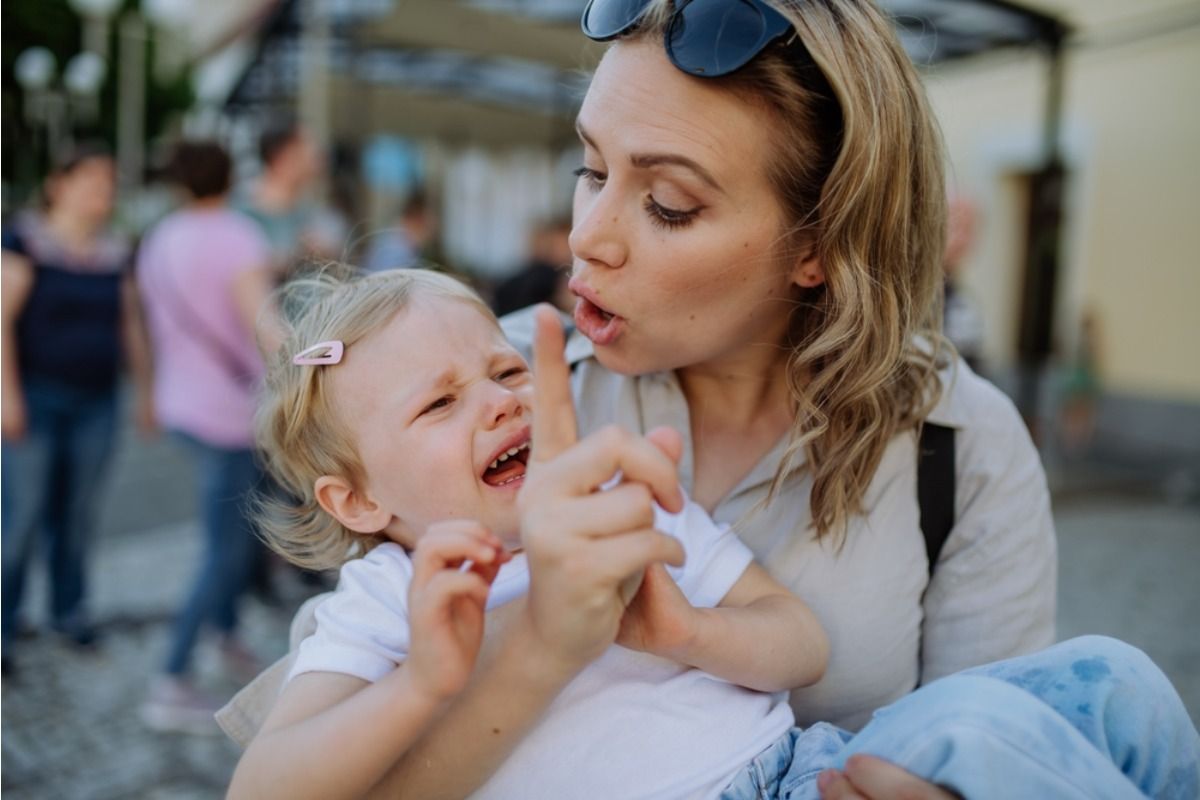
A parent says a neighbor has been repeatedly correcting their child’s behavior in public, and it’s now becoming a source of tension because it feels like the line between concern and overstepping is being crossed.
Unwanted Correction Feels Intrusive
When someone outside the family steps in to correct a child, it can feel uncomfortable for parents. Even if the intent is good, it may come across as judgment rather than help. Parents usually expect to handle behavior themselves. Repeated вмешательство feels intrusive. Boundaries start to feel unclear.
Public Settings Make It More Sensitive
Being corrected in front of others can be embarrassing for both the child and the parent. It adds a social layer to the situation. What might be a small issue becomes more noticeable. Public attention increases pressure. The setting amplifies the impact.
Intent vs. Impact Can Differ
The neighbor may believe they are helping or promoting good behavior. However, the way it is received can be very different. Even well-meaning actions can feel controlling or critical. Intent doesn’t always match perception. This gap creates conflict.
Children Can Become Confused
When someone outside the family corrects them, children may not know whose instructions to follow. This can create inconsistency in expectations. They might feel unsure about rules or authority. Confusion can lead to frustration. Clear boundaries help avoid mixed signals.
Parents Feel Their Role Is Being Challenged
Discipline and behavior correction are usually seen as parental responsibilities. When others step in repeatedly, it can feel like that role is being undermined. This can lead to tension even if the behavior being corrected is minor. Authority boundaries matter to parents. Respect for roles is important.
Repetition Makes It Harder to Ignore
A single comment might be overlooked, but repeated corrections become harder to dismiss. It starts to feel like a pattern rather than an occasional remark. Over time, frustration builds. Frequency changes perception. Small actions accumulate.
Social Boundaries in Communities Matter
Neighbors often share spaces where children are present, such as streets, parks, or buildings. This can blur lines about when intervention is appropriate. While community care is valuable, overinvolvement can feel intrusive. Balance is needed. Respecting space is key.
Communication Could Prevent Escalation
A calm conversation between the parent and neighbor might help clarify expectations. Many issues come from misunderstanding rather than bad intent. Setting boundaries respectfully can reduce tension. Open dialogue helps avoid assumptions. Clarity improves relationships.
Children May Feel Self-Conscious
Repeated correction from someone outside the family can make a child more aware of being watched. This may affect their comfort in public spaces. They might become anxious or withdrawn. Emotional impact should be considered. Feeling safe matters.
A Wider Issue of Parenting Boundaries
This situation reflects a broader question about how much intervention is appropriate from non-parents in a child’s behavior. Community awareness is valuable, but boundaries are also necessary. Most families prefer guidance to come directly from them. Respecting those limits helps maintain harmony.
As more parents encounter similar situations, the focus is shifting toward clearer social boundaries, so that concern for children remains supportive without becoming overstepping or uncomfortable for families.