A Parent Says Their Child Was Told to Apologize for Something They Didn’t Do Just to “Keep the Peace,” and It Doesn’t Sit Right

A parent says their child was told to apologize for something they didn’t do just to “keep the peace,” and it’s raising concerns about fairness, accountability, and what kids are being taught in those moments.
Apologies Lose Meaning When They’re Forced
When a child is asked to say sorry without believing they did anything wrong, the apology can feel empty. Over time, this may teach kids that apologies are just a tool to end conflict, not a way to take responsibility. The meaning behind the word starts to fade. It becomes routine rather than sincere. That can create confusion about honesty.
Fairness Becomes a Key Concern
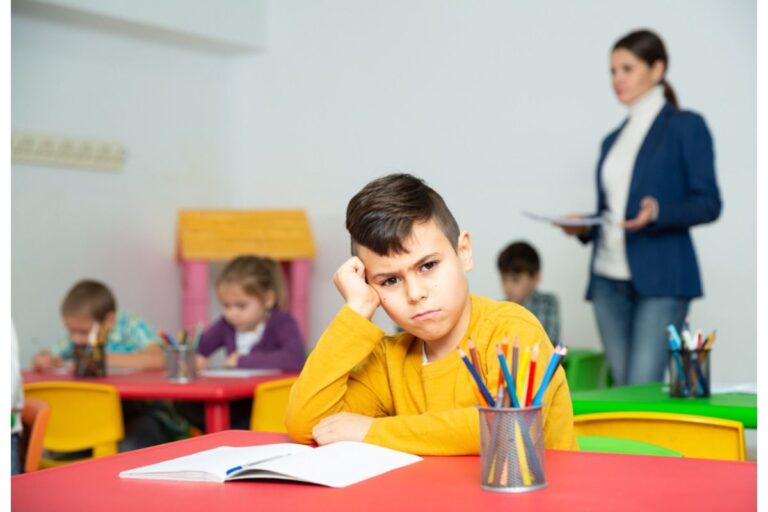
Parents often focus on whether the situation was handled justly. If a child feels wrongly blamed, being told to apologize can feel like admitting fault. This can lead to frustration or resentment. Kids are sensitive to fairness. Even small moments can shape how they see right and wrong.
Schools May Be Trying to De-Escalate Quickly
In busy classrooms or group settings, adults sometimes aim to resolve conflicts fast. Asking both sides to apologize can seem like a simple solution. It helps move the group forward. But speed can come at the cost of accuracy. Not every situation fits a one-size approach.
Kids Receive Mixed Messages About Honesty
Children are often taught to tell the truth, but being told to apologize anyway can feel contradictory. They may wonder whether being honest matters in certain situations. This can blur the line between accountability and compliance. Clarity becomes important. Consistency helps build trust.
Conflict Resolution Skills Are Still Developing
Children don’t always have the language or confidence to explain their side clearly. Adults may step in to close the situation instead of fully unpacking it. This can miss an opportunity to teach problem-solving skills. Learning how to express and listen takes time. These moments can be valuable teaching points.
Emotional Impact Can Linger
Even if the issue seems small, a child who feels misunderstood may carry that feeling beyond the moment. It can affect how they participate or speak up later. Feeling unheard matters. Emotional responses don’t always disappear quickly. Trust can be affected.
Communication With Parents Matters
When situations like this happen, parents often want to understand what led to the decision. A quick explanation can provide context. Without it, assumptions fill the gap. Open communication helps align expectations. It reduces tension between home and school.
Alternatives to Forced Apologies Are Being Discussed
Some suggest encouraging children to express how they feel instead of giving automatic apologies. Others focus on resolving the issue through discussion rather than assigning blame. This approach emphasizes understanding over quick closure. It takes more time but can be more meaningful. Solutions become more thoughtful.
Balancing Harmony and Accountability Is Challenging
Maintaining peace in group settings is important, but so is ensuring fairness. Striking that balance isn’t always easy. Each situation can be different. Adults often have to make quick decisions. The challenge is finding an approach that feels both fair and constructive.
A Broader Conversation About Teaching Values
Situations like this are leading parents to think about what children are learning beyond academics, how to handle conflict, take responsibility, and stand by the truth. These lessons shape behavior long-term. The discussion goes beyond one incident. It reflects larger expectations.
As more parents reflect on moments like this, the focus is shifting toward how children can be guided through conflict in a way that supports honesty, fairness, and real understanding, rather than just ending the situation quickly.