A Mom Says Her Child Came Home Upset After Being Labeled “Too Sensitive” in Class, and Now She’s Demanding Answers

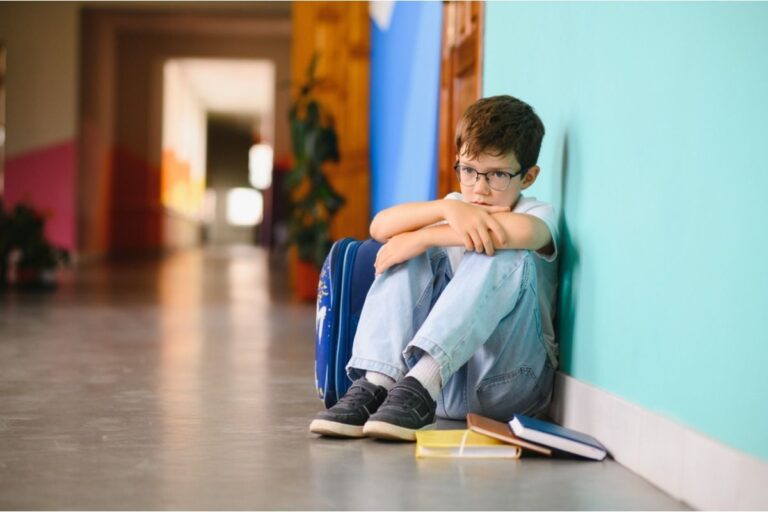
A mom says her child came home upset after being labeled “too sensitive” in class, and it’s raising questions about how emotions are handled in school environments.
Labels Can Have a Lasting Impact
When a child is described as “too sensitive,” it can feel like a judgment rather than feedback. Kids may internalize the label and start seeing their emotions as a problem. This can affect confidence and self-expression. Words used in class carry weight. Even a brief comment can stick.
Emotional Expression Is Part of Development
Children process experiences differently, and sensitivity can be part of how they understand the world. Reacting strongly doesn’t always mean something is wrong. It can reflect empathy, awareness, or personality. Managing emotions is a skill that develops over time. Support matters more than labeling.
Context of the Situation Matters
What led to the comment is important, whether it was said during a conflict, a lesson, or in front of peers. Public comments can feel more intense for a child. Without context, a label can feel unfair. Understanding the full situation helps clarify intent. Details shape how it’s perceived.
Kids May Feel Singled Out
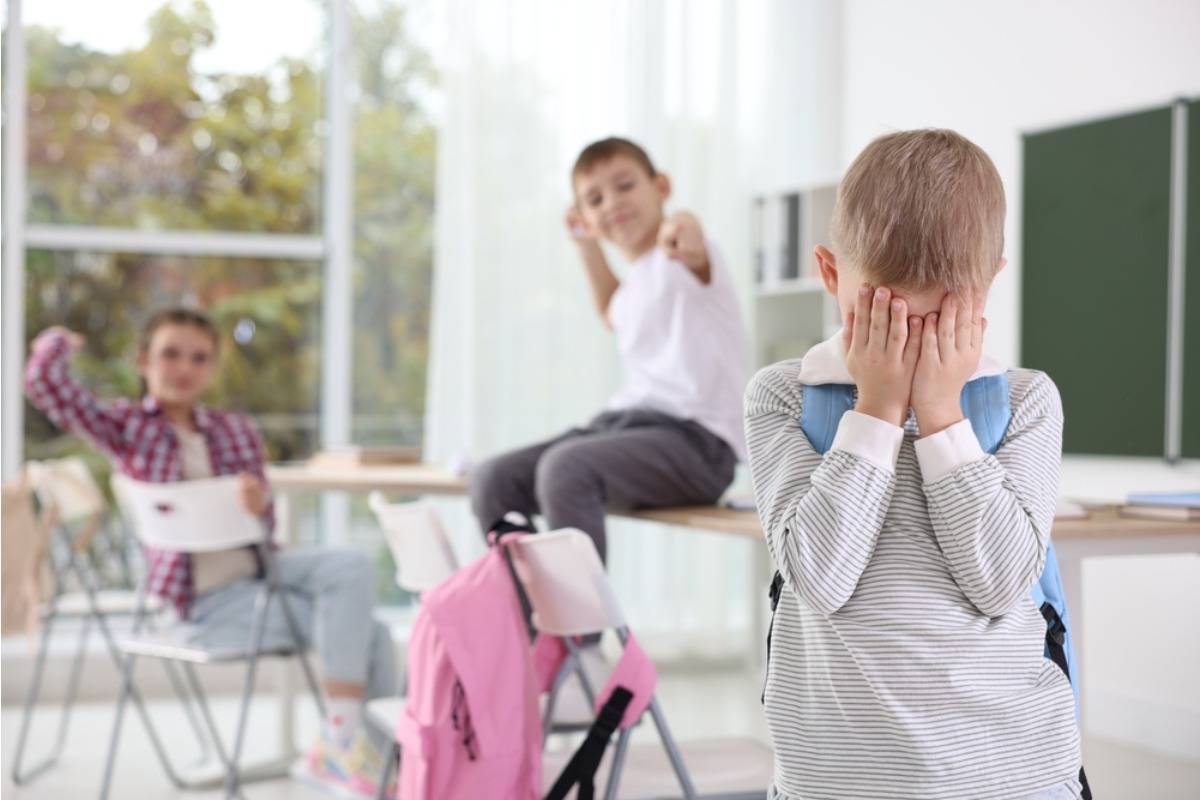
Being identified in front of classmates can make a child feel exposed or embarrassed. It may discourage them from participating in the future. They might hold back their thoughts or feelings. Classroom environment plays a role in how safe they feel. Inclusion and respect are important.
Parents Want Clear Communication
When something affects a child emotionally, parents often want to hear directly from the teacher. They look for explanation, not just the outcome. Clear communication helps avoid assumptions. It also helps align expectations. Silence can increase concern.
Teachers May Be Trying to Address Behavior
In some cases, teachers use language like this to encourage resilience or help manage classroom dynamics. The intention may be to guide behavior, not criticize personality. However, wording can make a difference. How feedback is delivered matters. Impact can differ from intent.
Emotional Support in Classrooms Is Being Discussed More
Situations like this are part of a broader conversation about how schools handle emotions. Many families expect a balance between discipline and emotional understanding. The way children are guided matters. Schools are adapting to these expectations. Awareness is growing.
Children Need Tools, Not Labels
Instead of being labeled, kids benefit from learning how to manage emotions, like calming strategies or communication skills. This approach builds confidence. It focuses on growth rather than judgment. Guidance becomes constructive. Development is supported.
Follow-Up Conversations Can Help
When parents and teachers talk openly, it often leads to better understanding. The child’s perspective can also be included. This helps address the issue without escalation. Solutions become clearer. Collaboration improves outcomes.
A Sensitive Issue for Many Families
Emotional labeling touches on how children see themselves and how they’re treated in school. It’s not just about one comment, it’s about the broader approach to emotional development. Families are paying closer attention to this. The conversation is ongoing.
As parents raise concerns about situations like this, the focus is shifting toward how children’s emotions are acknowledged and supported in classrooms, without reducing them to labels that may affect them long after the moment has passed.