A Teacher Says Group Work Has Turned Into One Student Doing Everything While Others “Don’t Even Try Anymore”

A teacher says group work has increasingly become uneven, with one student often doing most of the task while others disengage, and it’s starting to affect both learning outcomes and classroom dynamics.
Uneven Participation Is Becoming More Common
In many group assignments, responsibility doesn’t always get shared equally. One or two students may take charge while others contribute very little. This creates imbalance in effort. The workload becomes concentrated. Learning opportunities become uneven.
Stronger Students Often Take Over
Some students step in quickly to complete tasks because they want good results or feel pressure to keep the group on track. While this ensures the assignment gets done, it reduces shared participation. Others become passive over time. Responsibility shifts naturally to the most active student. Effort becomes centralized.
Disengagement Can Become a Habit
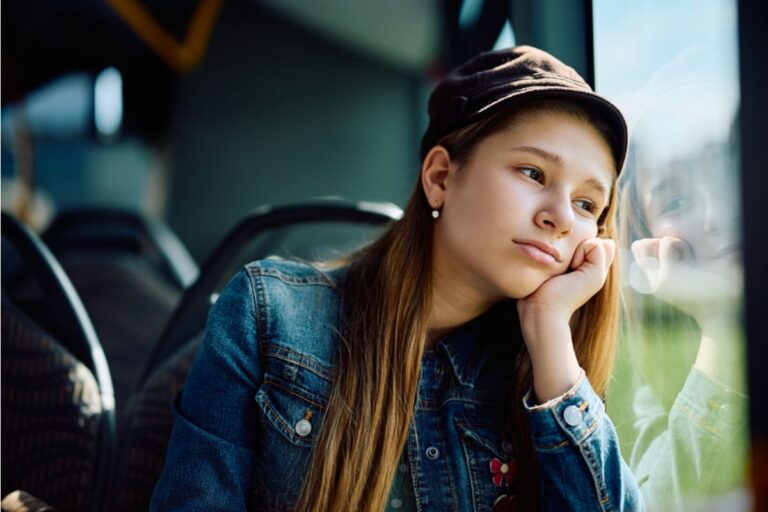
When students realize others will complete the work, they may stop trying altogether. This creates a cycle of dependency within the group. Less effort leads to even less involvement. Motivation decreases gradually. Participation becomes inconsistent.
Fairness Becomes a Classroom Concern
Teachers often struggle to assess individual understanding in group settings. It becomes difficult to know who actually learned the material. Students who do more work may feel it is unfair. Group grades can add to frustration. Accountability becomes harder to manage.
Group Work Was Meant to Build Collaboration
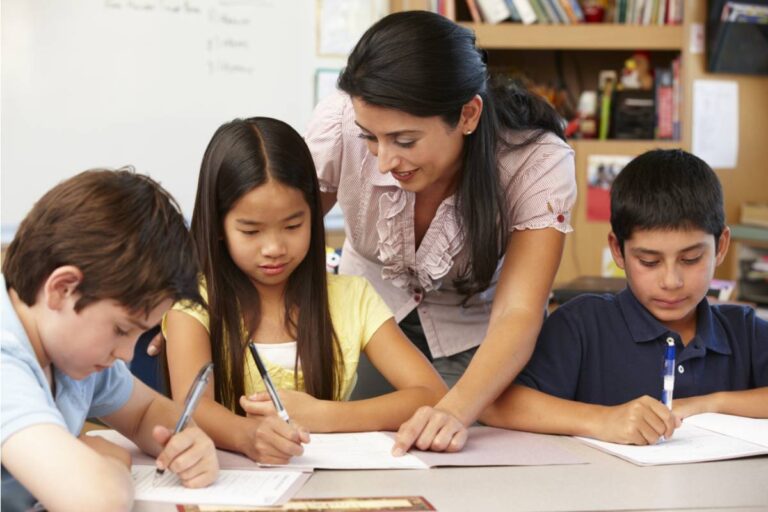
The original goal of group assignments is to teach teamwork, communication, and shared responsibility. However, when roles become unbalanced, that purpose is weakened. Instead of collaboration, it turns into division of effort. The learning experience changes. Outcomes are less equal.
Confidence and Pressure Affect Participation
Some students avoid contributing due to lack of confidence or fear of making mistakes. Others feel pressured to keep everything correct. This dynamic increases imbalance. Silence is sometimes mistaken for agreement. Internal hesitation plays a role.
Teachers Try Different Strategies to Fix It
Educators often assign roles, rotate responsibilities, or include peer evaluations to encourage fairness. These methods aim to increase accountability. Results vary depending on the class. Some groups adapt better than others. Structure helps but doesn’t solve everything.
Group Size Can Make a Difference
Larger groups tend to increase the chance of uneven participation. Smaller groups often make it easier for everyone to contribute. Individual responsibility becomes clearer in smaller settings. Interaction is more direct. Size influences engagement.
Assessment Challenges Remain
It is difficult to fairly grade group work when contributions differ. Teachers may rely on observation or individual follow-ups. However, this adds complexity to evaluation. Measuring effort is not always straightforward. Academic fairness becomes harder to ensure.
A Wider Shift in Classroom Engagement
This issue reflects broader changes in how students interact with collaborative tasks. Motivation, confidence, and workload distribution all play a role. Group work remains valuable but increasingly challenging to manage. Teachers are adjusting expectations accordingly.
As group assignments continue to evolve in classrooms, many educators are rethinking how to balance collaboration with individual accountability, ensuring that learning doesn’t depend on just one student carrying the entire effort.