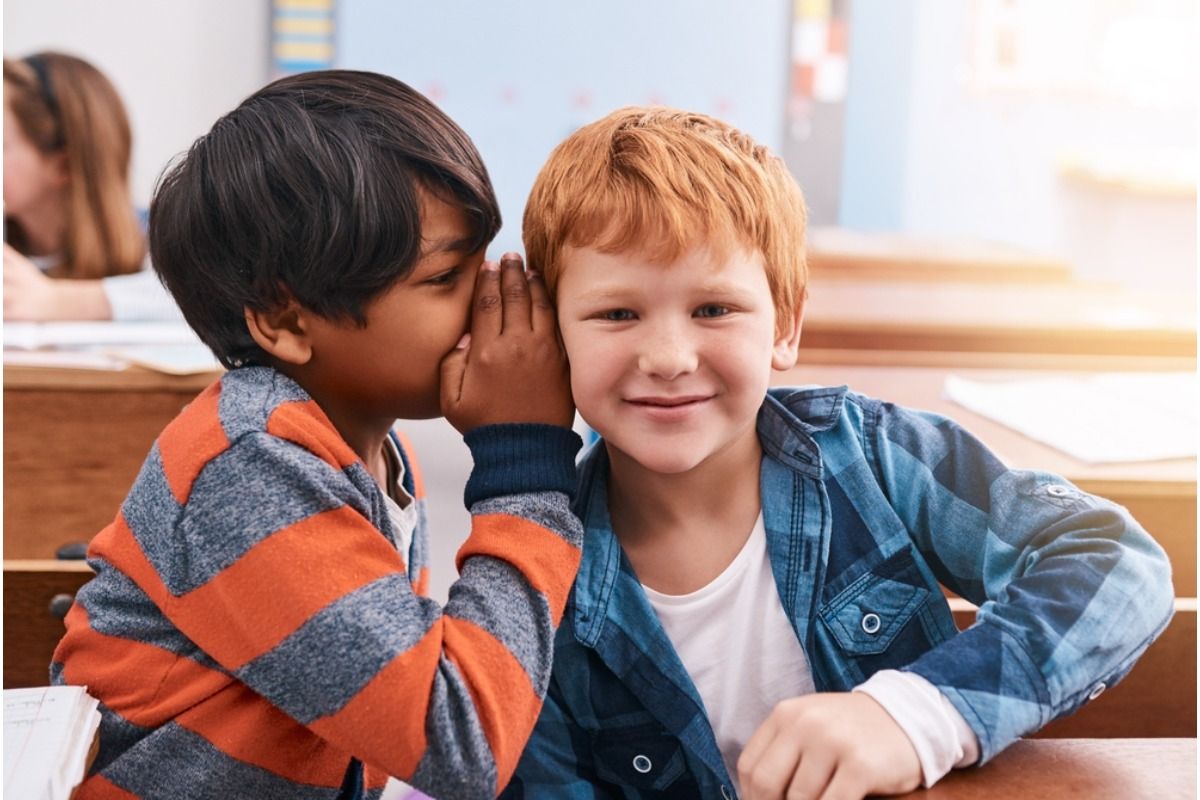
A Parent Says Their Child Was Encouraged to Keep a Secret “For Fun,” and It’s Raised Bigger Concerns at Home

A parent says their child was encouraged to keep a secret “for fun,” and it’s raised bigger concerns at home about boundaries, trust, and how children are guided by adults.
“Secrets” Can Blur Important Boundaries
Even when framed as playful, asking a child to keep something from their parents can feel inappropriate. Many families draw a clear line between harmless surprises and ongoing secrecy. That distinction matters. It affects how children understand trust. Language shapes behavior.
Children May Not Recognize the Difference
Kids don’t always know when a “secret” is harmless and when it’s not. If they’re told to keep something quiet, they may assume it’s expected in other situations too. This can create confusion. Their judgment is still developing. Clear guidance is essential.
Parents Focus on Safety First
For many parents, any encouragement of secrecy raises immediate concern. They want children to feel comfortable sharing everything important. Openness is seen as a safety tool. Even small incidents can trigger bigger worries. Protection becomes the priority.
Intent May Have Been Playful
The adult involved may have meant it as a lighthearted moment, like a surprise or a joke. However, what feels playful to one person can feel serious to another. The impact can outweigh the intent. Interpretation differs. Context matters.
Children Can Feel Conflicted
Being told to keep a secret can put children in an uncomfortable position. They may feel torn between following instructions and being honest at home. This creates internal pressure. Emotional confusion can build. They may hesitate to speak openly later.
Communication at Home Becomes Crucial
Parents often use situations like this to reinforce open communication with their child. Explaining the difference between safe surprises and unsafe secrets helps clarify expectations. These conversations build trust. Clarity reduces confusion. Guidance strengthens awareness.
Trust Between Adults Can Be Affected
When one adult introduces secrecy, it can impact how parents view that person moving forward. Even if unintended, it can feel like a boundary was crossed. Trust depends on shared expectations. Misalignment creates tension. Relationships may shift.
Setting Clear Expectations for the Future
After incidents like this, parents may communicate more directly with other adults about what is and isn’t acceptable. Clear boundaries help prevent repeat situations. Expectations become more explicit. Prevention is prioritized. Consistency matters.
Not All “Secrets” Are the Same
Some families distinguish between short-term surprises (like gifts) and ongoing secrets that exclude parents. Teaching this difference helps children navigate situations better. Understanding categories reduces confusion. Language becomes more precise. Clarity supports safety.
A Broader Conversation About Transparency
This situation reflects a wider concern among parents about maintaining openness in children’s environments. There is growing awareness about how even small messages can influence behavior. Transparency is becoming a key value. Boundaries are being emphasized more.
As more parents raise concerns about situations like this, the focus is shifting toward clearer communication and stronger boundaries, so children learn that honesty and openness at home should always come first over being asked to keep secrets.