A Dad Says His Child Was Left Out of a Plan Everyone Else Knew About, and Now He Feels Something Was Hidden

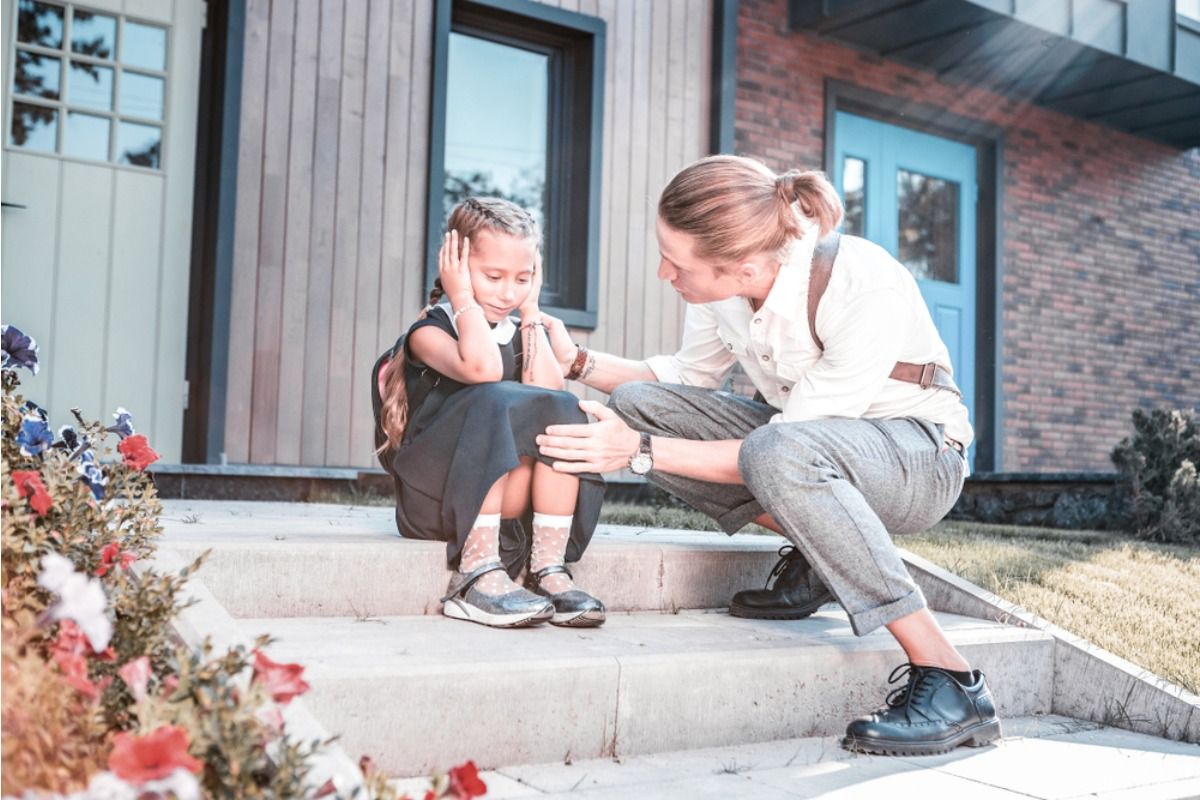
A dad says his child was left out of a plan that everyone else seemed to know about, and now he feels like something may have been intentionally hidden or poorly communicated.
Feeling Left Out Quickly Turns Into Concern
When a child learns they were not included in a group plan, it can immediately feel personal. Parents often react strongly because they’re trying to understand whether it was accidental or deliberate. Even small exclusions can raise big questions. The lack of clarity creates unease. Uncertainty drives concern.
Communication Gaps Are Often the Real Issue
In many cases, situations like this come down to poor communication rather than intentional exclusion. Messages may have been shared in group chats, informal conversations, or among certain kids only. If one person misses the update, they can be unintentionally left out. Information flow is not always consistent. Gaps create confusion.
Children Experience Exclusion Differently
For a child, not being included can feel more emotional than it may appear to adults. They may not know why they were left out or whether it was deliberate. This can affect confidence and trust in peers. Even unintentional exclusion feels real. Social awareness is still developing.
Parents Fill in Missing Details
When information is incomplete, parents naturally try to interpret what happened. Without clear facts, assumptions can form quickly. This can increase emotional reaction. The mind looks for patterns or intent. Clarity is often missing at first.
Group Dynamics Can Be Unstructured
Children’s plans are often informal and change quickly. Not every update reaches every child or parent. Decisions may be made last minute. This creates uneven awareness. Structure is often weaker than expected.
Perception of Intent Makes It Sensitive
If a parent suspects something was intentionally hidden, the situation feels more serious. Intent changes how events are interpreted. Even if it was accidental, perception can still create tension. Trust depends on interpretation. Feelings become central.
Communication With Other Parents Helps
A calm conversation with other parents or organizers can often clarify what actually happened. Many misunderstandings are resolved this way. It helps separate fact from assumption. Direct questions reduce uncertainty. Dialogue restores balance.
Children May Need Reassurance
Regardless of intent, the child may need reassurance that they are not being excluded intentionally. Emotional support helps reduce hurt feelings. Explaining that plans can be disorganized sometimes is important. Context helps them understand. Support rebuilds confidence.
Informal Plans Need Clearer Sharing
As children grow more socially active, informal group planning becomes more common. Without clear communication channels, mistakes happen easily. Better coordination can reduce these situations. Small systems improve inclusion. Awareness prevents confusion.
A Common Social Experience
This kind of situation is relatively common in group settings where communication is inconsistent. It often reflects oversight rather than exclusion. Still, the emotional impact is real. Inclusion matters deeply to children. Social belonging is sensitive.
As more parents encounter situations like this, the focus is shifting toward improving communication in children’s social groups, so that no child is unintentionally left out and misunderstandings don’t turn into concerns about intent.