Is your child being bullied at school? 6 signs every parent should know

As parents, we often want to believe that our children are safe and happy at school. However, bullying can be a hidden issue that affects many kids, and it’s crucial for parents to recognize the signs. Understanding these indicators can empower you to take action if your child is facing challenges in their social environment. Here are six signs that may suggest your child is being bullied.
Changes in Behavior
One of the most telling signs that your child may be experiencing bullying is a noticeable change in their behavior. If your once outgoing child suddenly becomes withdrawn, anxious, or irritable, it may be worth investigating further. These behavioral shifts can be a response to the stress and fear that bullying often brings. Pay attention to any sudden reluctance to go to school or participate in activities they once enjoyed.
Physical Symptoms
Bullying can manifest physically as well. If your child frequently complains of headaches, stomachaches, or other unexplained physical ailments, it could be a sign of emotional distress related to bullying. Additionally, look for any signs of injuries, such as bruises or scratches, which may indicate that your child is being physically bullied. It’s important to approach these symptoms with care and concern, rather than jumping to conclusions.
Changes in Academic Performance
A decline in academic performance can also be a red flag. If your child’s grades drop unexpectedly or they express a lack of interest in schoolwork, it may be due to the emotional toll of bullying. Children who are bullied often struggle to concentrate, leading to difficulties in their studies. Keep an open line of communication with your child about their school experience and academic challenges.
Social Isolation
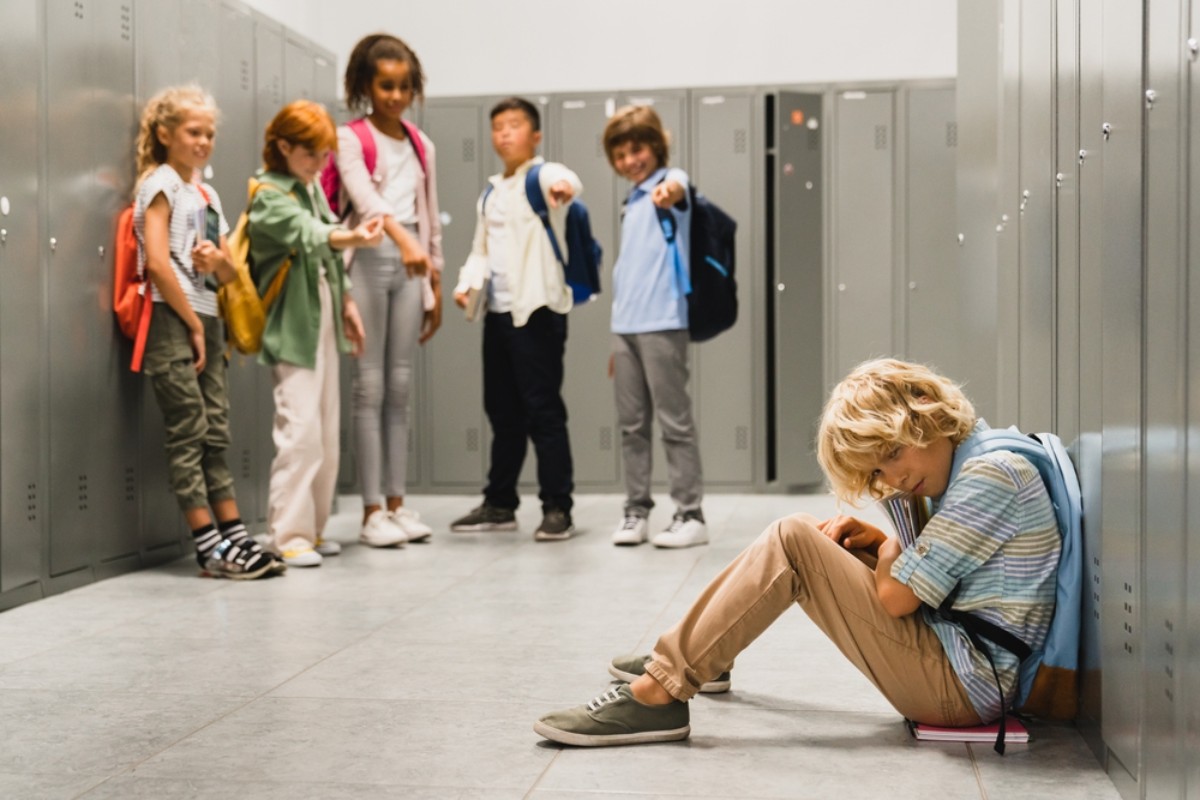
Another significant sign of bullying is social isolation. If your child is spending more time alone or has lost interest in friendships, it might indicate that they are being bullied by peers. Sometimes, children who are bullied may find it challenging to connect with others, leading to feelings of loneliness. Encourage your child to talk about their friendships and social interactions, and be attentive to any changes in their social circles.
Reluctance to Share
If your child becomes secretive or reluctant to share details about their day, it might be a sign that something is wrong. Children who are being bullied may feel ashamed or fearful, leading them to hide their experiences. Creating a safe and supportive environment where your child feels comfortable sharing their feelings can help them open up. Approach the conversation with empathy and understanding, allowing them to express themselves without fear of judgment.
Emotional Distress
Finally, emotional distress is a critical indicator of bullying. If your child frequently expresses feelings of sadness, hopelessness, or anxiety, it’s essential to take these feelings seriously. Look for signs of depression or changes in their mood, as these can be linked to bullying experiences. Providing emotional support and seeking professional help if necessary can make a significant difference in your child’s well-being.
Recognizing the signs of bullying is the first step in addressing the issue and supporting your child. If you suspect that your child is being bullied, it’s important to take action. Open communication, empathy, and a willingness to listen can help your child feel safe and supported. Additionally, collaborating with teachers and school staff can create a more positive environment for your child and help address any bullying incidents effectively. Remember, you are not alone in this journey, and there are resources available to help you and your child navigate these challenges.