A Coach Says Parents Are Getting Involved Mid-Game More Than Ever, and It’s Affecting How Kids Play

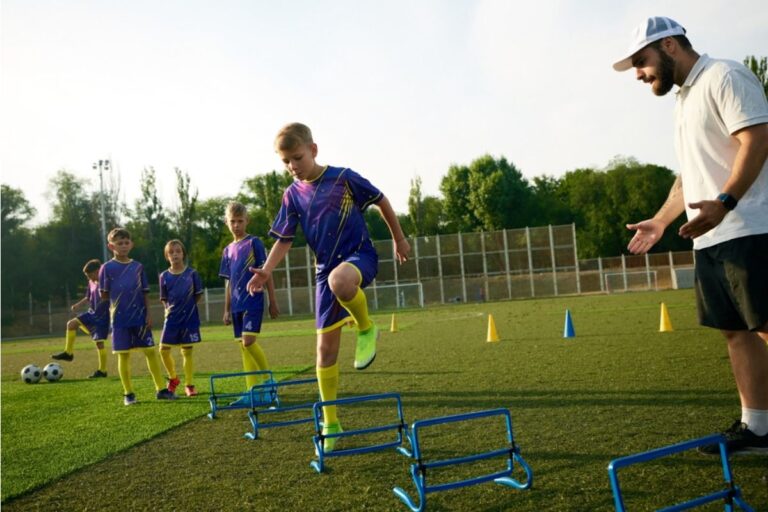
A coach says parents are getting involved during games more than ever, and it’s starting to affect how kids play and how the overall team environment feels.
Real-Time Pressure Is Increasing
When parents shout instructions or react strongly during matches, children often feel extra pressure while playing. Instead of focusing on the game, they become aware of watching adults. This can disrupt concentration. Performance becomes less natural. Attention gets divided.
Kids Start Playing More Nervously
Some players begin to hesitate because they’re unsure whose guidance to follow, the coach or their parents. This can lead to overthinking simple decisions. Mistakes feel more stressful. Confidence can drop during play. Natural flow is reduced.
Coaching Authority Can Be Blurred
When multiple voices give instructions, it becomes harder for children to understand structured coaching. The coach’s plan may get diluted by outside input. This creates confusion on the field. Clear direction becomes harder to maintain. Consistency is affected.
Emotional Reactions Spill Into the Game
Excited or frustrated reactions from the sidelines can influence how children feel mid-game. Even positive encouragement can become overwhelming in some cases. Emotional energy spreads quickly. Players react to the atmosphere. The game becomes more emotionally charged.
Focus Shifts From Learning to Performance
Instead of treating the game as a learning experience, kids may start feeling like they are being constantly judged. This changes how they approach mistakes. Fear of criticism increases. Growth can slow down. Pressure replaces development.
Team Dynamics Can Be Affected
Different parents supporting different players can unintentionally create division. It may feel like individuals are being singled out. This can impact teamwork. Group unity becomes harder to maintain. The focus shifts away from collective play.
Coaches Are Trying to Set Boundaries
Many coaches are now asking for sideline guidelines or “quiet zones” during matches. The goal is to give players space to think and respond independently. Clear communication is becoming more important. Structure on the sidelines matters. Balance is needed.
Children Need Decision-Making Space
One key part of sports development is learning to make quick decisions under pressure. Constant external input can interrupt that process. Players benefit from figuring things out on their own. Independence builds skill. Experience matters more than instruction mid-game.
Some Parental Involvement Is Positive
Encouragement and support from parents can boost motivation when done appropriately. Positive cheering without directing play is generally helpful. The difference lies in control versus support. Tone and timing are important. Support should not override coaching.
A Broader Conversation About Youth Sports Culture
This trend reflects a wider discussion about how competitive youth sports have become. As expectations rise, emotional involvement from adults also increases. Finding balance between support and pressure is becoming more important. The focus is shifting back to player development. Environment shapes experience.
As more coaches report increased sideline involvement, the conversation is turning toward creating healthier boundaries, so children can learn, play, and grow without excessive pressure during the game itself.